
The Abridged version:
West Sacramento has launched its new Public Art Strategic Plan.
Officials hope to gauge resident interest in new art and identify potential funding sources for projects.
The effort will kick off with a survey and a public listening session on Monday at City Hall.
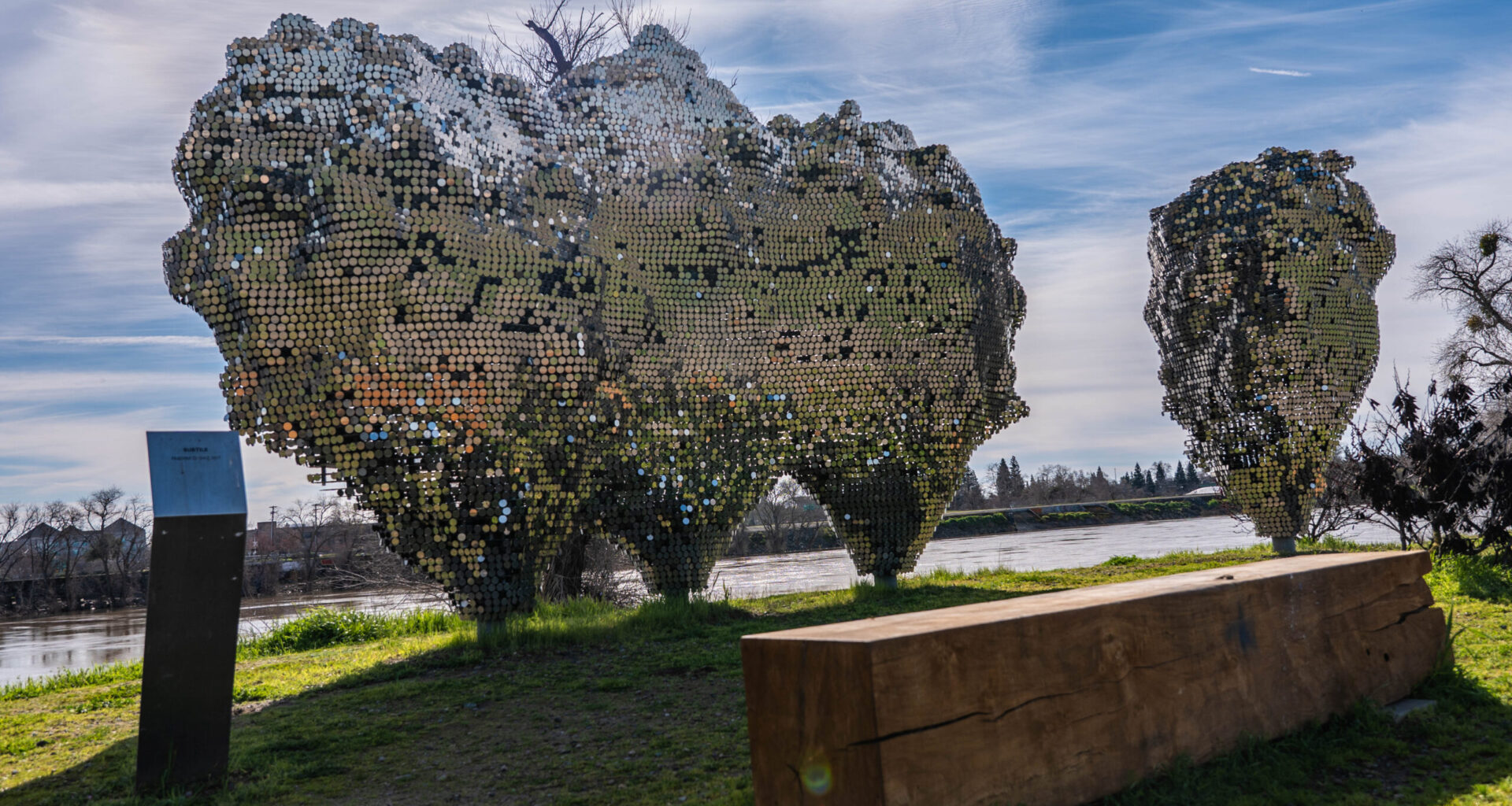
Decades of development in West Sacramento have added dozens of blank walls, empty open spaces, sidewalks, bike paths and obsolete infrastructure to the city’s hubs.
As they are, these places don’t often grab a second glance. But now, city officials hope a little bit of imagination, along with some money, can transform them into unique destinations worthy of a stop.
To do so, West Sacramento is launching its new Public Art Strategic Plan with the goal of expanding its stock of murals, sculptures, interpretive spaces and the like in publicly accessible places. The plan will begin by gathering input through an online survey and public input sessions, the first of which is on Monday.
Sign Up for the Yolo County Newsletter
Stay in-the-know on all things Yolo! Weekly email with stories and insights from Yolo County reporter Daniel Hennessy.
Public art in West Sacramento
Although this is a new initiative, it’s not the first time West Sacramento has identified public art as a priority.
When the riverfront was being developed in the late 90s and early 2000s, a handful of public art projects were created, including the painting and beautification of the river walk water and communication towers. Over the last couple of decades, places like the Bridge District, also on the river, put a variety of sculptures and murals in public places as part of development plans.
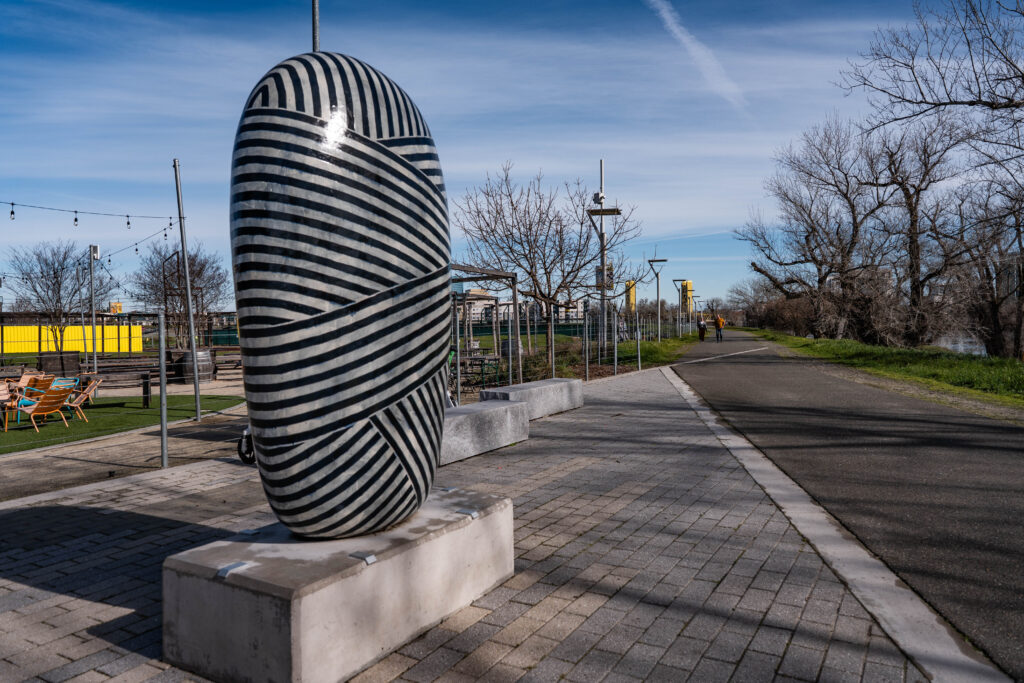 Jun Kaneko’s 1994 sculpture “Dango” on the River Walk in West Sacramento. (Shelley Ho)
To add structure to the city’s efforts, officials established an Arts, Culture and Historic Preservation Commission in 2003 with the charge of guiding West Sacramento’s cultural enrichment.
The commission worked to build an inventory of the city’s already existing public art and drafted a “Public Art Strategy” with higher level goals for designing, developing, funding and carrying out projects.
But Doug Drozd, deputy city manager for West Sacramento, said the original strategy, which was developed in 2007, didn’t establish a framework for funding projects without outside assistance.
“For the most part, that public art strategy, that’s now almost 20 years old, didn’t really lay out a sustainable, long-term funding source or guidelines around where our priorities were for public art,” he said.
The plan dedicated 1% of the municipal projects’ budget to a public art fund, but Drozd said that amount has not been adequate to fund projects proactively. As a result, the city has had to rely on outside sources for money, including private donations and grants.
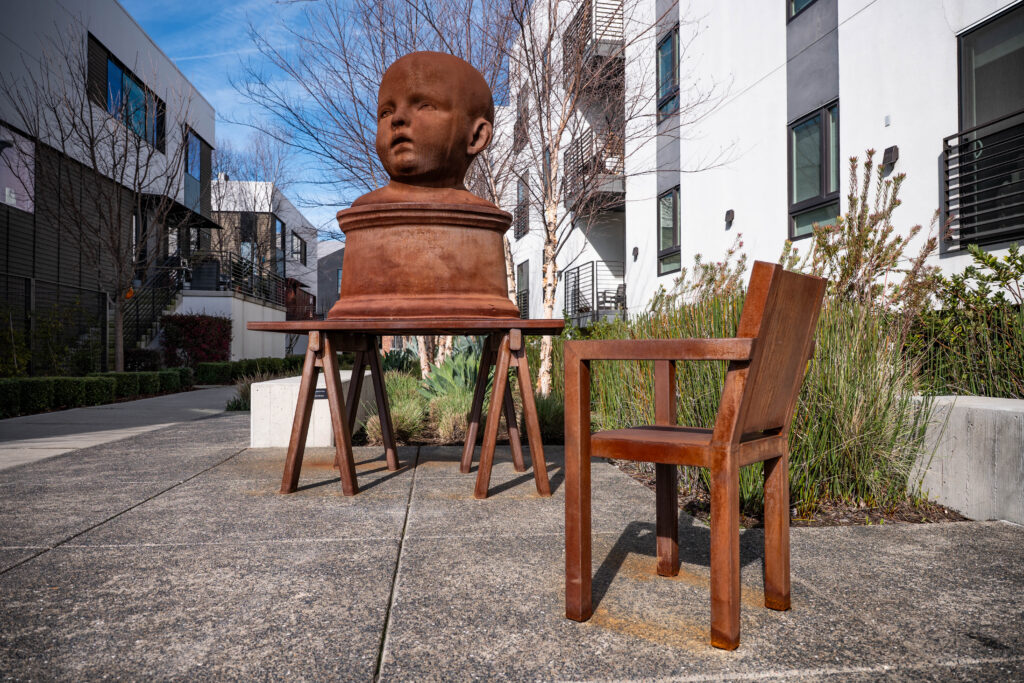 Michael Bishop’s 2001 sculpture “Waiting for Titus” on display in The Bridge District in West Sacramento. (Shelley Ho)
A new strategy
This new effort is an attempt to identify more reliable sources of funding, gauge the public’s interest in spending money on art and come up with a way to prioritize what kinds to install.
So far, no decisions have been made about what funding strategies to pursue.
“We really just want to evaluate the options that are out there and see what might work for us,” Drozd said.
The effort is still in its very early stages, and Drozd said feedback from the public will inform the city’s strategy on public art in the future.
The first input session will be Monday at 6:30 p.m. at City Hall (1110 W. Capitol Avenue).
Daniel Hennessy joins Abridged from the California Local News Fellowship. He’s a reporter covering Yolo County.
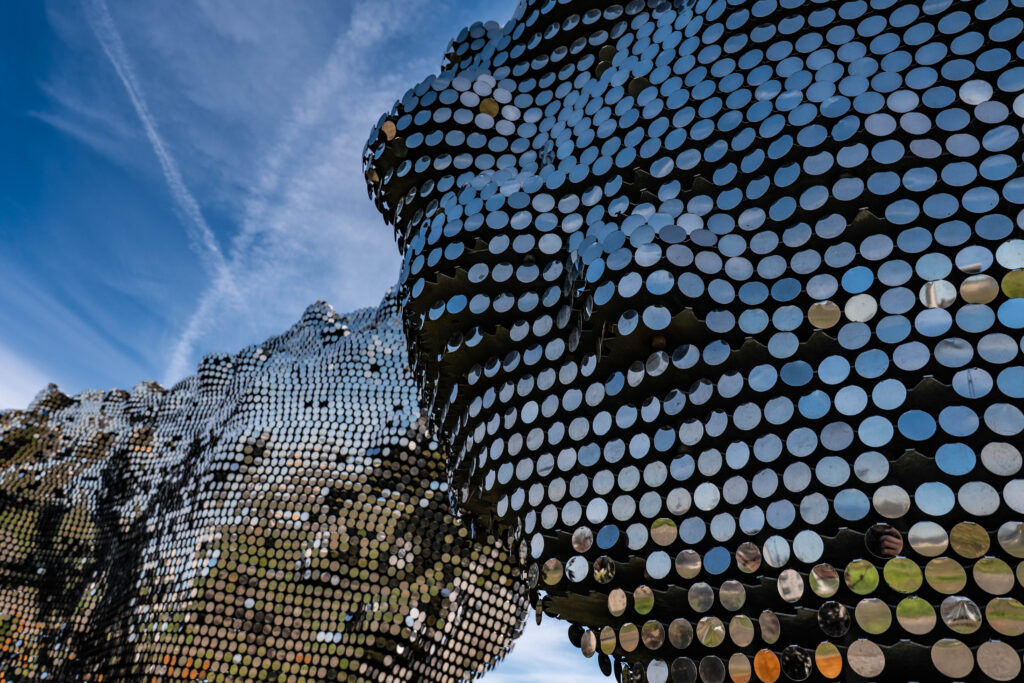 Federico Diaz’s 2017 sculpture “Subtile” is located on the River Walk in West Sacramento. (Shelley Ho)
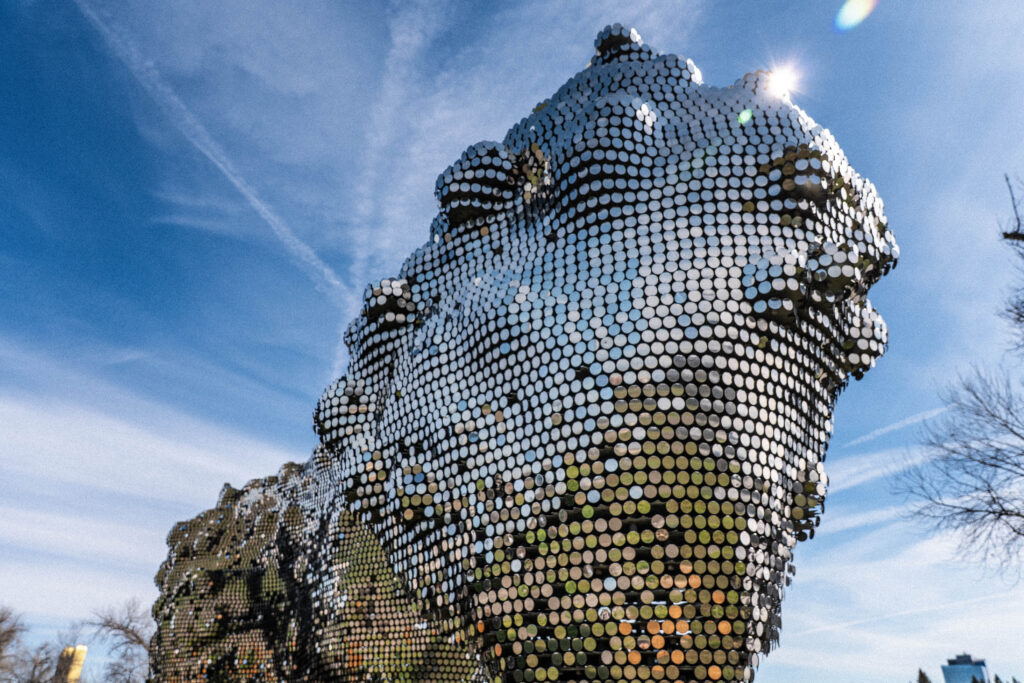 Federico Diaz’s 2017 sculpture “Subtile” is located on the River Walk in West Sacramento. (Shelley Ho)