

A stray dog looks around in Matheny Tract.
ERIC PAUL ZAMORA
ezamora@fresnobee.com
A new bill introduced by a Fresno-area state lawmaker aims to expand access to spay and neuter services to combat a stray pet overpopulation crisis that has overwhelmed local vet shelters.
The proposal by Assemblymember Esmeralda Soria (D-Merced), AB 2010, would increase the availability of high-quality, high-volume sterilization procedures statewide. It would also authorize the use of Mobile Animal Sterilization Hospital (MASH) clinics, allowing traveling surgical units to operate in underserved areas where such services can be out of reach.
“This issue was always an issue that was important for me because I served in local government in the city of Fresno, and as a local municipality, we struggled with maintaining our pet population and making sure that we had the ability to provide services to mitigate that,” Soria said.
Before joining the Legislature, Soria served on the Fresno City Council and said conversations with mayors and councilmembers across her Central Valley district have reinforced the urgency of the issue.
“Many of these communities don’t have the ability to fund Animal Control, or have ability to fund out of their general fund, Animal Control Services, if it is spay and neuter services, which we know have proven effective to be able to contain population levels,” she said.
Across California, rising veterinary costs and a workforce shortage have also limited the number of sterilization surgeries that can be performed. While more advanced and efficient techniques exist, current state law restricts how some of those procedures can be delivered.
AB 2010 seeks to remove what its supporters describe as unnecessary regulatory barriers. The bill would clarify that veterinary premises primarily providing high-quality, high-volume spay and neuter services do not need a dedicated surgical suite for those procedures, while maintaining existing health and safety standards.
The measure would also authorize MASH clinics — mobile units capable of setting up temporary surgical sites in community buildings — to operate more broadly in California.
“This bill is not reinventing the wheel,” Soria said. “There’s already programs out there that have been proven to be effective, and so we’re not creating something new, but what we’re doing is giving the ability for these innovative ways to tackle the pet population in communities like mine.”
Soria, who has had her dog Buddy for nearly 12 years, said the issue is both personal and practical.
“None of us want to have shelters where they’re euthanizing these beautiful cats and dogs,” she said. “If we can do something to provide a quality spay and neuter in a different way, especially for rural communities that may not have access to a local veterinarian or access to affordable services, this piece of legislation can provide a glimmer of hope.”
Animal welfare groups have lined up in support of the bill. Brittany Benesi, senior director of state legislation for the American Society for the Prevention of Cruelty to Animals’ Western Division, said lack of affordable veterinary care is one of the top reasons owners surrender their pets. She praised Soria for introducing the measure during to “remove regulatory barriers and make high-quality, high-volume spay/neuter services more accessible to the pets who need it most.”
Dr. Jennifer Scarlett, CEO of the San Francisco SPCA, said mobile clinics could significantly increase the number of sterilization surgeries performed statewide, allowing more animals to be adopted and reducing euthanasia.
Each year, tens of thousands of healthy cats and dogs are euthanized in California shelters, largely because there are more animals than facilities can accommodate.
In rural districts with limited budgets and vast geographic spread, she added, local governments are often forced to prioritize public safety, parks and health care over animal control services.
“It is a state mandate that these local municipalities have in terms of providing Animal Control Services, but many of these communities are so, so poor. They have very small budgets,” Soria said. “And so my goal as a legislator has been to bridge that gap, bring those resources and think about innovative ways to be able to do more with our limited resources.”
The Fresno Bee
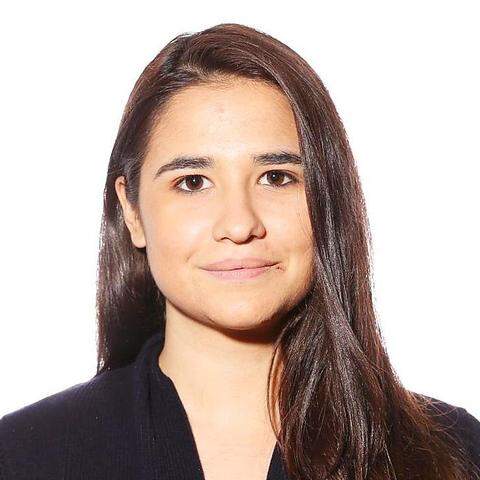
Marina Peña is the Latino communities reporter for The Bee. She earned a bachelor’s in Political Economy and another one in Journalism from the University of Southern California. She’s originally from Buenos Aires, Argentina, but grew up in Los Angeles.