
The Los Angeles Angels are one of the few teams in MLB that have yet to sort out their local broadcasts for the upcoming season.
The Angels are one of nine MLB teams that were signed to Main Street Sports Group, owner of the FanDuel Sports Networks, prior to this season. Last month, it became apparent that Main Street would likely wind down operations following the conclusion of the current NBA and NHL regular seasons, leaving all nine MLB clubs scrambling.
Most of those teams have opted to simply join the league’s media outfit. MLB produces and distributes games via traditional linear platforms and streaming, and the teams earn money based off subscriptions and ad revenue.
The Angels are taking a different approach, reportedly considering launching their own regional sports network in the hopes that it can generate more revenue than the league-affiliated route. So far, the team has yet to finalize its TV plans for the upcoming season. The only certainty is that Angels games will be available to purchase via MLB’s direct-to-consumer platform.
As for cable and satellite options, those remain up in the air. The uncertainty has resulted in Angels fans not being able to watch the team’s spring training games.
Just like many other teams, the Angels have been dealt a series of blows from a revenue perspective with regards to local broadcasting. What was once a lucrative economic model has now been gutted on account of cord-cutting consumers. Some teams have dealt with the changes better than others. But the Angels have undoubtedly let the declining revenue impact roster construction.
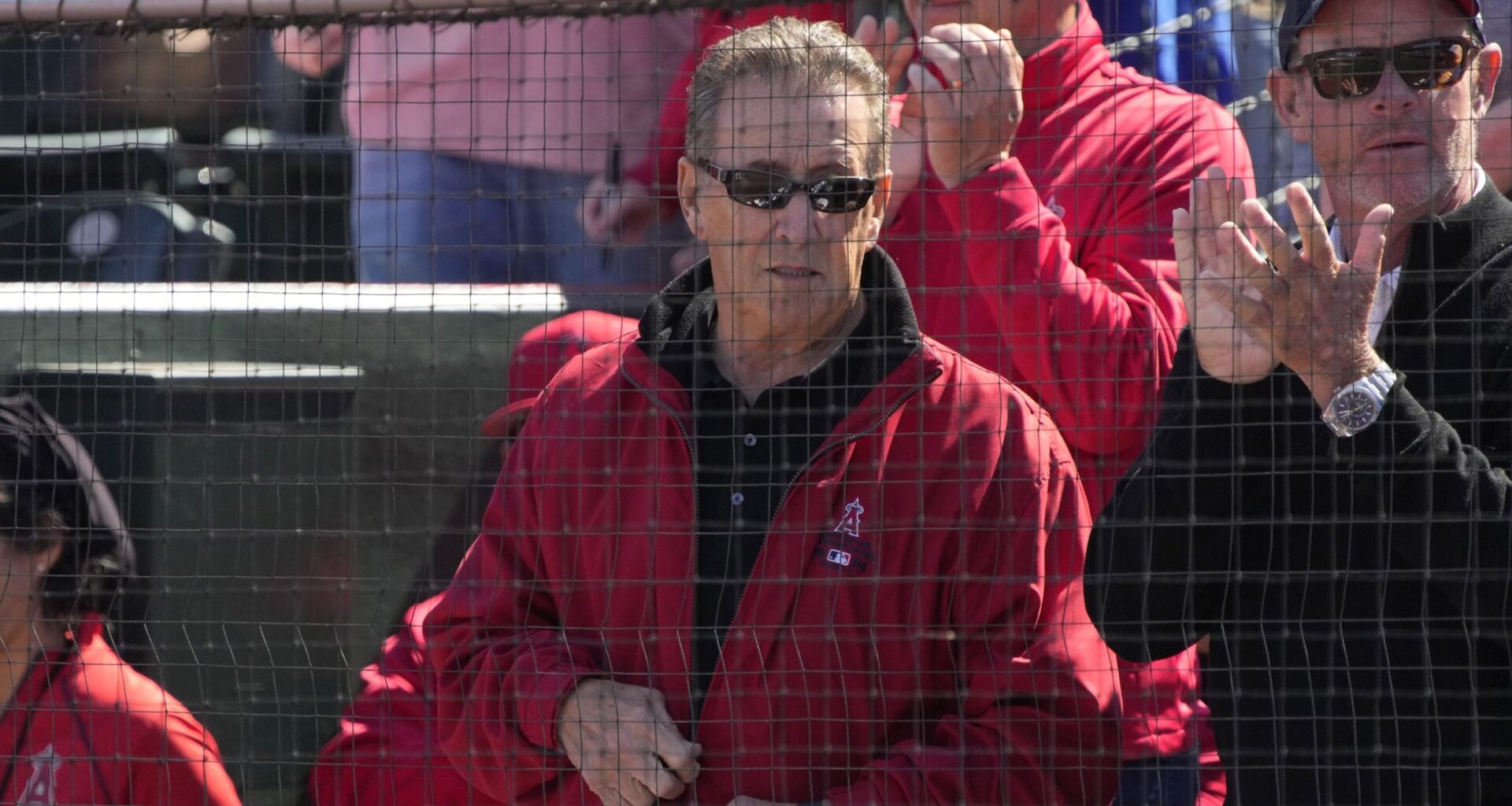
Owner Arte Moreno said as much, according to Jeff Fletcher of the Orange County Register.
“We’ve got to get our TV thing worked out and we just have to improve our brand,” Moreno said when asked about the team’s lagging payroll, noting it will “probably” get back to $200 million this year. “The question is do one or two players substantially change (the record)?” he said. “If you go out and spend $15 or $20 million a year times three or times five, it doesn’t get it done.”
In the same interview, Moreno downplayed the importance of fielding a winning baseball team. “The number one thing fans want is affordability,” Moreno said. “They want affordability. They want safety, and they want a good experience when they come to the ballpark. Believe it or not, winning is not in their top five.”
Most Angels fans would likely beg to differ.
Given that Moreno is looking towards a local broadcast model with potential to earn more revenue than what MLB is offering, it seems he is taking the Angels’ payroll problems at least somewhat seriously. Figuring out the details of that model, however, has been difficult.
“We’ll be on TV,” he said. “But put it this way, it hasn’t been easy,” adding that Angels fans should know where to get games this season in the next few days.
The Angels aren’t the only team dealing with declining TV revenues. Some our handling the reality of the situation better than others. Then there are teams like the cross-town Dodgers where money is no object because of a wildly lucrative (and antiquated) local rights deal signed in an era of booming cable revenues.
For fans, blaming a low payroll on TV revenue isn’t exactly a compelling argument. Fans are the ones bearing the increased cost of watching games, be that through rising cable or satellite bills, or the numerous streaming services required these days to watch sports.
They see fans are paying more, while their team is paying less, and the owner is de-emphasizing winning. Not exactly a great combo for retaining an already frustrated fanbase.