
By Carlos Ramirez |
@noechonet |
2.23.2026
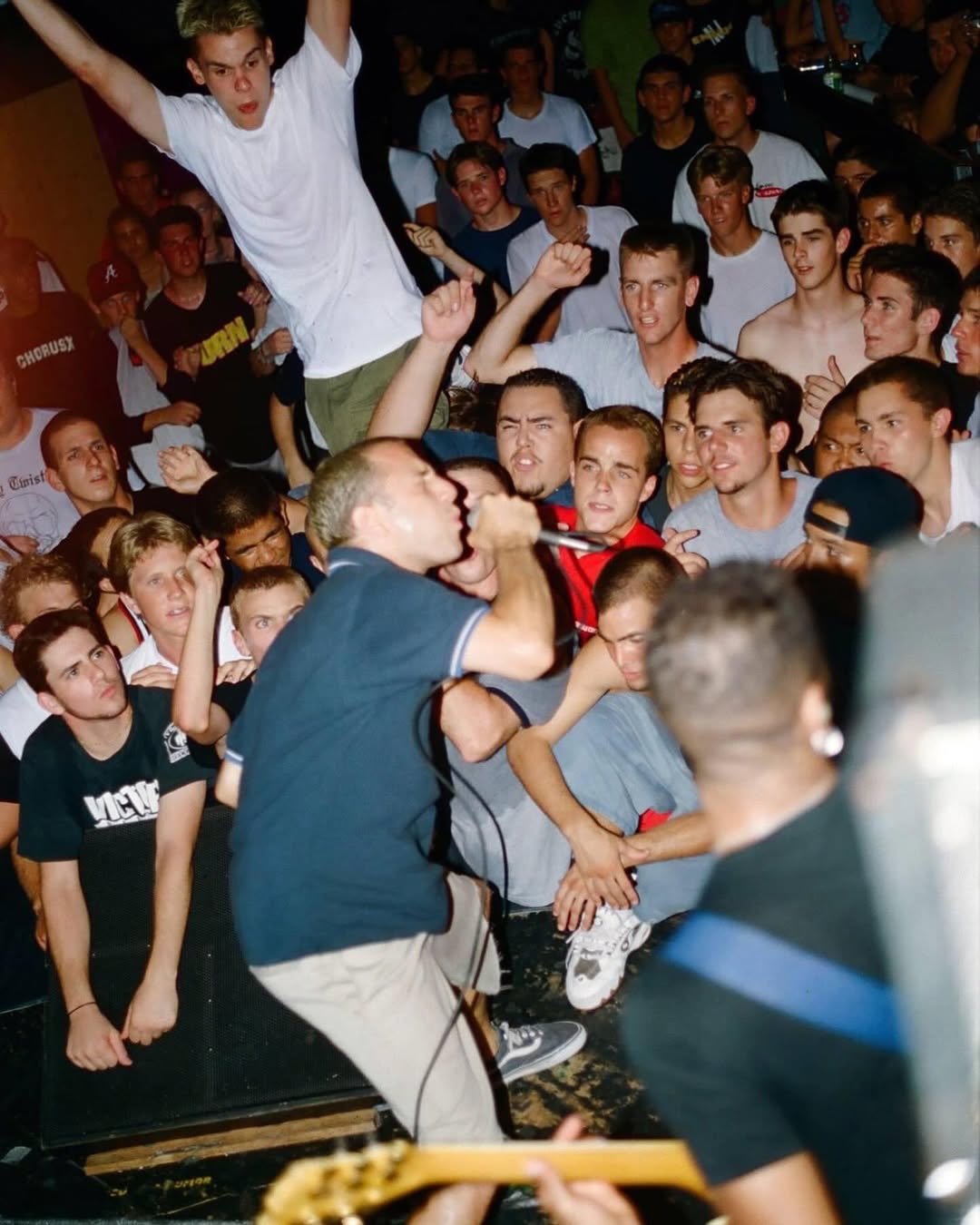
Better Than a Thousand @ Showcase Theatre, circa late ‘90s. (Photo: Fred Hammer)
For anyone who came up in Southern California hardcore in the ’90s and early 2000s, the Showcase Theatre wasn’t just a venue — it was a second home. Now, filmmaker Logan Patrick is making sure that the story doesn’t fade with time.
Patrick’s upcoming Showcase Theatre documentary traces the rise and impact of the Corona, California, all-ages institution through firsthand accounts, archival footage, and the voices of the people who built it from the inside out. What began as a passion project has grown into something much larger — a preservation effort for a space that shaped the lives of thousands.
Asked what made the Showcase so special to the hardcore scene, Patrick doesn’t hesitate.
“There are so many things that made the Showcase special, but if I had to name one, it would have to be the people,” he tells No Echo. “Every city and town across the world has its own version of a Showcase Theatre, that gathering place for young people outside of home and school. It might be a venue, a skate park, or someone’s kitchen. For us, it was the Showcase.”
Owned and operated by Ezzat Soliman, the Showcase was more than just a room with a stage; it was a refuge. “It was a release from the drudgery of our environment, a place to connect, especially for those of us who didn’t always have a positive experience at home or at school,” Patrick explains. “And the people who ran it always made you feel safe and welcome. From the minute you walked in, you just felt this warm, familial bond.”
Hardcore has always talked about community, but at the Showcase, Patrick says, it wasn’t just rhetoric. “There’s so much hardcore music about community and the bonds of friendship, and at the Showcase, you weren’t just listening to it. You were living it. You were part of it. And it needed you, too.”

Showcase Theatre owner Ezzat Soliman
“I really had no business taking on this project when I did,” he admits. “I was about six years into editing for a production company that was crumbling. I was dead broke… when I came across a page called ‘Showcase the Doc’ with a photo I immediately recognized as the Showcase. I was crestfallen. This was a project I had talked about doing for years, and it felt like someone had beaten me to it.”
When he reached out, he discovered the page’s creator didn’t actually have plans — or experience — to make a film. “In that moment, I could see the ball about to hit the ground, and I couldn’t let it drop,” Patrick says. “You have to understand that at this time I truly had nothing left to lose.”
What began as a straightforward attempt to document a legendary venue evolved into something far more emotional. As he interviewed bands, fans, and former staff, Patrick noticed something powerful.

Strife @ Showcase Theatre, 1995. (Photo: Zach Cordner)
“As I started connecting with bands, fans, and former staff, I saw this glow in them when they shared their stories,” he says. “There was a warmth and generosity in anyone connected to the Showcase that felt unmatched. What I thought would be a simple catalogue of cool show highlights turned out to be much deeper. It became a story about community, belonging, and the impact that place had on so many lives.”
The process wasn’t easy. Clearing music for the film proved especially daunting.
“Clearing music was, by far, the most challenging part of making this film,” Patrick explains. “In most cases, the bands and independent labels were incredibly supportive of anything connected to the Showcase. But there’s a side of music that exists separate from the art. It’s the business side, and that’s strictly about money. Navigating that reality was a steep learning curve.”
He ultimately interviewed around 75 people connected to the venue and chose not to narrate the film himself. “I made the decision not to insert myself as a narrator,” he says. “I wanted the story to be built entirely from their voices… What surprised me most was how aligned those memories were. People from completely different eras and corners of the scene described the same feelings of belonging, safety, and transformation. That consistency made it clear this wasn’t just nostalgia. It was a shared cultural experience.”
For Patrick, the Showcase wasn’t just a place to see bands — it was where life unfolded. “Looking back, the shows that resonate most with me are the ones that led to lasting connections,” he says, recalling friendships that led to jobs, apprenticeships, and lifelong relationships. “Music was the glue that brought us there, but the shared experiences and friendships are what gave the venue its lasting legacy.”
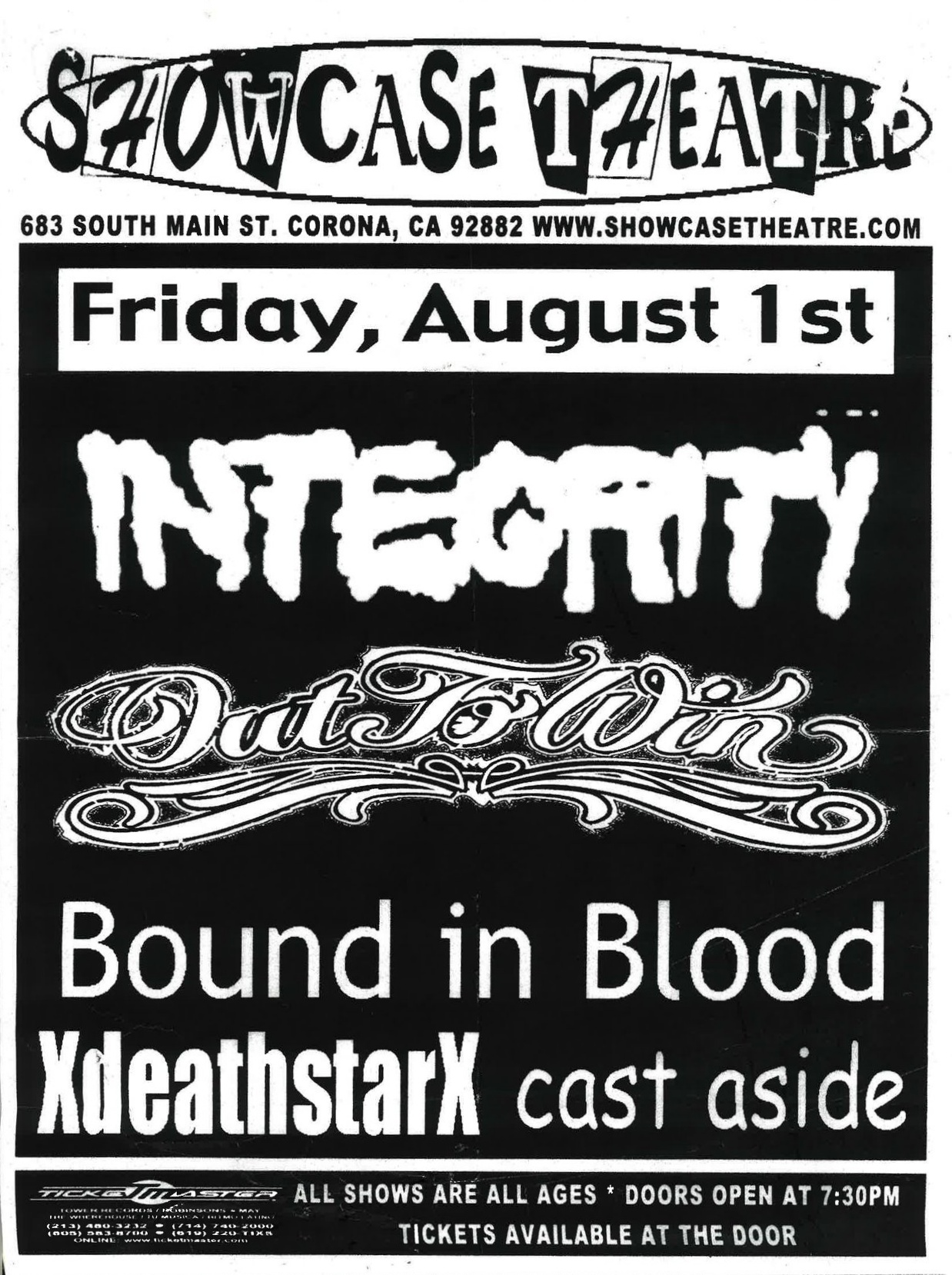
With the film nearly complete, Patrick has launched a GoFundMe campaign to finish it properly — covering professional sound mixing, color grading, and final delivery costs. “Over the course of this film, I’ve worn every hat: director, producer, cinematographer, editor,” he says. “But finishing it the right way means knowing when to stop doing everything yourself… The Showcase deserves that level of care.”
Importantly, the film won’t be hidden behind a paywall. “This film will be released for free. There’s no paywall, no profit waiting on the other side,” Patrick says. “It belongs to the people who built that room, played those stages, and stood shoulder to shoulder in that crowd.”
And in a way that feels fitting for a venue built on DIY spirit, it will take the same community that once packed those rooms to bring the story across the finish line.
“Community built that place,” Patrick says. “And community will finish this film.”
***
Find out more information on The Showcase Theatre Documentary GoFundMe page. There is also an Instagram page where you can stay up to date on the film’s progress.
Tagged: better than a thousand, strife
About the Author

Carlos Ramirez
Owner of No Echo, Carlos Ramirez has played in the bands Black Army Jacket, Hope Collapse, and Deny the Cross. Born and raised in Queens, NY, Carlos resides in Los Angeles with his wife and two kids.