
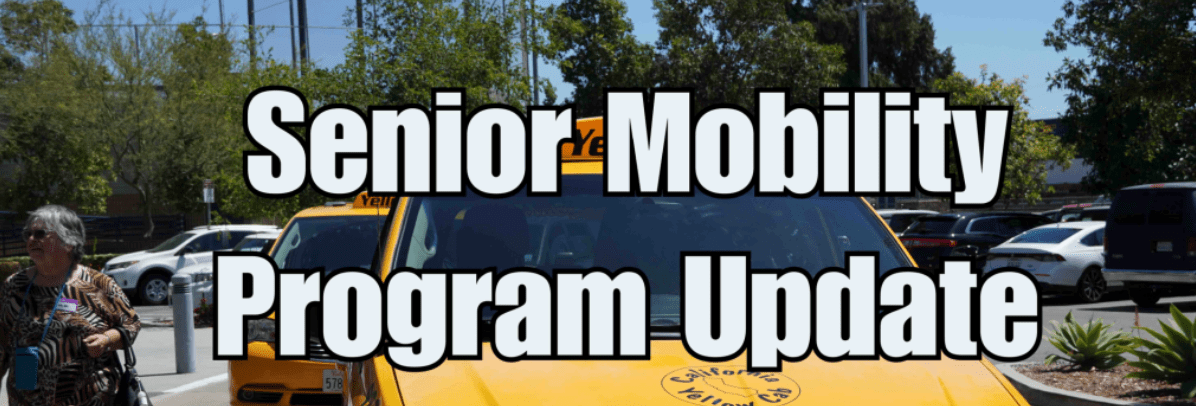
As communities across the nation confront the realities of aging populations, transportation has emerged as a pressing—and often overlooked—public policy challenge. For many older adults, the ability to navigate their neighborhoods is crucial not only for their health and independence but also for their dignity. Yet, as seniors age out of driving, cities frequently fall short in providing adequate alternative transportation options. Fullerton is no different. At the city council meeting on February 17, the council voted to make cuts to the Senior Mobility Program (Taxi Vouchers) starting in July. It passed 3-2 (Zahra, Charles “no”).
Public investment in senior transportation should be viewed as an essential extension of public safety and health rather than a mere luxury. Aging can significantly affect critical skills such as vision, reaction time, and cognitive processing, increasing road safety risks. While many older adults drive safely into their later years, others may need to relinquish their car keys for their own safety and for the safety of others. Choosing to save lives over their own comfort and independence.
Such transitions, however, present their own set of challenges. Without reliable and dignified alternatives, seniors often face the danger of social isolation, a concern that researchers are quickly highlighting. Many older individuals rely on transportation not just for errands but also to access medical appointments, grocery stores, social events, and civic participation. The implications of social isolation are profound—research from organizations like AARP indicates that it can lead to increased risks of depression, cognitive decline, and chronic illness.
Furthermore, the economic ramifications of neglecting senior transportation needs are troubling. When cities fail to support transportation options for older people, the costs are merely shifted to emergency healthcare systems, social services, and families already facing overwhelming responsibilities. “Underfunding transportation does not save money,” one policy expert noted. “It simply moves the bill downstream.”
City-funded transportation initiatives—such as shuttle services, subsidized ride programs, and paratransit—could offer a lifeline for older residents. These services complement existing provisions to meet mobility needs, yet compliance with the Americans with Disabilities Act (ADA) is merely the starting point, not a complete solution. Experts argue that cities must go beyond ADA requirements to address the transportation needs of their aging populations fully.
The impact of accessible transportation goes beyond practicality; it is deeply tied to personal autonomy. When older adults have the freedom to schedule rides independently, they maintain control over their lives, leading to measurable psychological benefits such as improved self-esteem and increased community engagement. Conversely, relying on others for every trip diminishes that sense of autonomy, making the loss of mobility feel more acute and making them feel like a burden on others.
There is a compelling economic case for investing in transportation for seniors. Preventive medical care can greatly decrease the need for emergency room visits, while social engagement can help lower public health costs. Additionally, by reducing transportation challenges, we enable family caregivers to continue working, which contributes to overall economic stability. This investment also enhances road safety.
Cities routinely allocate funds for roads and transit systems, recognizing the role of mobility in economic vitality. Extending that investment to seniors who can no longer drive should be seen not as special treatment but as a fundamental issue of equity. Older adults have contributed to their communities for decades, and ensuring they can continue to participate in civic life reflects shared communal values.
When cities prioritize senior mobility, they are not merely facilitating transportation from point A to point B. They are actively preserving independence, safeguarding public safety, enhancing community health, and honoring the dignity of aging residents. The message is clear: investing in senior transportation means enabling continued life, connection, and purpose for those who have given so much to their communities.

Like this:
Like Loading…
Related
Discover more from Fullerton Observer
Subscribe to get the latest posts sent to your email.