
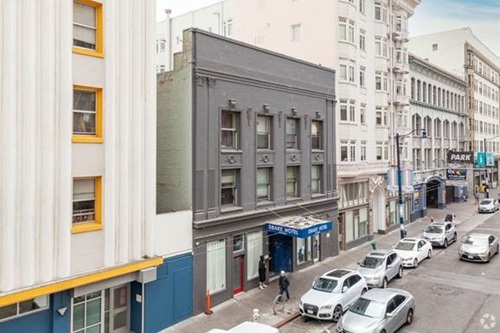
When I walk through the doors of the Drake Hotel at 235 Eddy Street, I see what many people thought was impossible—men and women rebuilding their lives after incarceration, addiction, and years of instability. In 2015, the Tenderloin Housing Clinic launched the New Horizons Transitional Housing Program with support from the San Francisco Adult Probation Department. Our mission was clear: provide a structured transitional housing program that combines accountability, recovery services, and housing stability.
New Horizons is not simply housing—it is a disciplined recovery environment. Residents develop individualized housing placement plans, attend recovery focus groups, participate in employment readiness programming, build savings, reconnect with family, and address the underlying issues that contributed to their justice involvement. We measure outcomes. We hold participants accountable. We expect growth.
And they rise to the challenge.
After 18 months, participants who demonstrate stability and commitment have the opportunity to transition to our Leroy Looper Graduate Program at 587 Eddy Street.
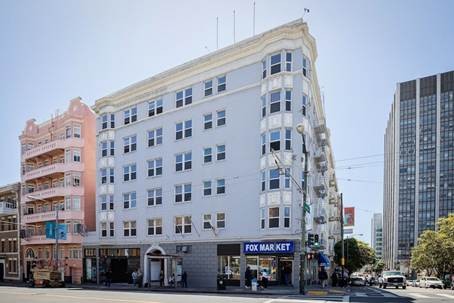
The Leroy Looper Graduate Program provides an additional 18 months of supportive housing for graduates of New Horizons and for individuals who have completed other transitional housing programs or residential treatment. This second phase is about strengthening independence. Residents increase income, repair credit, advance education, maintain sobriety, and prepare for long-term housing stability.
Together, these two programs create a 36-month pathway—three full years of structured support that significantly reduces recidivism, supports recovery, and increases permanent housing placements.
But here is the truth: after 36 months, many of our graduates still face a harsh reality.
San Francisco lacks sufficient drug-free permanent supportive housing options for individuals who have committed to recovery. We have built the bridge from incarceration to stability. We have proven that structure and accountability work. We have demonstrated that people will rise when given opportunity and time.
Now we must complete the bridge.
Our graduates need permanent, drug-free housing environments where recovery is protected—not compromised. After investing 36 months in rebuilding their lives, they should not be placed in housing where open drug use undermines everything they have worked for. Recovery deserves reinforcement, not risk.
This is where leadership matters.
Mayor Lurie, we are asking for a partnership. We are asking the City to prioritize drug-free permanent supportive housing for individuals who have completed structured recovery-based programs. We are asking for policy alignment that recognizes recovery as a public safety and public health strategy. We are asking to protect the investment the City has already made.
The New Horizons Transitional Housing Program and the Leroy Looper Graduate Program have shown what is possible. We have transformed lives at 235 Eddy Street and 587 Eddy Street. We have restored fathers to families, workers to the workforce, and hope to people who once felt forgotten.
Now we need permanent recovery housing to ensure that transformation lasts.
Housing is the platform. Recovery is the engine. Stability is the outcome.
Help us complete the bridge.
Richard Beal
Director of Recovery Services
Tenderloin Housing Clinic
Author of “Recovering From the GAME”
“The Ambassador for Recovery”
