
Editor’s Note: Dr. Chip Espinoza serves as the Dean of Strategy & Innovation at Vanguard University. He is an accomplished author known for his work focused on supporting and empowering young professionals in the workplace. Dr. Mick Ukleja is the founder and president of LeadershipTraQ and co-founder of the Ukleja Center for Ethical Leadership at California State University, Long Beach. He has co-authored books on leadership, ethics and generational diversity.
Orange County remains one of California’s most competitive labor markets and has one of the most educated workforces in the U.S. Yet employers consistently report that recent college graduates are entering the workforce without the leadership and professional skills needed to succeed.
A college degree is not pixie dust for career success, leaving many employers, parents and students wondering if college is worth it.
As companies explore the possibilities of AI and evaluate the makeup of their workforce, today’s students are competing for entry-level jobs and losing out to AI. According to a Stanford study, workers aged 22 to 25 are the most vulnerable to being replaced by AI.
National accreditation bodies are under scrutiny for failing to hold universities accountable for employability outcomes.
Even though the college grade point average (GPA) increased by more than 16% from 1990 to 2020, employers are frustrated with the career readiness of today’s young professionals.
Career readiness is more than the number of units taken or even the grades received. It is a bridge from academics to the real world.
Firing Gen Z
A 2024 Harris Poll study identifies 14 reasons bosses are firing Gen Z:
– They Lack Initiative
– Lack of Professionalism
– Poor Organizational Skills
– Poor Communication Skills
– Challenges with Feedback
– Lack of Relevant Work Experience
– Poor Problem-Solving Skills
– They Have Insufficient Technical Skills
– They’re a Bad Culture Fit
– They Can’t Work in a Team
– They’re Entitled
– They’re Often Late to Work
– They Dress Unprofessionally
– They Can’t Manage the Workload
For many of us in older generations, these skills were developed long before our first job offer.
We were taught negotiation, conflict resolution and accountability on the playgrounds and ballfields. Whereas today’s youth experienced more structured systems, limiting opportunities for failure, feedback and interpersonal conflict.
In fact, the workplace may be the first place where young professionals get dispraised. Passing from grade to grade with high marks and unbridled affirmation does not prepare one for a career.
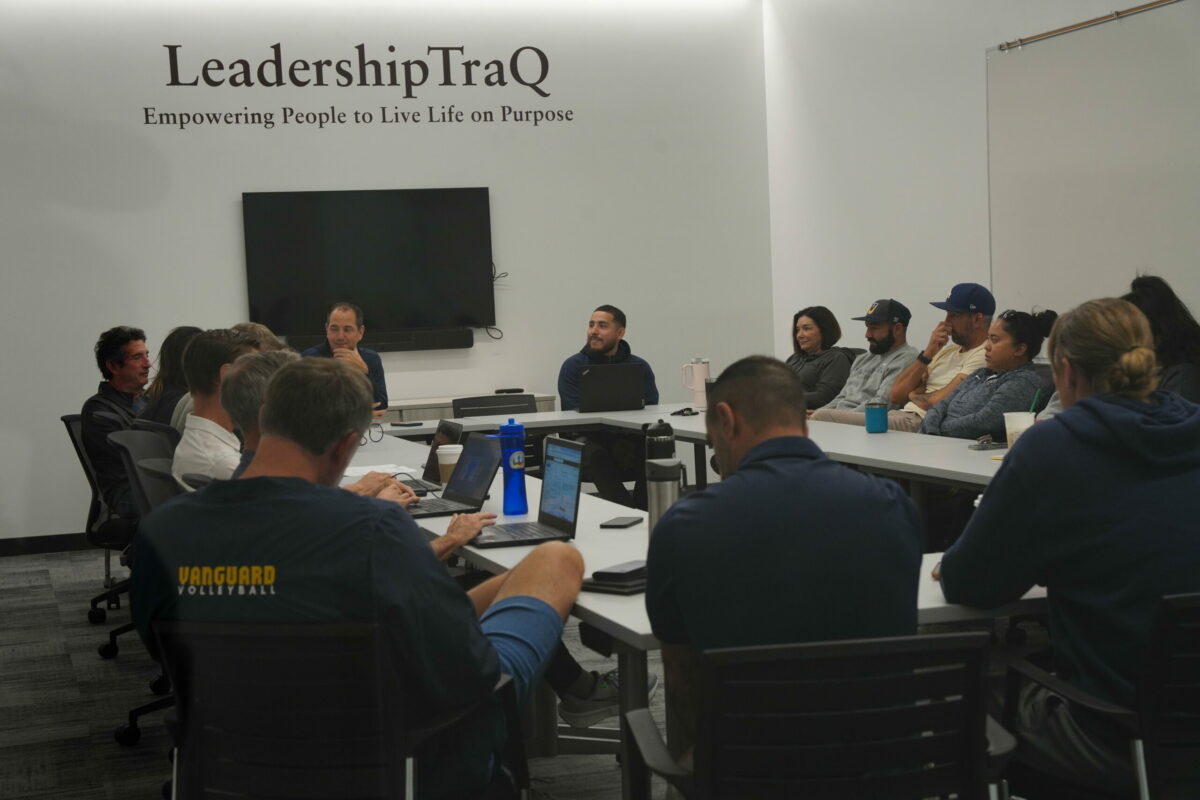
Realizing this, Vanguard University has established LeadershipTraQ with the generous support of Dr. Mick Ukleja, who founded the program three decades ago with the mission to empower leaders to live life on purpose.
Dr. Ukleja founded the organization to give those interested in developing leadership skills access to some of the brightest minds on the subject. Ken Blanchard, Warren Bennis, Patrick Lencioni and John Wooden are just a few of the gifted thought-leaders who have contributed to our learning community.
LeadershipTraQ focuses on four primary areas of leadership development: self-leadership, one-on-one leadership, team leadership and organizational leadership, with a holistic approach that asks students to draw on their own experiences both inside and outside the classroom. We train faculty to emphasize both positive and critical feedback, regardless of the fallout, and we encourage student development by helping students work out their own conflicts (in the dorms, in student clubs, etc.).
Our self-leadership training programs emphasize the challenges young adults will face early in their careers and how to overcome them. Knowing what to expect, whether it is fair or unfair, gives them a sense of control over their career growth. The litmus test for successful training is self-efficacy and observed competency; do you believe you can do it, and can others see you do it?
Can You Lead Yourself?
If you can’t lead yourself, you can’t effectively lead others.
Our students are challenged to learn about themselves and gain perspective through various personal inventories, reflection and experience. Self-awareness leads to relational awareness, which is key to one-on-one leadership. Interpersonal communication, conflict resolution and accountability help build trust with the people they lead.
Team leadership is about leveraging the best of everyone at the table toward shared goals. As Ken Blanchard quips, “None of us is as smart as all of us.”
Team leadership requires talent assessment, understanding motivating factors and collaboration. Valuing both people and results is central to organizational leadership.
Warren Bennis observes, “Leaders are primarily concerned with expressing themselves, and non-leaders are primarily concerned with proving themselves.”
Organizational leadership requires creating a compelling vision, empowering followers to choose how they pursue it, and fostering a sense of urgency.
In the aforementioned “firing reasons” list, you will see “Entitled.” Rather than focusing on the frustration, we emphasize overcoming the perception by showing gratitude.
The best way to overcome being labeled entitled is to show appreciation when people do nice things for you. In our own research, managers opined, “Anytime I do anything nice for them, they just expect it.”
Student feedback from our first cohort has been a strong indicator of student learning, and we are excited to report on the success of these students in the future.
“The extra focus I have placed on myself has allowed me to grow and be a better leader for my teammates, the people around me, and it helps me lead in different places on campus and in my life.”
“Gen Z is often viewed negatively in the workforce. I was challenged to change that narrative and learn how to make a meaningful impact in professional environments.”
“I now understand the importance of building relationships with people outside of my generation. I have found myself connecting with professors and their professional friends.
Through the connections I have gotten so much insight and opportunity.”
I learned, “Master your boss’ way before you suggest your way.”
I will forever remember, “Invest in yourself before you expect others to invest in you.”
LeadershipTraQ’s ambition is to equip students with the leadership competencies they need to thrive in their careers while serving as the go-to place for employers to find their future leaders.