
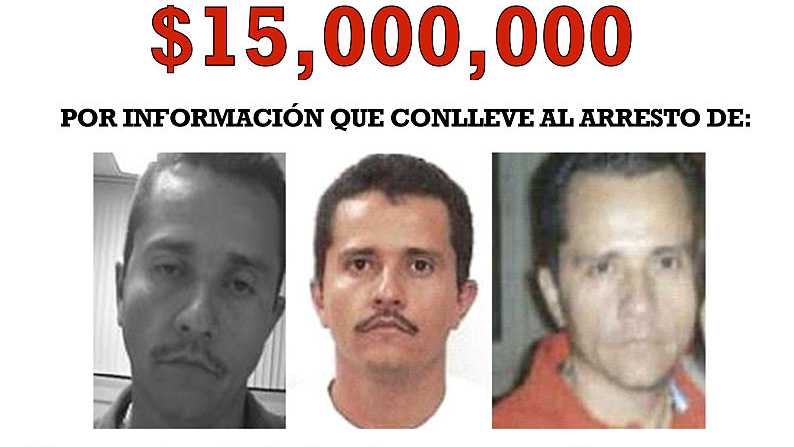
Nemesio Rubén Oseguera Cervantes — later known as the cartel leader “El Mencho” — had run-ins with law enforcement in San Francisco years before he rose to power in Mexico, according to the San Francisco Chronicle (a Hearst outlet, same parent company as KSBW 8). The Chronicle reports that Oseguera Cervantes was first arrested in San Francisco in 1986 at age 19 after police caught him trying to sell a small stash of drugs, citing a Courier Journal investigation and published mugshots. After being deported, he returned to the Bay Area and was jailed again in San Francisco in 1989, the investigation found.The Chronicle also reports that in 1992, Oseguera Cervantes and his brother sold heroin for $9,500 to undercover officers at the Imperial Bar in San Francisco. The case moved through federal court, and both brothers ultimately pleaded guilty under a plea deal, according to court records referenced by the Chronicle. His brother, Abraham Oseguera-Cervantes, received a 10-year sentence in 1993, while Ruben Oseguera-Cervantes was sentenced to five years the following year, the Chronicle reported.Court records show he was detained at Santa Rita Jail while the case was underway and was later ordered transferred to the federal prison in Pleasanton, which has since shut down. Those same records indicate he was already using the nickname “Mencho” at the time, per the Chronicle. Oseguera Cervantes was the boss of one of the fastest-growing criminal networks in Mexico, known for trafficking fentanyl, methamphetamine and cocaine to the United States and staging brazen attacks against Mexican government officials. The organization responded to his death with widespread violence, including erecting more than 250 roadblocks across 20 states and setting fire to vehicles, according to the Associated Press.Oseguera Cervantes died after a shootout with the Mexican military. Mexican Defense Secretary Ricardo Trevilla said Monday that authorities had followed one of his romantic partners to his hideout in Tapalpa.The cartel leader and two bodyguards fled into a wooded area where they were seriously wounded in a firefight. They were taken into custody and died on the way to Mexico City, Trevilla said, according to the Associated Press.In a different location in Jalisco, soldiers killed another high-ranking cartel member who Trevilla said was coordinating violence and offering more than $1,000 for every soldier killed.The dead included 25 members of the Mexican National Guard who were killed in six separate attacks, Security Secretary Omar García Harfuch said.Harfuch said some 30 criminal suspects were killed in Jalisco, and four others were killed in the neighboring state of Michoacan. Also killed were a prison guard and an agent from the state prosecutor’s office.
SAN FRANCISCO —
Nemesio Rubén Oseguera Cervantes — later known as the cartel leader “El Mencho” — had run-ins with law enforcement in San Francisco years before he rose to power in Mexico, according to the San Francisco Chronicle (a Hearst outlet, same parent company as KSBW 8).
The Chronicle reports that Oseguera Cervantes was first arrested in San Francisco in 1986 at age 19 after police caught him trying to sell a small stash of drugs, citing a Courier Journal investigation and published mugshots.
After being deported, he returned to the Bay Area and was jailed again in San Francisco in 1989, the investigation found.
The Chronicle also reports that in 1992, Oseguera Cervantes and his brother sold heroin for $9,500 to undercover officers at the Imperial Bar in San Francisco. The case moved through federal court, and both brothers ultimately pleaded guilty under a plea deal, according to court records referenced by the Chronicle.
His brother, Abraham Oseguera-Cervantes, received a 10-year sentence in 1993, while Ruben Oseguera-Cervantes was sentenced to five years the following year, the Chronicle reported.
Court records show he was detained at Santa Rita Jail while the case was underway and was later ordered transferred to the federal prison in Pleasanton, which has since shut down. Those same records indicate he was already using the nickname “Mencho” at the time, per the Chronicle.
Oseguera Cervantes was the boss of one of the fastest-growing criminal networks in Mexico, known for trafficking fentanyl, methamphetamine and cocaine to the United States and staging brazen attacks against Mexican government officials. The organization responded to his death with widespread violence, including erecting more than 250 roadblocks across 20 states and setting fire to vehicles, according to the Associated Press.
Oseguera Cervantes died after a shootout with the Mexican military. Mexican Defense Secretary Ricardo Trevilla said Monday that authorities had followed one of his romantic partners to his hideout in Tapalpa.
The cartel leader and two bodyguards fled into a wooded area where they were seriously wounded in a firefight. They were taken into custody and died on the way to Mexico City, Trevilla said, according to the Associated Press.
In a different location in Jalisco, soldiers killed another high-ranking cartel member who Trevilla said was coordinating violence and offering more than $1,000 for every soldier killed.
The dead included 25 members of the Mexican National Guard who were killed in six separate attacks, Security Secretary Omar García Harfuch said.
Harfuch said some 30 criminal suspects were killed in Jalisco, and four others were killed in the neighboring state of Michoacan. Also killed were a prison guard and an agent from the state prosecutor’s office.