
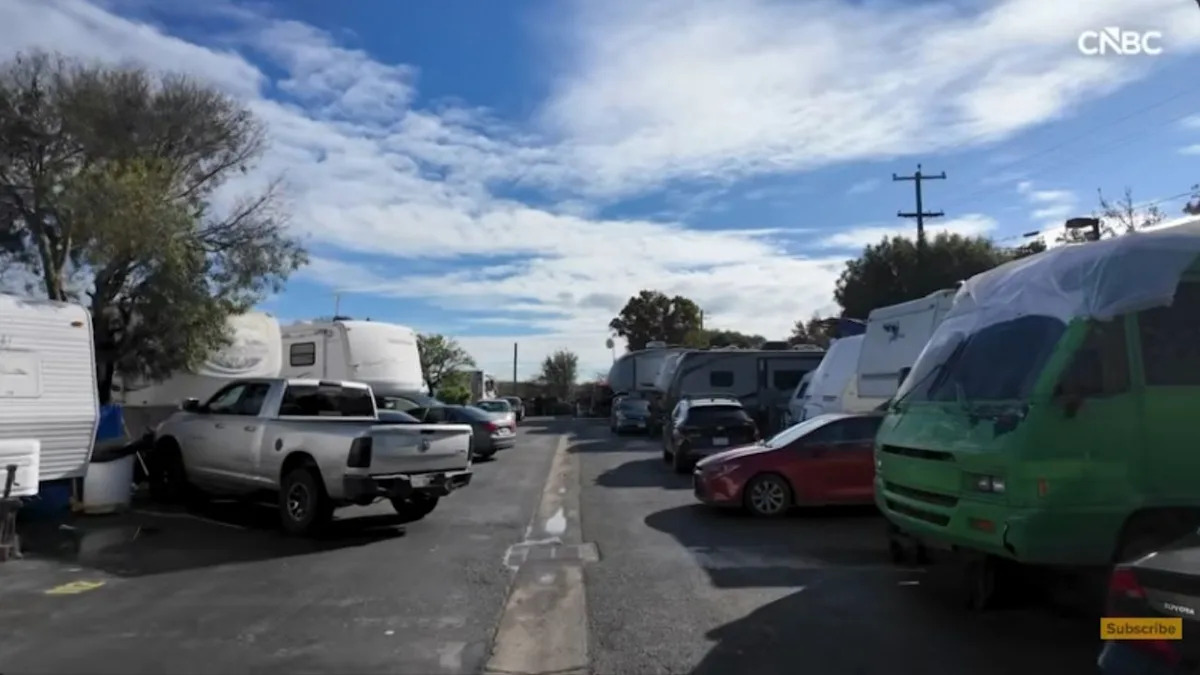
As housing costs in California continue to soar, a growing number of residents are finding shelter in the most unexpected of places: their automobiles. From old RVs to converted vans, these mobile homes are becoming a lifeline for those who cannot afford skyrocketing rents or home prices.
For many of this people, the shift to life on wheels is not a temporary solution but a permanent way of living.
The trend is particularly visible in urban hubs like Los Angeles, San Jose, and San Francisco, where median home prices have long surpassed a million dollars.

Image Credit: CNBC/YouTube.
Even for middle-class workers, monthly rents for modest apartments can eat up a large portion of income.
In this environment, RVs and camper vans provide a degree of independence and affordability that traditional housing cannot. Residents trade square footage and luxury for mobility and a sense of control over their living situation.
The Rise of the ‘Vanlord’ and Unregulated Rentals
This emerging reality has also given rise to a new, largely unregulated rental market. Individuals who own RVs are increasingly renting them out as long-term housing to those seeking an alternative to conventional apartments.
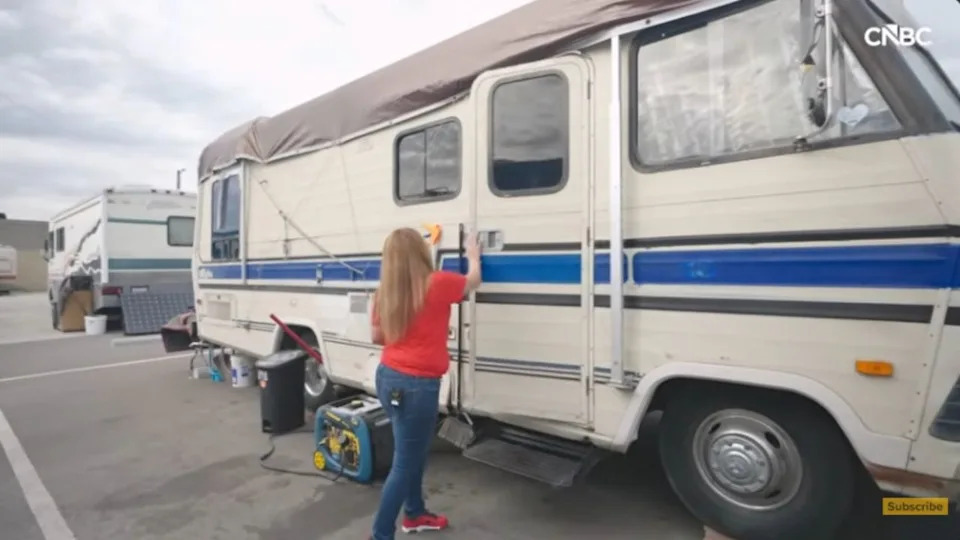
Image Credit: CNBC/YouTube.
These rental arrangements are often informal. Tenants may live without traditional leases, and the RVs frequently lack basic utilities or legal protections. The people renting these vehicles have been dubbed “vanlords” in news coverage that highlights the entrepreneurial side of this unconventional housing sector.
Cities across California are grappling with how to manage this shift. In San Jose, local authorities have introduced limited safe parking programs.
These sites allow RVs to be parked overnight with access to sanitation facilities, water, and sometimes even social services.
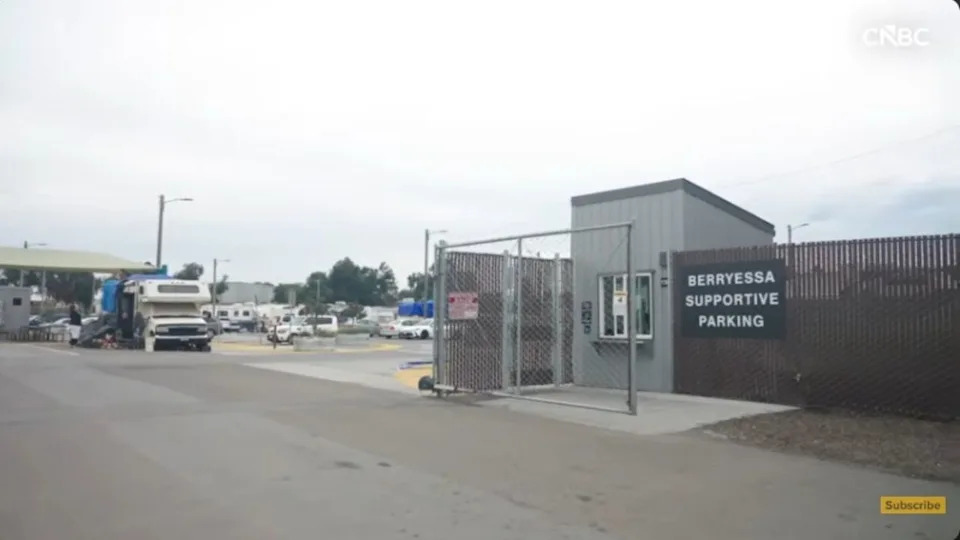
Image Credit: CNBC/YouTube.
Officials emphasize that the programs are designed to provide safety and stability for residents who would otherwise be forced to sleep on streets or in parking lots.
Other cities have considered or implemented restrictions on long-term vehicle parking in public areas. The challenge lies in balancing safety, legality, and human need in a housing market that shows little sign of easing.
Mobility, Innovation, and a New Way of Living
For many residents, the appeal of living in a car extends beyond cost. Mobility offers flexibility in employment and lifestyle that traditional housing cannot match. Those living in vans or RVs can move closer to work, explore different neighborhoods, or adapt quickly to life changes.
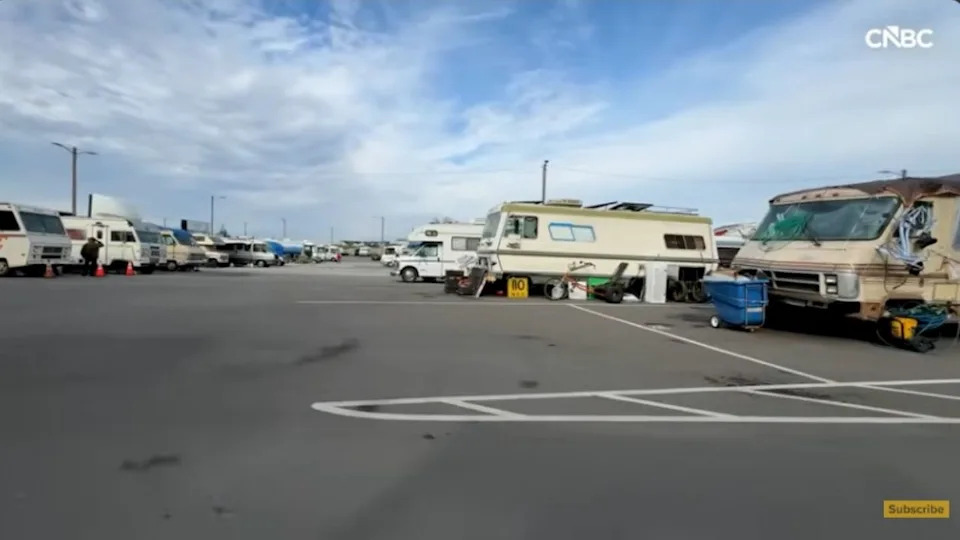
Image Credit: CNBC/YouTube.
The cars themselves range from luxury motorhomes to modest converted vans. They may come in different sizes and shapes, but they do have one thing in common: They provide a private space that is increasingly hard to find on the housing market.
Automotive enthusiasts may find themselves at the intersection of this crisis and innovation. RVs and vans are evolving as living spaces, with clever interior designs, energy-efficient upgrades, and connectivity solutions that allow residents to maintain a modern lifestyle on the road.
Solar panels, compact kitchens, and multifunction furniture are transforming these vehicles from weekend campers into fully functional homes.
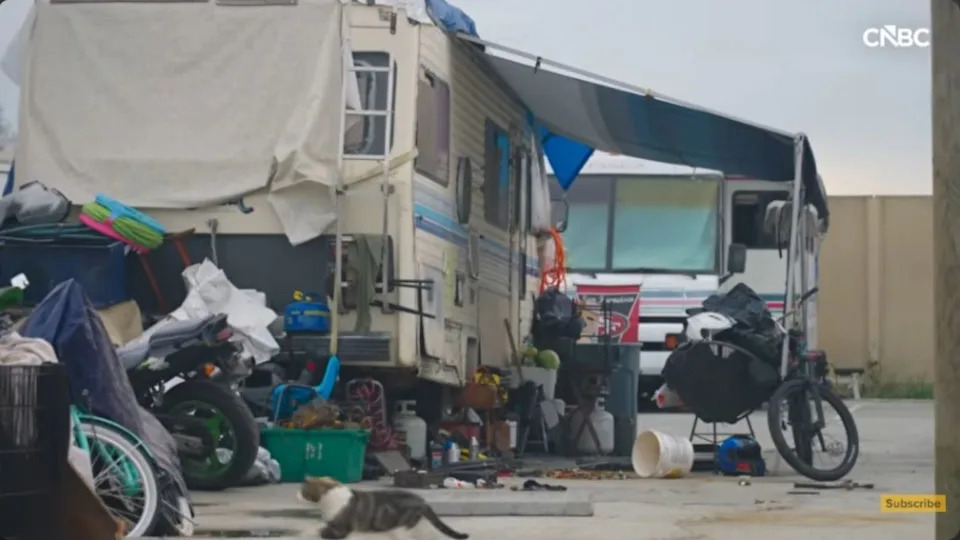
Image Credit: CNBC/YouTube.
For automakers, this trend opens opportunities to market RVs and vans not just for leisure but for long-term living.
Companies that embrace this dual-use concept may find a growing customer base in an unexpected demographic.
A Polarizing Solution to a Broken System
Not everyone is a fan. Some posit that car living should not substitute for real housing solutions. They point to the real long-term challenges of sanitation, stability, and access to public services. The other side of the aisle, however, see it as a pragmatic response to a broken system.
In the meantime, thousands of Californians are choosing freedom on wheels over the uncertainty of unaffordable rentals. Their experiences highlight the adaptability of people facing extreme economic pressures and the role of automobiles as both transportation and shelter.
Ultimately, California’s deepening housing crisis has inadvertently thrust RVs and vans onto a pedestal where they’ve become more than a temporary fix. They may now represent a broader shift in the way Americans think about home, mobility, and survival in a market that increasingly favors flexibility.
Read More