
California Sen. Shannon Grove introduced a bill Tuesday that would allow fewer accused criminals to be eligible for mental health diversion under California law. Her bill would also give judges more discretion to deny diversion. During a news conference Tuesday morning, the Republican senator, along with the Sacramento County Sheriff’s Office, highlighted several cases in which those charged with crimes had been granted diversion before re-offending with violent consequences. Under current law, the court can grant pretrial diversion if a defendant is diagnosed with a mental disorder and the court finds that the mental disorder was a significant factor in the offense. Crimes that are exempt from the current law include murder, voluntary manslaughter, rape and continuous sexual abuse of a child. During the news conference, Grove said she believes the program was created with good intentions and was meant to help those who truly have mental health disorders and have committed low-level crimes, but she said it needs more guardrails. “The lack of safeguards to disqualify violent repeat offenders, combined with limited judicial discretion to determine when the offense poses a risk to public safety, has opened a door for violent offenders to use mental health conditions and mental health diversion as a way to avoid accountability for their crimes,” Grove said. “As a result, perpetrators are returning to our communities without sufficient protections in place and are habitually re-offending.”Grove’s bill, SB 1373, would expand the list of crimes that would make someone ineligible for diversion. That list would include attempted murder, kidnapping, carjacking and human trafficking. It would also make defendants ineligible if they have two prior felonies or a prior offense under the Three Strikes rule. SB 1373 would also allow the court to deny diversion if it finds that it’s more likely than not that if the defendant is released in the community, that person would pose a risk to public safety. “We are diverting justice from victims who deserve it desperately,” Grove said. “Victims were physically attacked, assaulted and some even murdered. Their perpetrators received diversion and took a few classes, maybe some medication, and then within a year or two, everything was wiped from their record as if the crime never existed.”The bill has bipartisan support. Democratic Assemblymember Maggy Krell also spoke at the news conference. She said she agreed that the program was created with good intentions but has had unintended consequences. “The floodgates have been opened, and some of the crimes where people are getting diverted are just simply too serious for that level of criminal justice enforcement,” Krell said. “Some of these crimes aren’t even eligible for probation. So when you’re talking about abuse of a child almost causing death and abuse of a child causing death and repeat domestic violence, these are really serious offenses with a high level of public safety impact.”A recent case in which the accused was granted diversion has been getting the public’s attention after KCRA 3 Investigates aired a story on Friday about a CHP officer charged with lying under oath. The legal team for former officer Michelle Reinert claimed she was suffering from PTSD when she “made mistakes” on three traffic tickets.See more coverage of top California stories here | Download our app | Subscribe to our morning newsletter | Find us on YouTube here and subscribe to our channel
SACRAMENTO, Calif. —
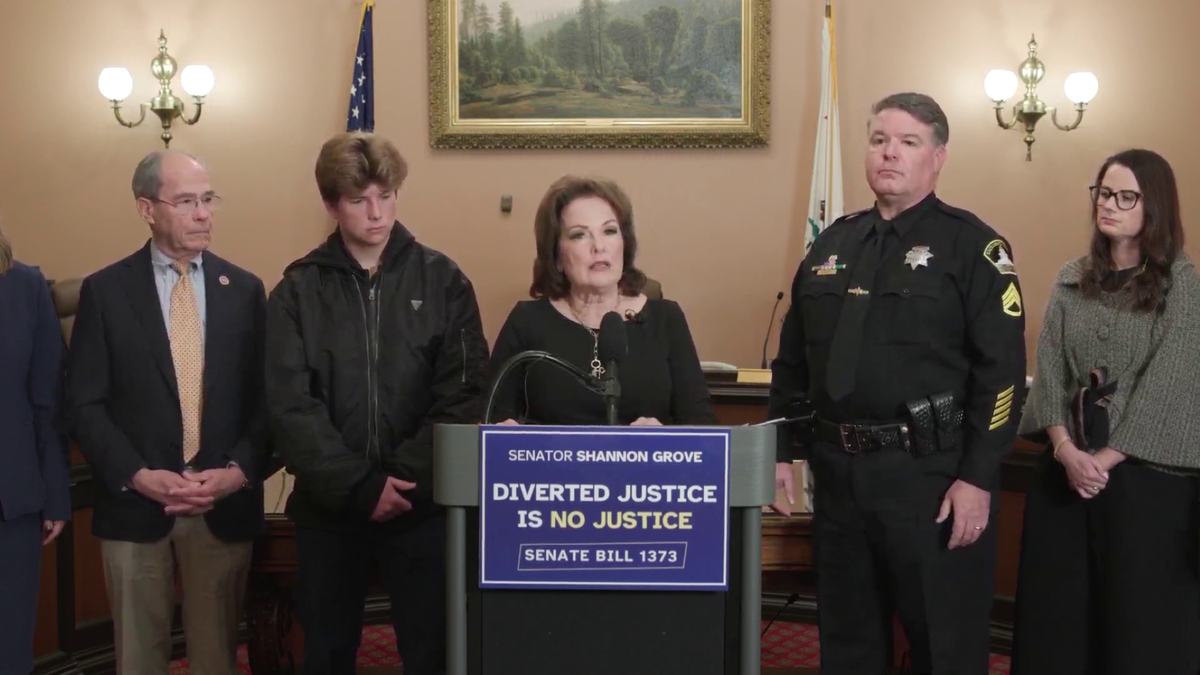
California Sen. Shannon Grove introduced a bill Tuesday that would allow fewer accused criminals to be eligible for mental health diversion under California law.
Her bill would also give judges more discretion to deny diversion. During a news conference Tuesday morning, the Republican senator, along with the Sacramento County Sheriff’s Office, highlighted several cases in which those charged with crimes had been granted diversion before re-offending with violent consequences.
Under current law, the court can grant pretrial diversion if a defendant is diagnosed with a mental disorder and the court finds that the mental disorder was a significant factor in the offense. Crimes that are exempt from the current law include murder, voluntary manslaughter, rape and continuous sexual abuse of a child.
During the news conference, Grove said she believes the program was created with good intentions and was meant to help those who truly have mental health disorders and have committed low-level crimes, but she said it needs more guardrails.
“The lack of safeguards to disqualify violent repeat offenders, combined with limited judicial discretion to determine when the offense poses a risk to public safety, has opened a door for violent offenders to use mental health conditions and mental health diversion as a way to avoid accountability for their crimes,” Grove said. “As a result, perpetrators are returning to our communities without sufficient protections in place and are habitually re-offending.”
Grove’s bill, SB 1373, would expand the list of crimes that would make someone ineligible for diversion. That list would include attempted murder, kidnapping, carjacking and human trafficking. It would also make defendants ineligible if they have two prior felonies or a prior offense under the Three Strikes rule.
SB 1373 would also allow the court to deny diversion if it finds that it’s more likely than not that if the defendant is released in the community, that person would pose a risk to public safety.
“We are diverting justice from victims who deserve it desperately,” Grove said. “Victims were physically attacked, assaulted and some even murdered. Their perpetrators received diversion and took a few classes, maybe some medication, and then within a year or two, everything was wiped from their record as if the crime never existed.”
The bill has bipartisan support. Democratic Assemblymember Maggy Krell also spoke at the news conference. She said she agreed that the program was created with good intentions but has had unintended consequences.
“The floodgates have been opened, and some of the crimes where people are getting diverted are just simply too serious for that level of criminal justice enforcement,” Krell said. “Some of these crimes aren’t even eligible for probation. So when you’re talking about abuse of a child almost causing death and abuse of a child causing death and repeat domestic violence, these are really serious offenses with a high level of public safety impact.”
A recent case in which the accused was granted diversion has been getting the public’s attention after KCRA 3 Investigates aired a story on Friday about a CHP officer charged with lying under oath. The legal team for former officer Michelle Reinert claimed she was suffering from PTSD when she “made mistakes” on three traffic tickets.
See more coverage of top California stories here | Download our app | Subscribe to our morning newsletter | Find us on YouTube here and subscribe to our channel