
A Natomas mother who has lived in this country for more than 25 years and has DACA status was deported suddenly last week. She and her daughter vow to fight it.
SACRAMENTO, Calif. — A Natomas mother who has lived in this country for more than 25 years was deported suddenly last week. It happened while she was attending an appointment in the process of becoming a lawful permanent resident – also known as getting her green card.
Maria de Jesus Estrada Juarez, 42, was born in Mexico came to the United States when she was 15.
She attended high school in the U.S. and eventually became a recipient of DACA – Deferred Action for Childhood Arrivals. That’s a U.S. policy that defers “removal action against an individual for a certain period of time,” with U.S. Citizenship and Immigration Services noting that “Deferred action does not provide lawful status.”
Later, Estrada Juarez had her only child, Damaris Bello, who is now 22. The two live together in Natomas. They did, anyhow, until Feb. 18.
ABC10 spoke with both of them in a zoom interview Tuesday afternoon.
“My mom has been a DACA recipient for many years now, that USCIS granted her,” Bello said. “So we thought it’d be the time to do something, take the next step forward, pursue the American dream and just do things correctly.”
USCIS allows “a U.S. citizen who is at least 21 years old” to sponsor an immediate family member for lawful permanent resident status. So once Bello, a citizen, turned 21 last year, the mother-daughter pair started that process.
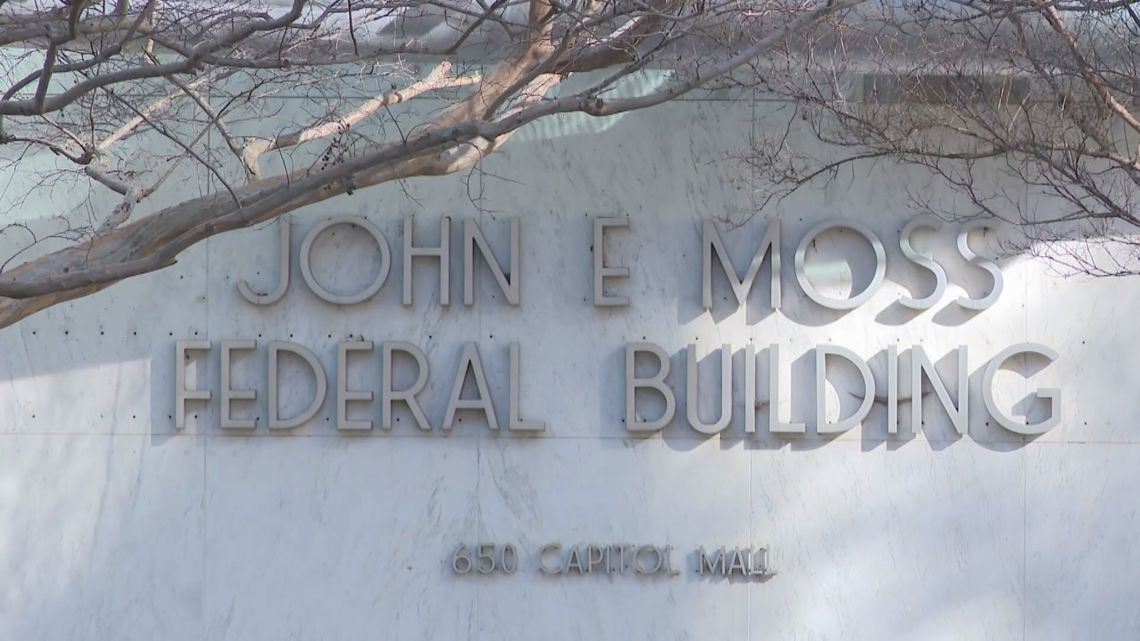
She was granted a green card interview on Feb. 18 of this year, the two said, at the John Moss Federal Building in downtown Sacramento.
“Did her hair, did her makeup,” Bello said.
Estrada Juarez – a regional manager for a major motel chain – brought with her a binder of documents, from tax and employment records to proof of vaccinations. Joined by her daughter, the pair thought they were entering a routine appointment. The interview went well, they said, but then a federal agent approached them.
“They ask for Maria Estrada. I said, ‘Yes, that’s me,’” Estrada Juarez recalled, saying the federal agent then told her to “‘Stand up, turn around, put your hands behind your back. You’re being deported because you have an immediate deportation.’”
“It seemed like we walked in and she never had a chance,” Bello said. “It felt like we just walked into a trap.”
Estrada Juarez said federal agents with no identification or marked uniforms cuffed her feet and hands, “like I was the most wanted criminal in the whole United States. I never felt so humiliated,” she said emotionally.
Agents cited a removal order from 1998, when Estrada Juarez was a 15-year-old crossing the border. During her first attempt at crossing, she said, a federal agent detained and questioned her, then let her go. She successfully crossed the border days later.
Never in the process of applying for and receiving DACA status – or renewing it several times, Estrada Juarez said – has she heard about any kind of removal order.
The federal government even granted her parole in 2014 to visit a sick family member in Mexico, she said.
Plus, “I have no criminal record whatsoever,” she told ABC10.
When her attorney arrived at the federal building and requested documentation, Estrada Juarez said she was denied. Within less than 24 hours of arriving for her interview – without any kind of hearing, she said – Estrada Juarez was deported to Mexico.
“It was so scary because it felt like they were kidnapping my mom,” Bello said.
ABC10 spoke with the two from Mexico. Bello came to stay with her mom this past weekend – at a family member’s house – as they figure out their next legal steps.
Kevin Johnson, law professor at UC Davis School of Law, said he thinks this is “a troubling case, but indicative of the kind of approaches the Trump administration has taken with respect to immigrants.”
He said what happened to Estrada Juarez raises serious legal questions – the very kind an immigration judge should weigh before any kind of deportation action.
“She would have a right to that hearing because she’s already been found eligible and assigned relief to remain in the country lawfully under the Deferred Action for Childhood Arrivals policy,” he said, adding that the “Supreme Court’s made it clear that, generally speaking, a non-citizen has a right to due process before they’re removed from the country.”
The Department of Homeland Security defends its actions, telling ABC10 in a statement, Estrada Juarez “received full due process and was previously issued a final order of removal from a judge in 1998 and was removed from the United States shortly after. She illegally re-entered the U.S.—a felony,” saying that final order of removal was reinstated when she was arrested last week.
ABC10 asked for documentation of the 1998 removal order and why – as Estrada Juarez says – she was never made aware of it. DHS did not answer those questions.
Now, the mother-daughter pair is looking for an immigration attorney.
“I don’t know what I’m going to do if I don’t go back to my family [in California],” Estrada Juarez said. “It’s going be really hard for me.”
At 10:45 a.m. Wednesday, local elected officials will hold a news conference at the John Moss Federal Building in Downtown Sacramento, where Estrada Juarez’s unexpected and sudden deportation process began. They’re demanding this Natomas mother be returned home.
WATCH MORE ON ABC10 | DHS shutdown looms over immigration clash
ABC10: Watch, Download, Read