
Most people think of heart disease, kidney disease and diabetes as separate problems. In reality, they are tightly interconnected — biologically and clinically — and together form one of the most powerful drivers of illness and early death in the United States.
Clinicians increasingly refer to this interconnected condition as cardiovascular-kidney-metabolic (CKM) syndrome. Chronic overconsumption and inactivity lead to excess body fat (especially in the abdominal region), resulting in insulin resistance, high blood pressure, abnormal cholesterol and early kidney dysfunction. These conditions reinforce one another over time, quietly damaging blood vessels and organs long before a heart attack or kidney failure occurs.
Cardiovascular-kidney-metabolic syndrome doesn’t develop overnight. It builds over years — often decades — with subtle warning signs that are easy to overlook: a little weight gain, a rising A1c, slightly elevated blood pressures, high triglycerides and low “good” cholesterol. Too often, these conditions are treated in isolation or, even worse, dismissed as inevitable consequences of aging.
The result is predictable: millions of Americans only learn they have serious cardiovascular disease after being admitted with a heart attack or congestive heart failure.
But that paradigm is finally changing.
For years, prevention relied heavily on basic cholesterol panels and population-based risk calculators. While helpful, these tools frequently underestimate risk — particularly in people with metabolic disease or early kidney dysfunction.
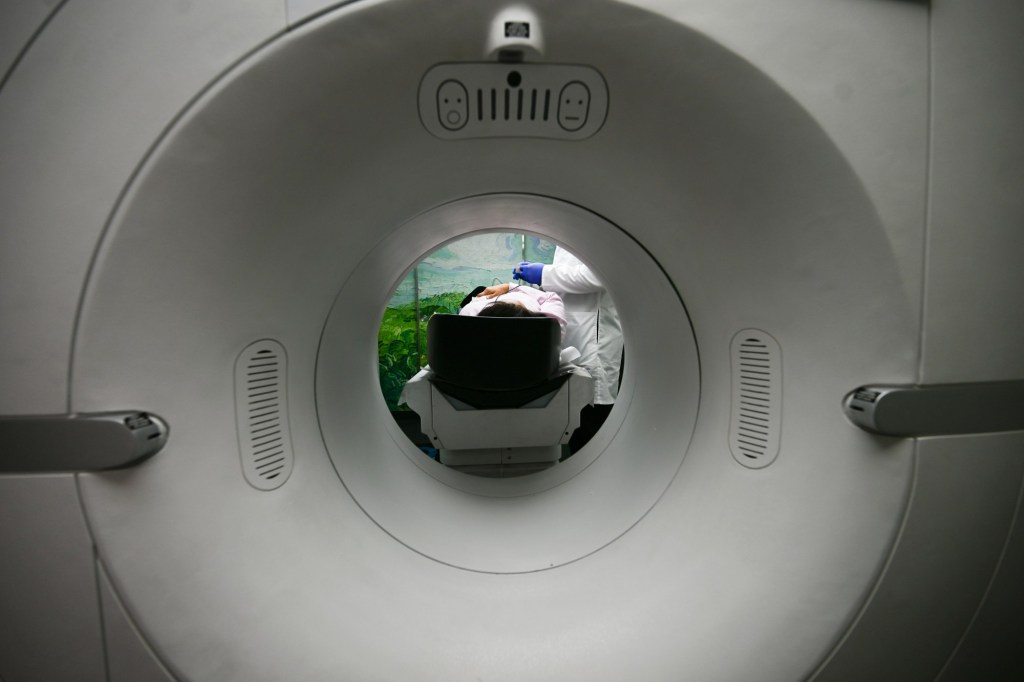
Today, clinicians have access to better tools to identify subclinical disease, including certain blood biomarkers found in lab tests and additional diagnostic imaging, such as coronary artery calcium scoring, that can detect subtle heart disease and inflammation long before symptoms appear.
These tools transform population-based prevention into personalized, precision care. Instead of responding to catastrophic illness, clinicians can now recognize disease early — fundamentally changing its course.
A new generation of medications is reshaping how cardiovascular-kidney-metabolic syndrome is treated:
— SGLT2 inhibitors (such as empagliflozin or dapagliflozin): Originally developed for the treatment of diabetes, SGLT2 inhibitors are cornerstone therapies for cardiovascular-kidney-metabolic syndrome because they simultaneously protect the heart and kidneys while improving metabolic health. Across multiple outcome trials, they markedly reduce heart failure hospitalizations, slow progression of chronic kidney disease, and lower cardiovascular mortality — benefits seen even in patients without diabetes. In addition, they modestly improve weight and blood pressure and reduce intraglomerular pressure, making them uniquely effective at interrupting the shared pathways that drive heart failure, renal decline, and cardiometabolic risk.
— GLP-1 receptor agonists and newer dual incretin therapies (such as semaglutide or tirzepatide): Weekly injections spur substantial weight loss through appetite suppression and increased satiety resulting in decreased caloric intake. By reducing visceral fat accumulation, they target the upstream biology that fuels cardiometabolic risk — leading to significant improvement in blood pressure, cholesterol, glucose and inflammation. Beyond weight reduction, they lower the risk of heart attack, stroke and heart failure hospitalizations, making them powerful tools for both obesity treatment and cardiovascular disease prevention.
These advances represent a fundamental shift: from reacting to organ failure to modifying disease pathways earlier in life.
Lifestyle remains essential — adequate physical activity, nutrition, sleep and stress management are cornerstones of cardiovascular health. But biology matters. Genetics, hormones and metabolic programming play powerful roles, and many patients need medical therapy in addition to positive behavioral change. Framing medical treatment as a failure of willpower ignores the science — potentially delaying and stigmatizing life-saving interventions.
Cardiorenal-metabolic disease is one of the most significant chronic health challenges of our time. It affects every age group and community, and is a major driver of heart attack, stroke and heart failure hospitalizations.
We already have the tools to change this story: coordinated screening, earlier intervention, broader access to evidence-based therapies — anchored by a cultural shift that puts prevention at the center of care, not merely an afterthought.
The future of cardiovascular care is not waiting for emergencies to happen. It’s recognizing cardiovascular-kidney-metabolic disease early, treating it decisively, and giving people the chance to live longer, healthier lives.
Shen, M.D., is a cardiologist, an associate professor of medicine at UC San Diego School of Medicine and director of the Bankers Hill Cardiovascular Clinic at UC San Diego Health.