
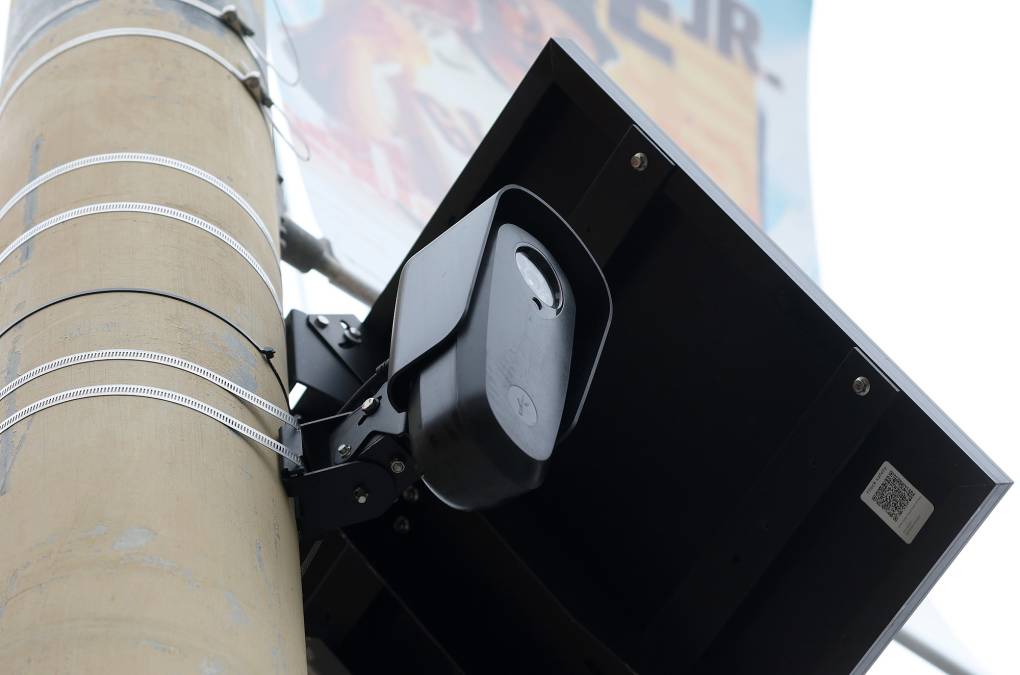
Cupertino City Manager Tina Kapoor confirmed the city’s Flock contract is active Tuesday evening.
“We will be evaluating the agreement based on the county’s decision and other considerations at the moment, such as our upcoming law enforcement contract with the county and the budget,” Kapoor said.
Duong noted that if Cupertino or Saratoga were to find new vendors for license plate readers, the sheriff’s office would likely be able to quickly resume oversight and operation of that technology.
However, some county leaders raised broader concerns about the technology of ALPRs, which in Flock’s case, record not only a car’s license plate, but also its make and model, color and defining features like roof racks and bumper stickers.
Supervisor Susan Ellenberg voted against the change in policy Tuesday because she feels license plate readers in general represent an “excessive invasion of privacy,” and that those concerns outweigh any public safety benefit.
“Flock is particularly problematic. But I differ from my colleagues in that I don’t believe they are an outlying bad actor and alternatives are not necessarily any safer,” Ellenberg said during the county board meeting.
“I am really existentially troubled by the expansion of the surveillance state and its contribution to the erosion of democracy, civil liberties and other protections that actually create safe communities,” Ellenberg said.
“Alleviating poverty and ensuring stable housing, sufficient nutrition, access to health care and education, clean and well lit streets, of course, create more safety than surveillance cameras, even when used under the strictest use policies,” she said.
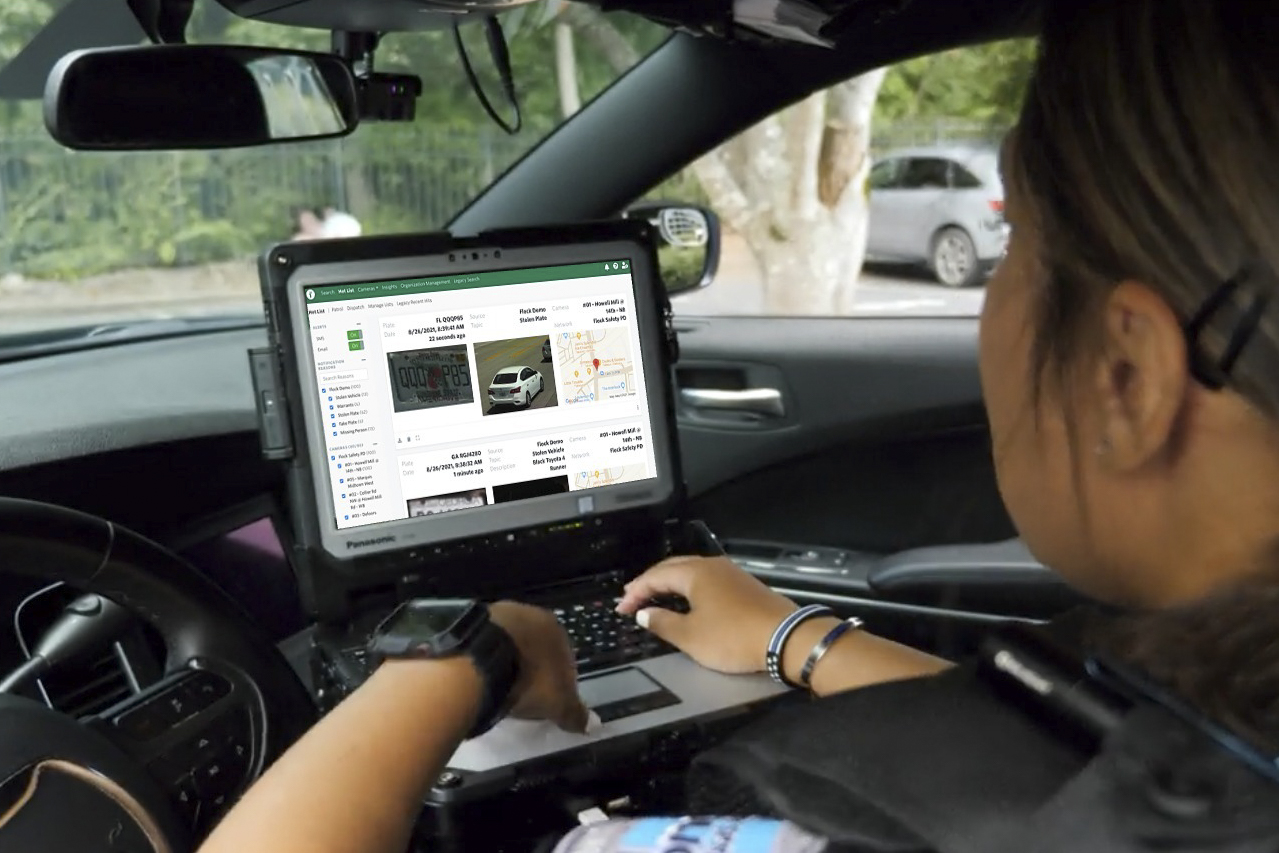 Law enforcement agencies are deploying vehicle-tracking networks with settings that some advocates say can make local data nationally searchable. (Courtesy of Flock Safety)
Nick Hidalgo, a senior staff attorney with the ACLU of Northern California said the county’s move was encouraging but that it does not go far enough.
“There is no guarantee that rival ALPR vendors will do better,” he said. “These companies market their systems as easy to share with other law enforcement agencies — sharing is by design, and vendors are incentivized to facilitate it.”
A spokesperson for Flock Safety, Paris Lewbel, said in an emailed statement that the company “is proud of the impact our technology has had in helping solve crimes and locate missing people in Santa Clara County and across the state of California.”
Locally, other cities have also taken steps to back away from Flock.
Mountain View’s City Council voted unanimously to end a contract and terminate automatic license plate readers on Tuesday.
Councilmember Ellen Kamei says the city learned a lesson.
“Acknowledging a situation, acting quickly and communicating openly reflects integrity and public service,” she said. “We’ve talked about how our city is known as a community for all, and being a community for all means telling the truth, even when it’s difficult.”
Santa Cruz became the first city in California to sever ties with Flock in January, following similar data sharing problems, which violate longstanding state laws against sharing ALPR data with federal agencies and other agencies out-of-state.