
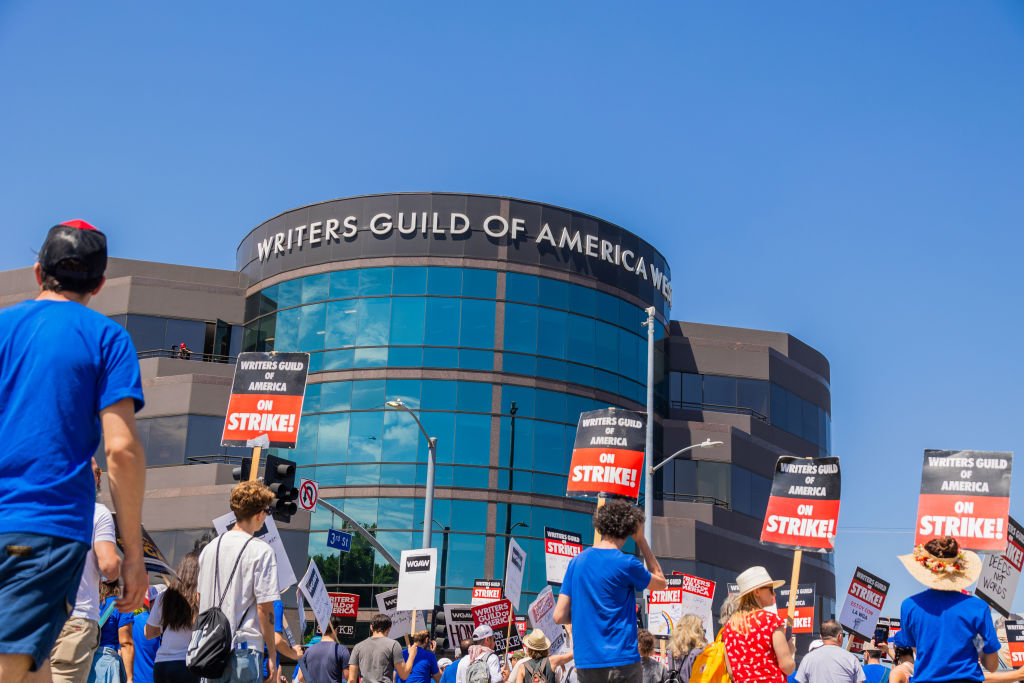
Writers and support staff unite at the Writers Guild of America West in a rare show of solidarity amid contract disputes
Hollywood’s labor landscape saw a notable escalation this week as members of the Writers Guild of America West’s writing community joined support staff on the picket line in Los Angeles.
The unusual alliance comes amid a growing internal dispute over workplace conditions, compensation and labor rights at the guild itself. The action marks a rare moment in the guild’s history, with writers publicly backing staff in their fight for a first union contract.
It also comes just weeks before the Writers Guild prepares to sit down with studio and streaming executives for major industry negotiations.
At the center of this conflict is the WGA West Staff Union, a group of more than 100 employees who perform essential functions for the guild. Their work ranges from processing residuals and contracts to communication and legal support.
What Sparked the Strike
The WGA West Staff Union has been negotiating its first contract with WGA West management since last fall. Those talks began in September 2025 after staff voted overwhelmingly to join the Pacific Northwest Staff Union. Last month, more than 80 percent of the staff voted to authorize a strike if no agreement was reached.
They cited concerns over wages, benefits and protections, especially in the face of rising living costs in Southern California.
The staff union has also raised issues around job security and the use of artificial intelligence in workplace processes. Many staffers argue that current management proposals do not include adequate protections or clear grievance procedures.
When talks failed to produce a contract by mid-February, the staff union called an unfair labor practice strike. Picket lines formed outside the guild’s headquarters near Fairfax Avenue and Third Street in Los Angeles.
Scroll to continue reading
Writers Stand with Staff
What makes this moment unique is the high-profile support from WGA West members – the screenwriters and TV writers who usually drive Hollywood’s labor fights. Several well-known writers joined staff picketers, bringing visibility and industry attention to the union’s demands.
“This sucks,” one writer said on the picket line, expressing frustration with the situation but also solidarity with staff members. Writers note that staff do much of the behind-the-scenes work that keeps the guild operating smoothly.
Writers walked with staff down the sidewalk, carried signs and chanted in support of a fair contract. Their presence sends a clear message that this dispute matters to the broader creative community.
The unity is notable given the guild’s recent history. In 2023, WGA West members participated in a major strike against Hollywood studios and streamers over wages, residuals and artificial intelligence issues. That work stoppage lasted months before a new industry contract was reached.
Management Response and Next Steps
Guild leadership has responded by saying it respects the staff union’s right to strike.
Officials also maintain that they have been bargaining in good faith and presented comprehensive proposals during nearly 20 negotiating sessions. Still, employees and their supporters say negotiations have stalled.
Picketers have said progress on core issues is too slow and that the guild is not ready to meet workers’ demands.
Meetings between staff representatives and management have taken place during the strike, but both sides describe the talks as difficult. Despite that, neither side has walked away from the table.
Some Hollywood observers see this dispute as part of a larger pattern of labor activism in entertainment. But with SAG-AFTRA actors and WGA writers entering negotiations with studios in the coming weeks, the industry’s labor landscape could see further shifts.
Why It Matters to Hollywood
For decades, the Writers Guild of America West has been one of the most powerful labor voices in Hollywood. Its members have fought historic strikes and secured better wages and working conditions for writers across film, television and digital media.
Now, with staff joining writers on the picket line, the guild finds itself grappling with a labor conflict of its own.
The outcome could shape how entertainment unions negotiate internal contracts and how support staff is treated in the future.
As talks continue, picketers remain steadfast in their demands for fair pay, protections and respect.