
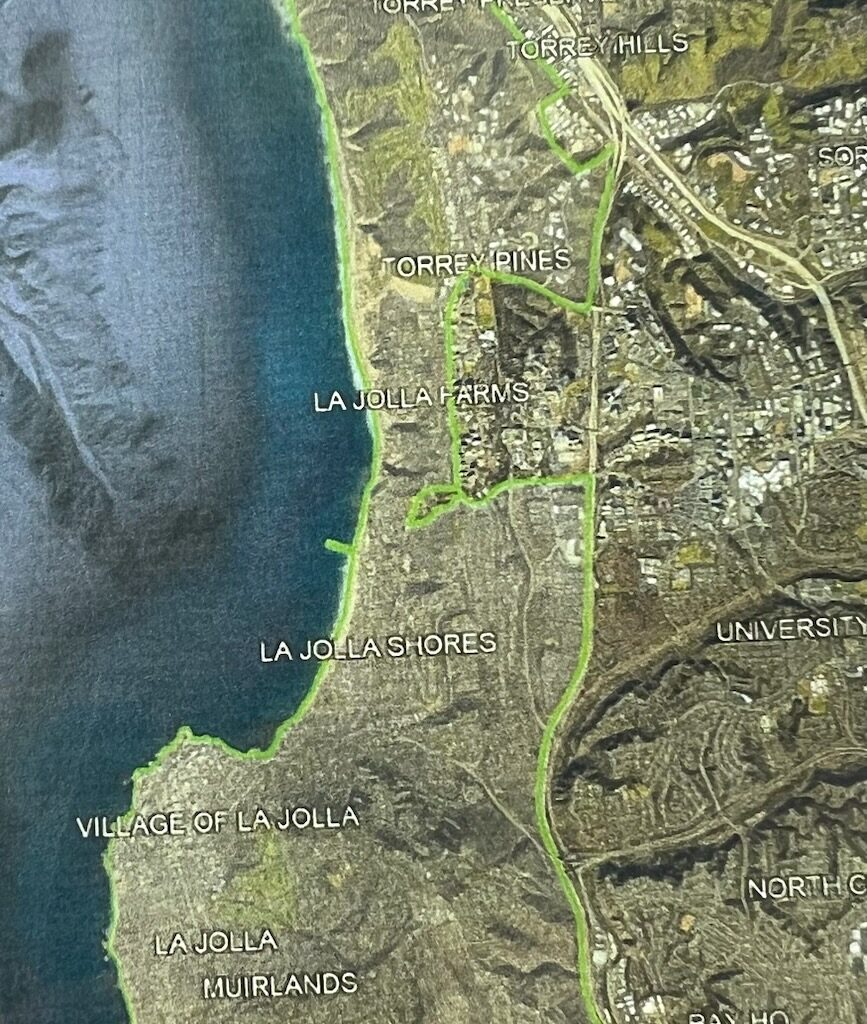
The San Diego City Council unanimously agreed to pay $116,000 in legal fees associated with its battle with the Association for the City of La Jolla, which is working to have La Jolla detach from San Diego and become its own city.
The council voted Feb. 24, without a presentation or questions, to authorize the payment from its Public Liability Fund to cover attorney fees and other costs related to the city’s unsuccessful lawsuit challenging the San Diego Local Agency Formation Commission’s actions during the cityhood process.
City Council President Joe LaCava, whose District 1 includes La Jolla, moved to adopt the resolution authorizing the payment, which was deemed necessary after the city decided not to appeal a recent court decision favoring ACLJ.
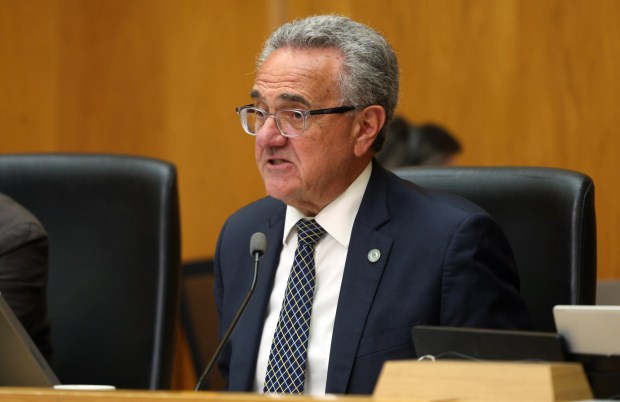 San Diego City Council President Joe LaCava speaks during a council meeting in June. (Hayne Palmour IV)
In June, the city filed a lawsuit calling on the Local Agency Formation Commission — which provides guidance to communities seeking to become cities — to rescind a ruling allowing La Jolla’s cityhood effort to move forward. On April 29, LAFCO had issued a “certificate of sufficiency” indicating ACLJ had gathered the required number of petition signatures to keep the movement alive.
The lawsuit sought to stop LAFCO and its executive officer, Keene Simonds, from proceeding with the cityhood process, which includes launching an administrative review of the application filed by ACLJ in January 2025.
The dispute centers on LAFCO’s actions during the process of verifying the petition signatures, which ultimately reversed the San Diego County registrar of voters office’s initial determination that ACLJ’s petition drive had failed to gather enough valid signatures.
The city also contended the La Jolla cityhood review process would impose “substantial irreparable harm” on San Diego due to the costs associated with staff time required for the next steps and that dedicating staff members’ time to that process would take away from “performing their core functions.”
ACLJ responded with a court motion arguing that the city’s case was a strategic lawsuit against public participation, or SLAPP, calling it a “meritless attempt to obstruct democratic participation and silence a public interest effort through costly litigation.”
In October, Superior Court Judge Judy Bae granted ACLJ’s motion, dismissing the city’s lawsuit and allowing LAFCO to move to the next steps in the process.
The city had the option to appeal Bae’s ruling but decided not to. As a result, the city must pay ACLJ’s legal fees.
The next steps in the process include selecting a consultant to complete a comprehensive fiscal analysis. A preliminary analysis was completed early last year by Richard Berkson of urban economics company Berkson Associates, but the final study will dive deeper into the facts and figures.
In January this year, ACLJ and LAFCO released a request for proposals to find a consultant, with a deadline of Tuesday, March 10, for candidates to respond.
“We have a selection team composed of representatives from LAFCO, the city of San Diego, the [San Diego Regional] Chamber of Commerce, [applicable] San Diego city unions and us that will review the proposals and select a contractor that we hope to engage by April 1,” said ACLJ President Diane Kane. “In the meantime, we are adding to our board, polishing our messaging and actively fundraising for this next phase in the LAFCO process.” ♦