
If a driver runs a red light and no police officer is there to witness, does it really count?
A new California law will authorize automated traffic cameras at limit lines, intersections and in other places where drivers are required to be stopped.
Senate Bill 720, authored by Sen. Angelique Ashby, D-Sacramento, will allow cities and counties to opt in to speed camera programs.
Here’s what to know:
What is SB 720? How does it change existing law?
SB 720 will authorize the use of traffic cameras in cities by allowing said cities to opt into a red light camera program, according to the state’s website.
The existing law, AB 645 passed in 2023, authorized a five-year pilot program to establish the Speed Safety Pilot Program in the cities of Los Angeles, San Jose, Oakland, Glendale, Long Beach and the city and county of San Francisco, according to CalMatters.
This new red light camera program is meant to address issues from the existing traffic camera program including lowering fines for first-time violations at $100.
Additionally, the new bill will make citations go to the vehicles, not the driver. And vehicles can be subject to escalating civil penalties.
The difficulty of collecting payments from drivers has led some law enforcement agencies to determine that the red light cameras were not worth the investment, according to previous reporting from The Bee. The Sacramento County Sheriff’s Office shut down its program last year, citing the cost. A spokesperson for the agency, Sgt. Amar Gandhi, said at the time that “the program was intended to be cost-neutral,” but that in reality, the program operated at a deficit as law enforcement and court personnel struggled to collect fines.
The law also mandates that revenues from fines go directly to safe street infrastructure.
An important difference between the former law and SB 720 is that the new law emphases equity and privacy protections.
The law notes that traditional enforcement methods have had a “well-documented disparate impact on communities of color, and implicit or explicit racial bias in police traffic stops puts drivers of color at risk.”
“Automated traffic enforcement systems can advance equity by improving reliability and fairness in traffic enforcement while making enforcement of violations of traffic control signals more predictable, effective, and broadly implemented, all of which help change driver behavior,” according to the law.
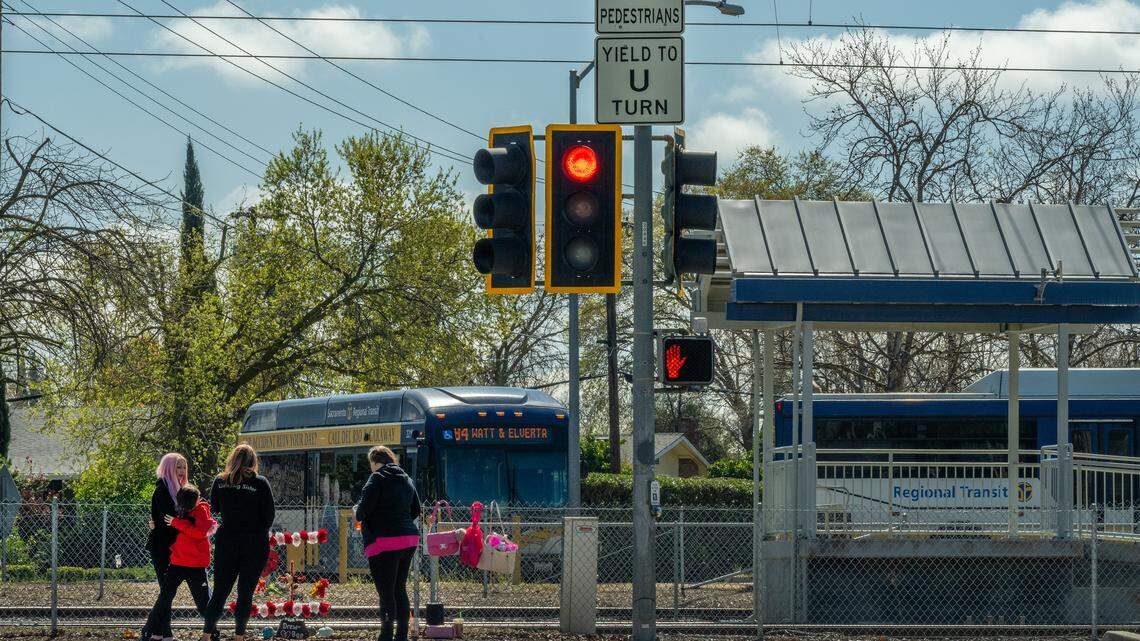
A red light at the intersection of Broadway and Land Park Drive in Sacramento on Wednesday, April 19, 2023. Sacramento Bee file How bad are accidents at intersections?
Approximately 1,149 people were killed and more than 107,000 were injured in crashes from vehicles running red lights in 2022, according to the Insurance Institute for Highway Safety.
The same institution found that cameras reduced the fatal red light running crash rate of large cities by 21%, and the rate of all types of fatal crashes at signalized intersections by 14%.
How would I know if a camera is near my city or county?
Participating cities or counties must adopt and make public a speed safety system impact report before implementing the program.
It also requires the participating area to engage in a public information campaign at least 30 days before implementing the program, including information relating to when the systems would begin detecting violations and where the systems would be utilized, according to CalMatters.
Areas would be required to issue warning notices rather than fines for violations within the first 60 days of the program.
Loading…
Related Stories from Sacramento Bee

The Sacramento Bee
Veronica Fernandez-Alvarado is a service journalism reporter at The Sacramento Bee. She previously worked at the Star Democrat in Annapolis, Maryland. Veronica graduated from Georgetown University with a master’s degree in journalism.