
On Feb. 19, the Berkeley City Council’s Public Safety Policy Committee unanimously approved a motion to reinstate the limited use of tear gas and lift the temporary moratorium on the use of smoke and pepper spray, despite overwhelming opposition from public commenters.
While the Public Safety Policy Committee passed the motion, it does not directly pass legislation into law.
Authored by District 1 Councilmember Rashi Kesarwani and sponsored by Councilmember Mark Humbert, the proposal reinstating limited use of tear gas would allow the Berkeley Police Department’s Special Response Team to use tear gas in circumstances involving significant risk of injury or death while preserving the ban on its use for crowd control.
Additionally, Kesarwani’s proposal could lift the temporary suspension of the use of smoke and pepper spray.
“We believe that the recommendation to end the moratorium on smoke and pepper spray, which was originally enacted in response to the COVID-19 pandemic, is operationally sound,” said BPD Deputy Chief Jen Tate.
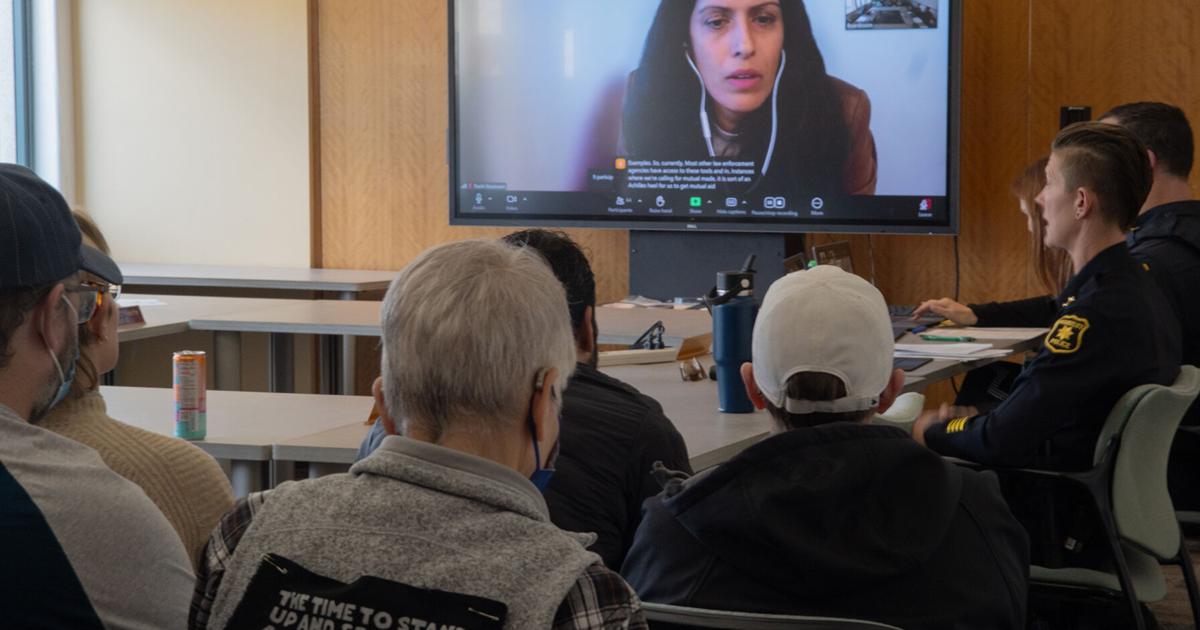
Approximately 50 community members attended the Feb. 19 meeting over Zoom and in person. During the public comment section, more than half of the attendees expressed their resistance to the proposals to lift tear gas, smoke and pepper spray restrictions.
Kesarwani added that, in high-risk situations such as an active shooting or U.S. Immigration and Customs Enforcement surge, she “could see our police department and mutual aid agencies needing to use smoke to protect people.”
“It is governed by our use of force policy and has to be objectively reasonable and proportional to whatever is happening, and is also still subjected to all of our reporting requirements under our data support policy, so with that, the officer would have to document it in their police report,” Tate said.
Members of the public expressed their disappointment with the timing of this proposal, calling Kesarwani’s recommendation, made Jan. 26, two days after the fatal shooting of Alex Pretti by ICE agents in Minneapolis, “abhorrent.”
Public commenters, including Berkeley Copwatch and Berkeley Unified for Community Safety members, further acknowledged persisting health risks exacerbated by the pandemic, historical misuse of chemical agents against protesters and the alleged lack of police accountability.
The Public Safety Policy Committee unanimously approved the item with the added qualification of increased specificity regarding the situational use of pepper spray and critical incident definitions.
The committee tabled a separate resolution rescinding the restriction on the use of air support, canine units and updating mutual aid policies for the next meeting.
“We need oversight and need a police department that truly protects and serves the community,” said one public commenter.