
After the U.S. and Israel carried out strikes this weekend against Iran, which responded with counterstrikes, the ripple effects of this conflict are already spreading globally in many ways, including in travel, shipping, and energy prices.
Travel
Following the strikes, airports in the Middle East shut down, and more than fifteen hundred flights headed to the region were cancelled. Travelers from all over the globe were impacted, including in the Bay Area.
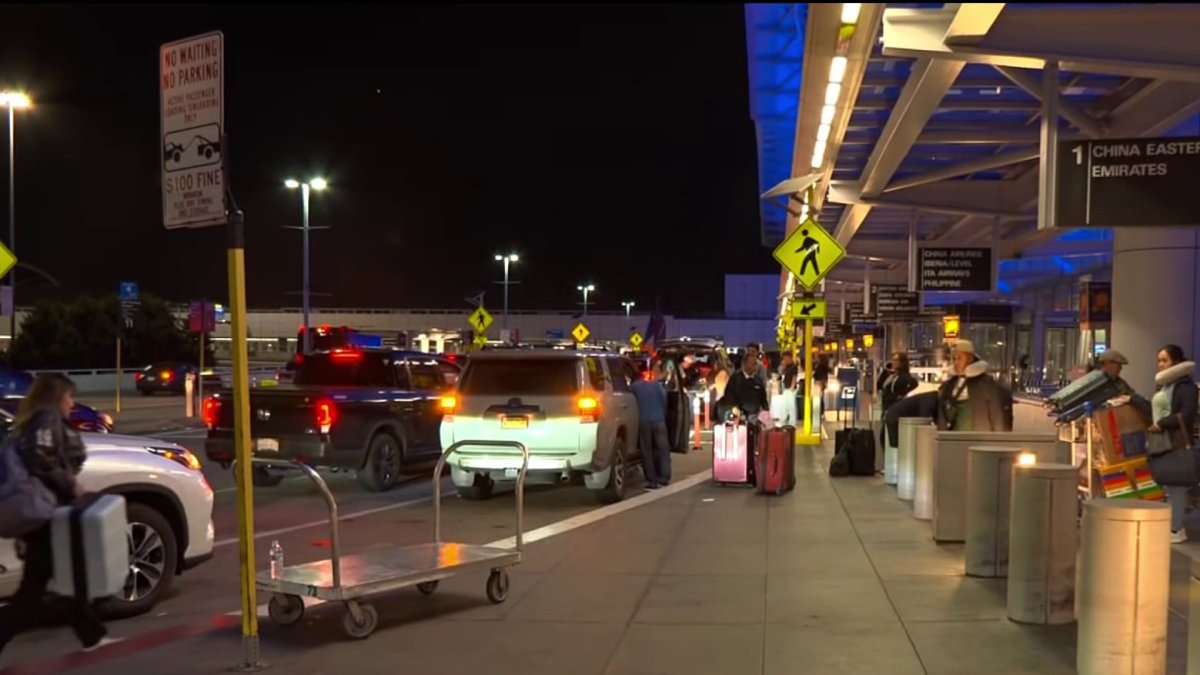
At San Francisco International Airport, the airport duty manager said that nonstop flights with Emirates and Qatar Airways had been cancelled indefinitely as of Saturday, and that flights with Air India were being rerouted to go around the region.
Henry Harteveldt, a San Francisco-based airline industry analyst with Atmosphere Research Group, explained that those rerouted flights mean that the flight time can be hours longer for passengers.
“It’s going to be very difficult to reach the Middle East as well as the Indian subcontinent from the Bay Area, in fact, from almost anywhere in the world right now,” Harteveldt said.
He added that it is difficult to know exactly how long these impacts will last, so for the time being international travelers — and particularly those traveling anywhere near the Middle East — should prepare for potential changes and delays.
Travelers at SFO on Sunday said they had been following news of the air strikes and their impact on travel.
“We heard that Dubai closed their airports, so we were wondering if the overflow would affect us also,” said Davy Chea, who was helping her cousin travel to Cambodia. Chea was relieved to hear that her cousin’s travel would not be impacted.
Larry Vollman of San Jose, who was traveling to Australia, said, “Because of the conflict in the Middle East, they said there may be problems on some of our flights.”
But Vollman said his flight to Australia was still set to take off on time.
Operations at airports in the Middle East, including a major connecting hub in Dubai, have been affected. Ginger Conejero Saab reports.
Energy Prices
Since these strikes began, the price of crude oil has also surged. U.S. crude oil initially surged 10% and the international oil benchmark surged as much as 13% when trading opened on Sunday.
Patrick DeHaan, the head of petroleum analysis at GasBuddy, explained that so far the strikes are, “destabilizing the flow of oil supply out of the Middle East. “
DeHaan expects that consumers will see an uptick in gas prices in the days to come, but not necessarily a “massive spike.”
“I think it’s pretty likely though that gas prices over at least the next one to two weeks, as a result of the Iran situation, will continue to go up,” he said, adding that how long this lasts will be determined by what happens next with the conflict.
DeHaan also noted that other factors may impact the prices you see at the pump as well, including seasonal high gas prices, and for Californians changing energy standards plus the closure of the Valero refinery in Benicia.
Shipping
The impacts of this conflict may trickle down into consumer goods as several shipping companies announced plans to change their routes.
The company Maersk announced it is rerouting ships away from the Suez Canal “due to the deteriorating security situation in the Middle East.”
A spokesperson for the Port of Oakland said Sunday said it was to early to tell whether these shipping changes may impact Oakland.