
Alcohol sales may no longer be the answer
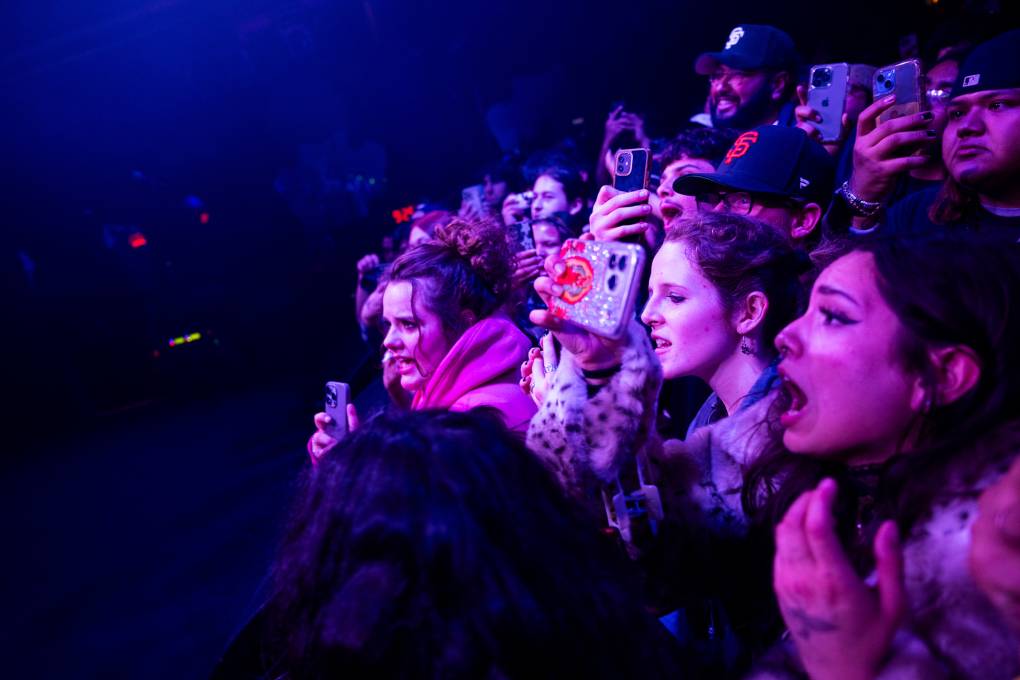
Another challenge for venues is that Gen Z drinks less than any previous generation. “Which is really great for them and really bad for us,” Schwarz said.
Several of the panelists lamented that their business model hinges on bar sales when music is the heart of what they do. Katie Rose, the co-owner of Kilowatt, was listening in the audience and passionately agreed. “It sucks that we have to consider art being associated with drinking,” she told KQED after the panel. “If we could find a way to change that, I think a lot of that might come with grants from the city so that music venues don’t have to make decisions based on alcohol sales.”
Bondi said the Faight is in the process of starting a nonprofit so that it can apply for grants to fund some of its events, which skew young, D.I.Y. and experimental. “We are first and foremost a community space,” he said. “Our whole mission is to give artists and musicians a platform to grow.”
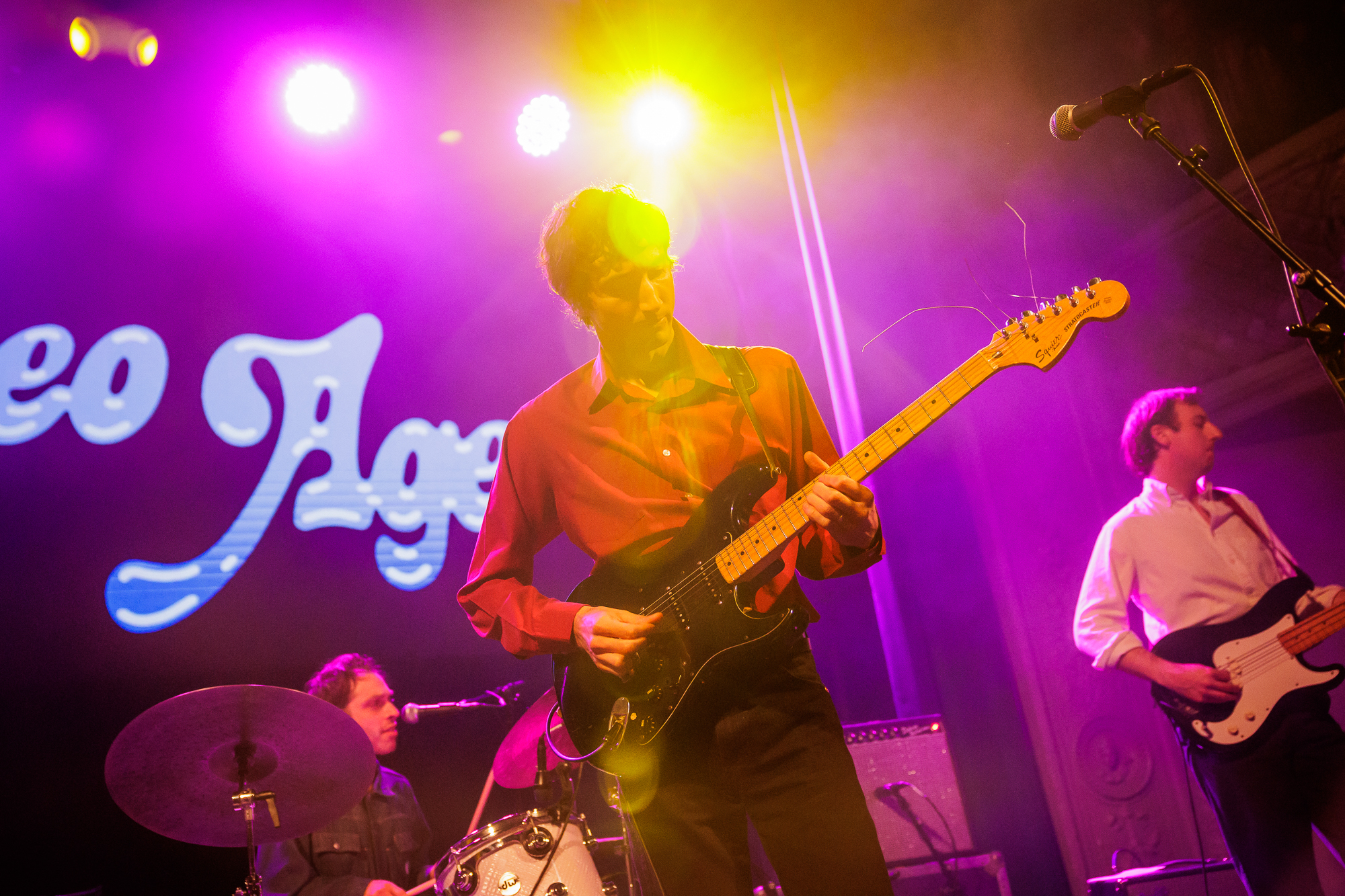 Video Age opens for Gepgrapher at August Hall in San Francisco as part of Noise Pop on Feb. 21, 2025. (Martin do Nascimento/KQED)
Reducing city costs
Venue operators praised several new programs that have cut down their operating costs in recent years. One is a relatively new Type 90 liquor license for entertainment venues. Liquor licenses used to run clubs upwards of $150,000, but the Faight got their Type 90 license for $25,000, Bondi said.
“It’s massive. Wouldn’t have been able to start otherwise,” he added.
Off stage in a follow-up conversation, Docto of August Hall gave props to a new parking permit reform in San Francisco that reduces the costs for venues to park tour buses outside their doors. Docto said August Hall anticipates saving $30,000 on parking alone this year. “It’s not breaking the bank anymore,” he said.
How artists and fans can support their favorite small venues
Several panelists pointed to the success of the Castro Theatre, a historic movie palace that Another Planet Entertainment recently reopened as a mixed-use entertainment venue. British hitmaker Sam Smith recently sold out a 20-show residency there.
“That gives them a raging start to their financial year,” Bondi said.
“I think artists also do have some power here, like maybe push back against the agents” who want them to play bigger clubs, he argued. “Be like, ‘No, I want to play Bottom of the Hill. I want to do a three-night run there, and we’re gonna sell the place.’”