
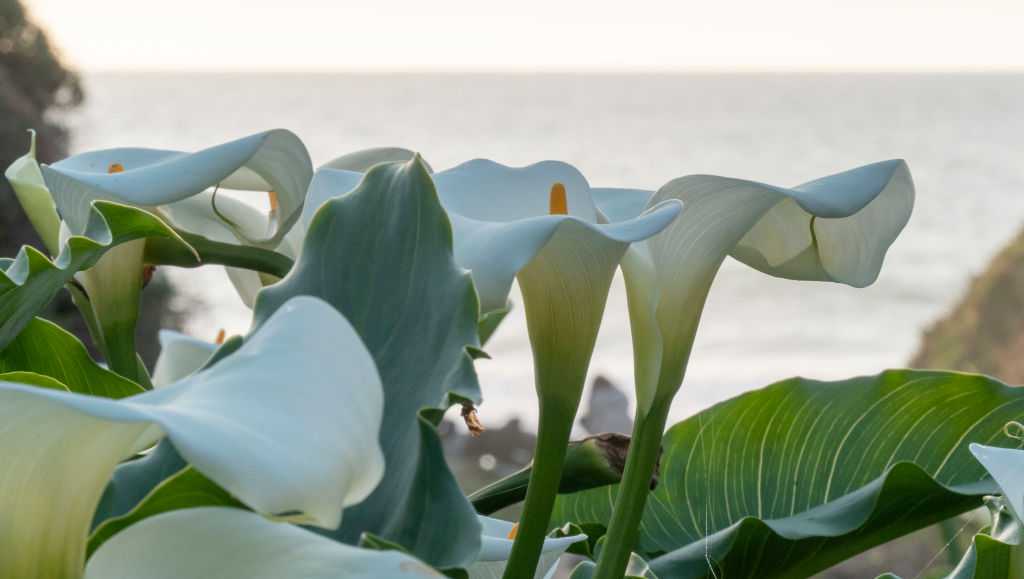
Calla Lily Valley at Garrapata State Park has long been a social media draw, with photos and videos of the blooms frequently going viral on platforms such as TikTok and Instagram.Now, California State Parks officials say some of the flowers have been damaged. Monterey District Chief Ranger Mike Dippel said someone cut down some of the calla lilies in recent days. Calla lilies are considered an invasive plant.The calla lily is not native to California, despite being found along the state’s coast. It is native to South Africa, where it is grown as an ornamental plant. The flowers are commonly found in wetlands and coastal prairies.“It is illegal to go down in there and remove them,” Dippel said, noting the plants are in a state park. Vegetation in state parks is protected under the California Code of Regulations, which prohibits removal or destruction. Anyone caught injuring or taking plants could face a citation that may be charged as an infraction or a misdemeanor, depending on the severity.Dippel said he does not know why the flowers were removed.“I would recommend just staying on the trail down at Garrapata and all our other state parks,” he said. “Do your best to try not to step on any plants, whether they are native or invasive.”
MONTEREY COUNTY, Calif. —
Calla Lily Valley at Garrapata State Park has long been a social media draw, with photos and videos of the blooms frequently going viral on platforms such as TikTok and Instagram.
Now, California State Parks officials say some of the flowers have been damaged. Monterey District Chief Ranger Mike Dippel said someone cut down some of the calla lilies in recent days. Calla lilies are considered an invasive plant.
The calla lily is not native to California, despite being found along the state’s coast. It is native to South Africa, where it is grown as an ornamental plant. The flowers are commonly found in wetlands and coastal prairies.
“It is illegal to go down in there and remove them,” Dippel said, noting the plants are in a state park. Vegetation in state parks is protected under the California Code of Regulations, which prohibits removal or destruction. Anyone caught injuring or taking plants could face a citation that may be charged as an infraction or a misdemeanor, depending on the severity.
Dippel said he does not know why the flowers were removed.
“I would recommend just staying on the trail down at Garrapata and all our other state parks,” he said. “Do your best to try not to step on any plants, whether they are native or invasive.”