
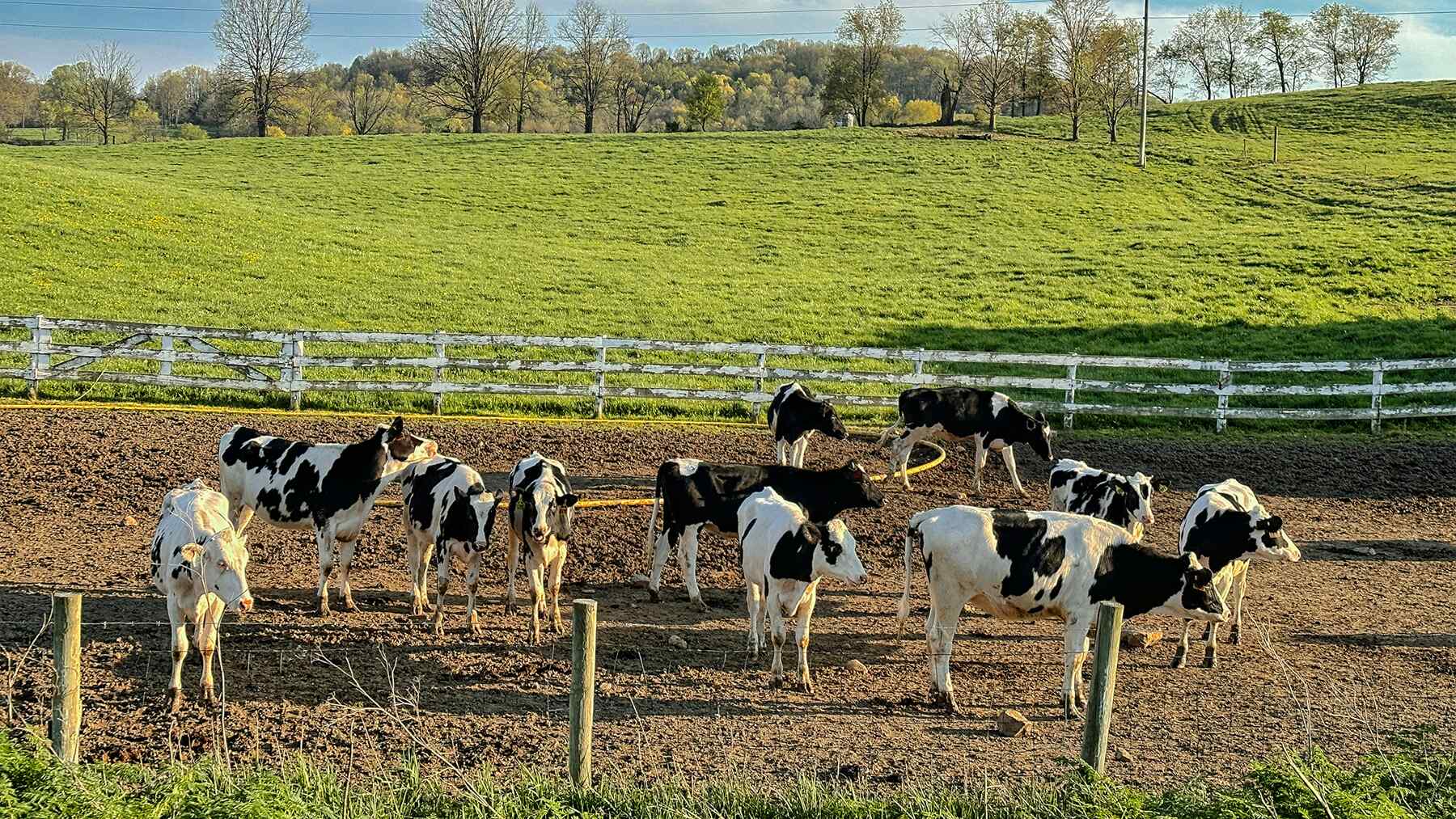
A cow’s manure is no longer useful only when spread. Piling it up under the latest advanced technology could generate an income.
The bigger the stink, the bigger the value. What started as an inconvenience in the form of farm waste is now valuable, sustainable fuel.
The benefits of using cow manure for biofuel beat carbon-heavy oil through and through.
But will it be enough to move interest away from Venezuela’s oil?
How choosing crude over the environment is rude
Green is the new black.
Sustainability and renewable energies have been named the saviors of the planet. Various nations and stakeholders have prioritized green initiatives to keep their carbon footprints low.
Significant advancements have been made in renewable energy technologies to realize these initiatives. As a result, many sectors have become more eco-friendly.
However, some industries remain hard to knock down.
Crude oil is a key player in carbon-heavy industries, especially for energy production and transportation. For aviation, crude oil is essential for jet fuel.
Fortunately, the aviation industry is being pressured to adopt more eco-friendly fuels.
Oil-based jet fuel has always been preferred for its cost-effective, concentrated energy. The U.S. is even going to extremes to get its hands on Venezuela’s large heavy crude oil reserves.
Could a California-based startup’s new technology for eco-friendly fuels be the distraction the U.S. needs?
California startup wants to make aviation greener
Since Venezuela re-entered the oil market, the U.S. and several other nations have been seeking access. The U.S. has gained traction in local oil and gas production, but it is far from being satisfied.
Beyond trying to feed the endless hunger of data centers and AI, the American aviation market also has significant demands. It is one of the burdens of being the biggest aviation market in the world.
With hundreds of millions of passengers traveling each year, just imagine the impact it has on the environment. Sure, fuel efficiency has significantly improved since 1978, but it remains a major carbon dioxide emitter.
It is no wonder that incorporating eco-friendly fuels, or sustainable aviation fuels (SAFs), is now becoming mandatory.
For airlines, this is a significant obstacle, but for Circulatory Fuels, it became a golden opportunity. The answer to America’s aviation fuel dilemma lies with cows.
Cow manure: From farm waste to generating gold energy
SAFs and several other renewable fuels have been added to oil and gas companies’ low-carbon portfolios. Now, biofuel could end up being a gold mine, especially for farmers.
Circulatory Fuels developed an “Ouro Reactor.” This reactor can change the biogas from cow manure into synthesis gas (syngas), a SAF precursor.
“We’re giving them the ability to turn waste into a profitable product that airlines desperately need.” – Dr. Stephen Beaton, Circularity Fuels founder and CEO
This was proven at a California Central Valley dairy farm. Methane and carbon dioxide were captured in a covered lagoon digester. The electric-powered Ouro Reactor then changed it into syngas.
This saves significant production and infrastructure costs.
The syngas itself is stable, regardless of potential contaminants, and it does not require pre-treatment. Logistics is also made affordable and easy when the process is paired with small-scale Fischer-Tropsch systems.
Farmers thus now have the option to produce their very own SAF for profit.
Circulatory Fuels successfully demonstrated the high profitability potential of cow manure for biogas in 2025. This year, the technology will undergo commercialization, which means you’d better start looking after your cows.
Cows may not be jumping over the moon, but they will start to fuel airlines sustainably worldwide.
For now, nations like Australia are investing in traditional biofuel tech, another possible “next best thing” in energy.
Disclaimer: Our coverage of events affecting companies is purely informative and descriptive. Under no circumstances does it seek to promote an opinion or create a trend, nor can it be taken as investment advice or a recommendation of any kind.