
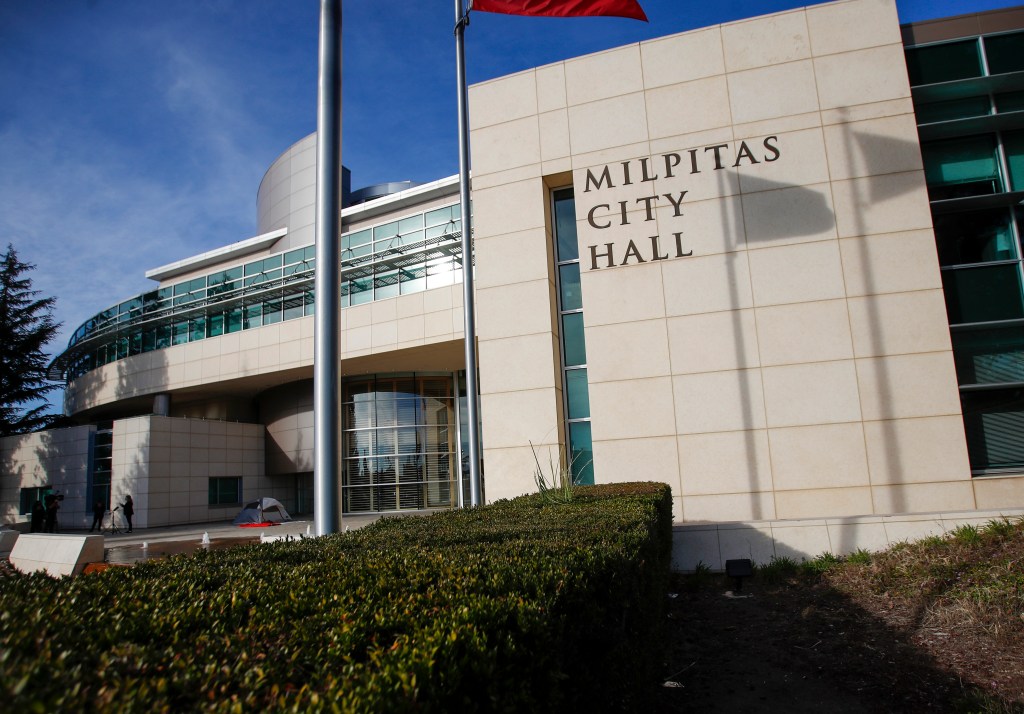
Though Milpitas faces a multimillion-dollar budget shortfall in the next five years, it’s still a marked improvement over forecasts from last year, according to city officials.
“We know that there’s still more work ahead of us,” said Acting City Manager Jared Hernandez at Tuesday’s meeting. “We’re not declaring victory yet, but we are saying that we’re in a much better position.”
Last year, the city predicted a $28.5 million budget shortfall by 2030. Since then, the city has cut positions and tightened spending to reduce that number by more than half by 2030, and expects a slight surplus for the next year.
“Balancing the budget is paramount, and it seems like you all did a great job,” said Milpitas Mayor Carmen Montano to staff at the meeting.
But the longer term fiscal picture is murkier. While revenue from taxes is largely expected to grow over the coming years, the cost of running the city is expected to grow faster, with salaries and benefits making up the bulk of the city’s spending. After 2028, the city expects a budget shortfall that will grow by millions each year to an expected $19.2 million in 2031.
The forecast troubled some on the council, who peppered staff with requests for more information on how to fix the city’s financial future and expressed their anxiety over the impending budget hole.
“Just by looking at this, I’m already concerned,” said Councilmember Evelyn Chua of the rising costs and the predicted deficit increase. “It should be the other way around — It should be decreasing.”
The city also faces challenges familiar to many others across the state: hybrid work and online shopping that have cut back on retail and commercial development, issues with federal and state funding that could make some residents rely more heavily on city-level services, potential instability from tariffs and federal policy, and stagnating job growth across the state.
Still, Milpitas Financial Director Luz Cofresí-Howe maintained that the budget could be brought to a healthier place, and lauded the “extraordinary” efforts of city staff to cut back the predicted deficit. She points to a newly opened facility by electric vehicle manufacturer Rivian and a coming Amazon warehouse as drivers of tax revenue, and noted that the city was eying a revamp of its 50-year-old business licensing program, which could add more revenue.
“The city will have to make some hard decisions,” said Cofresí-Howe, though she remained optimistic. “Our challenges feel achievable … we are in a strong enough position.”
The city is expected to finalize its budget in early June, holding a series of public hearings and town halls in the coming month to inform the public and the City Council about Milpitas’ financial future.