
California businesses are 95% compliant in removing thousands of kratom and 7-OH products from shelves, according to Governor Gavin Newsom. Kratom is a tropical tree native to Southeast Asia. Its leaves are used as a stimulant substance that can have opioid-like effects. Seven-hydrocymitragynine, also known as 7-OH, is a psychoactive chemical compound found in kratom. It has been made into and marketed as dietary gummies, tablets and drinks.These products are linked to hundreds of overdose deaths. Foods, medical drugs and dietary supplements with these substances are illegal to sell or manufacture in California. The Centers for Disease Control and Prevention (CDC) found that kratom was at least partially implicated in 846 fatal overdose cases in 30 states in 2022. A health department analysis found that kratom was implicated in 242 deaths between 2020 and 2022 in California. Of those deaths, 27 were blamed solely on kratom. In October, the Los Angeles County Department of Public Health announced more fatal overdoses tied to kratom with alcohol present. The six victims were otherwise healthy with no additional substances identified as contributing to their deaths. The California Department of Public Health issued a warning saying all products containing the two substances were illegal and dangerous later that month. Since then, more than $5 million worth of products have been seized. The state’s Department of Alcoholic Beverage Control began visiting licensed stores on January 19 before full enforcement of the illegal products was implemented on Feb. 9. Agents have since found nearly all licensed locations have been in compliance with the ban of kratom and 7-OH products. Only 61 violations were reported.
SACRAMENTO, Calif. —
California businesses are 95% compliant in removing thousands of kratom and 7-OH products from shelves, according to Governor Gavin Newsom.
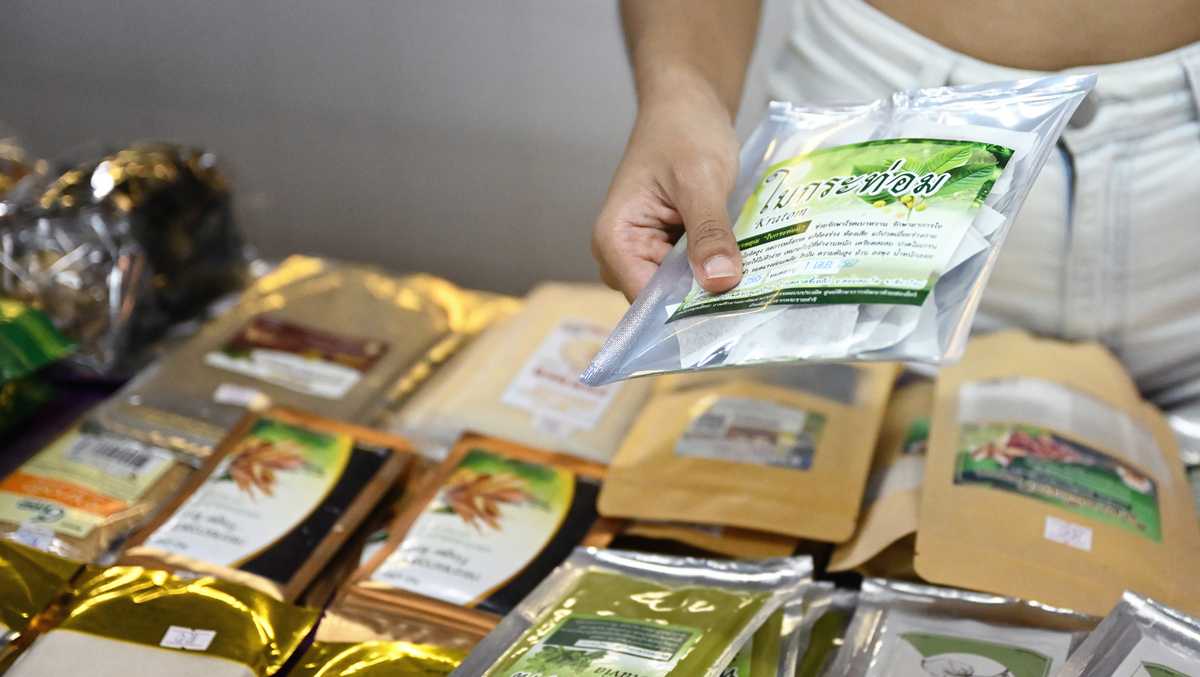
Kratom is a tropical tree native to Southeast Asia. Its leaves are used as a stimulant substance that can have opioid-like effects. Seven-hydrocymitragynine, also known as 7-OH, is a psychoactive chemical compound found in kratom. It has been made into and marketed as dietary gummies, tablets and drinks.
These products are linked to hundreds of overdose deaths. Foods, medical drugs and dietary supplements with these substances are illegal to sell or manufacture in California.
The Centers for Disease Control and Prevention (CDC) found that kratom was at least partially implicated in 846 fatal overdose cases in 30 states in 2022. A health department analysis found that kratom was implicated in 242 deaths between 2020 and 2022 in California. Of those deaths, 27 were blamed solely on kratom.
In October, the Los Angeles County Department of Public Health announced more fatal overdoses tied to kratom with alcohol present. The six victims were otherwise healthy with no additional substances identified as contributing to their deaths.
The California Department of Public Health issued a warning saying all products containing the two substances were illegal and dangerous later that month. Since then, more than $5 million worth of products have been seized.
The state’s Department of Alcoholic Beverage Control began visiting licensed stores on January 19 before full enforcement of the illegal products was implemented on Feb. 9. Agents have since found nearly all licensed locations have been in compliance with the ban of kratom and 7-OH products. Only 61 violations were reported.