
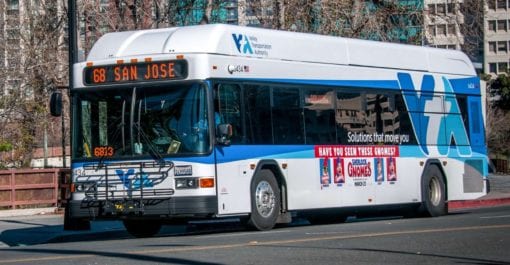
In 2019, I learned about transit signal priority — a technology that gives buses priority at intersections so they don’t sit at red signals unnecessarily.
At the time, I was a 22-year-old college student who rode VTA every day and wished the buses would run faster. At the time, there was a lot of discussion in other cities about flashier, more expensive transit speed improvements, such as bus lanes and bus rapid transit. Those didn’t seem politically possible in San Jose at the time, but transit signal priority did. It didn’t take space away from cars, and it seemed like it could be implemented quickly.
In 2020, I casually mentioned my interest in a “transit first” policy to San Jose Councilmember Pam Foley and her staff. A few weeks later, she brought forward a policy nomination during San Jose’s annual priority setting. The idea was straightforward: If we say we value transit, we should actively prioritize it on our streets.
In August 2022, the City Council adopted a transit first policy. That was a huge moment. But as anyone who’s involved in government knows, passing something is just the beginning. Implementation, coordination, funding and implementing changes like transit signal priority across a city takes time.
We’re finally seeing all that work and patience pay off. Recently, Mayor Matt Mahan announced San Jose has increased bus speeds by about 20% through LYT transit signal priority.
In 2022, when I wrote that putting transit first could make buses faster and more reliable, it was still largely aspirational. Today, those words are measurable. The transit signal priority we discussed in policy memos and council meetings is now helping residents get to where they need to go faster.
There’s often a lot of doomerism around transit. It’s easy to say buses are too slow, transit doesn’t have enough priority and change won’t happen. But it’s much harder to believe in something. It’s harder to sit through meetings, draft policy language, support policy change and follow up year after year — and believe that all of that work will someday make a difference. It does.
Transit didn’t get faster in San Jose overnight. But we started. And because we started and believed that we could put transit first in San Jose, we now have measurable improvements.
If there’s one lesson I’ve learned from this, it’s start anyway. Advocate for what you believe in, even if people tell you you’re going to fail. Bring the idea forward, even if you’re only 22 and don’t think anyone will listen.
Real change often feels slow in the moment. But when you look back six years later, you realize the thing you spoke up for is moving buses faster and your city forward. It’s worth the wait.
San José Spotlight columnist Monica Mallon is a transit advocate and rider in Santa Clara County. Mallon’s columns appear on the first Thursday of every other month. Contact Mallon at [email protected] or follow @MonicaMallon on X.