
The new Section 122 tariffs, if allowed to stand, are estimated to cost the average American household an additional $200 to $600 per year, he added.
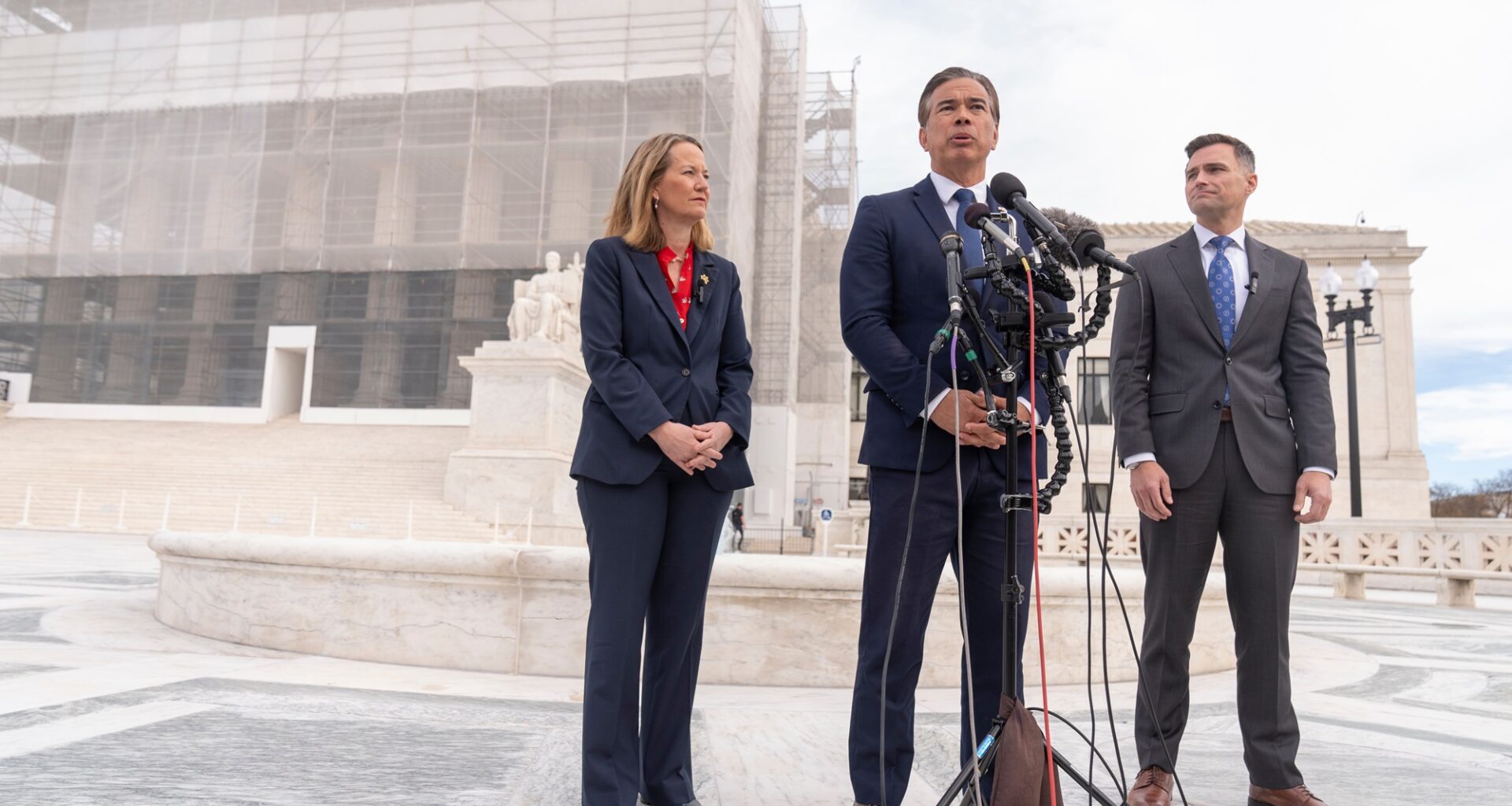
“For the President of the United States, twice, to act unlawfully to raise prices after promising the American people he would lower prices, I think that tells you all you need to know,” Bonta said.
California’s economy has already shown signs of strain from the administration’s trade policy. Businesses in San Francisco’s Chinatown have struggled to stay afloat amid the trade war, and officials at the Port of Oakland warned that tariffs would stifle shipping demand at one of the West Coast’s busiest trade hubs.
California farmers, who depend heavily on export relationships with Canada and other trading partners, have also raised alarms about disruptions to long-standing trade ties.
The lawsuit also challenges Trump’s justification for invoking it. To use Section 122, a president must identify a “large and serious” balance-of-payments deficit — but the complaint argues Trump mischaracterized the term by focusing only on the nation’s goods trade deficit while ignoring a financial account surplus of roughly $1.13 trillion in 2024.
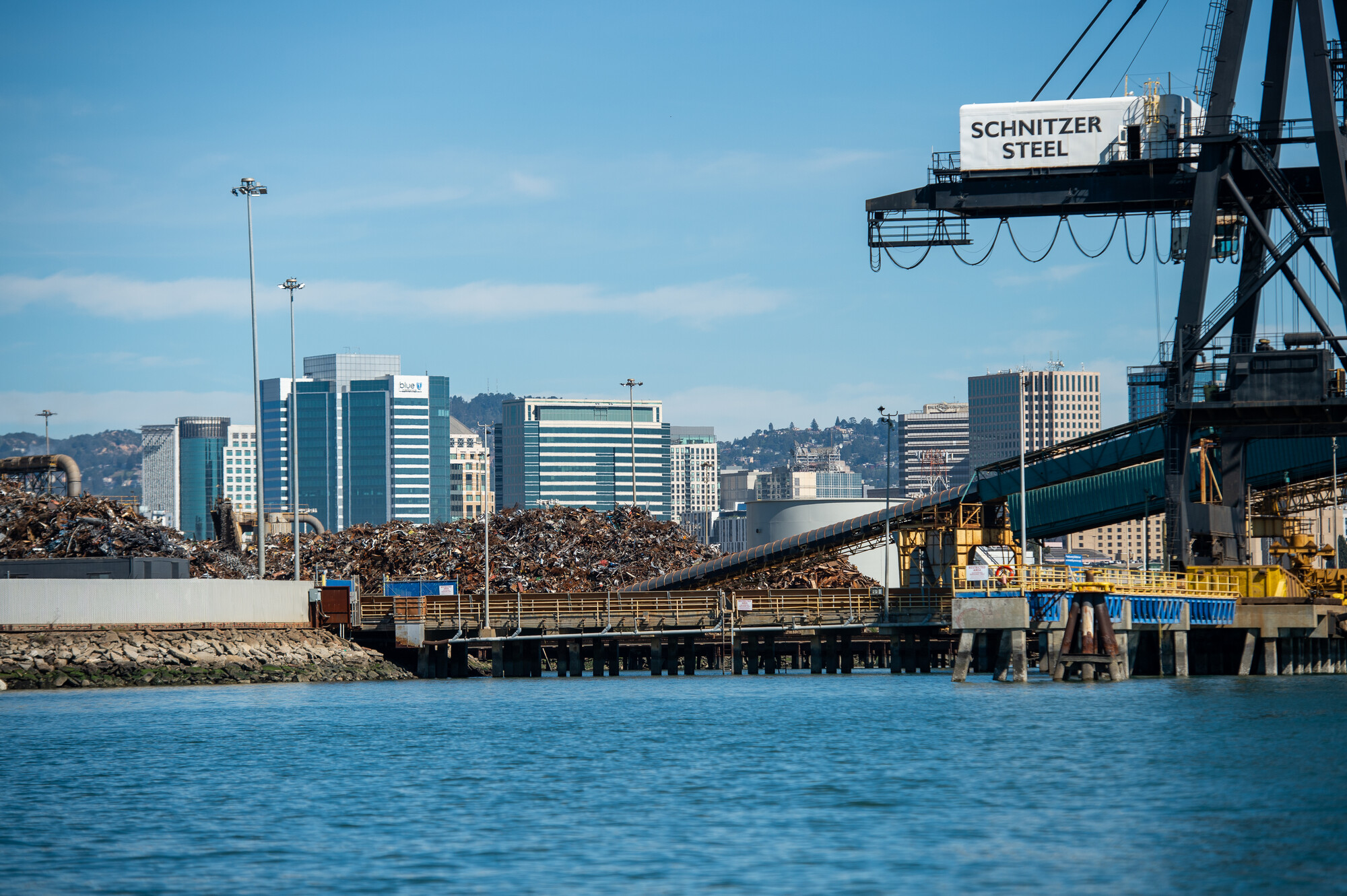 A Schnitzer Steel manufacturing facility shreds scrap metal at the Port of Oakland on March 8, 2022. (Beth LaBerge/KQED)
When all components are properly included, the lawsuit says, the actual U.S. balance of payments position amounted to approximately negative $53 billion, or about 0.2% of GDP.
“A trade deficit is not a balance of payment deficit,” Bonta said. “The president either doesn’t know the difference or he doesn’t care.”
The lawsuit also marks the 60th time California has sued the White House since Trump took office.