
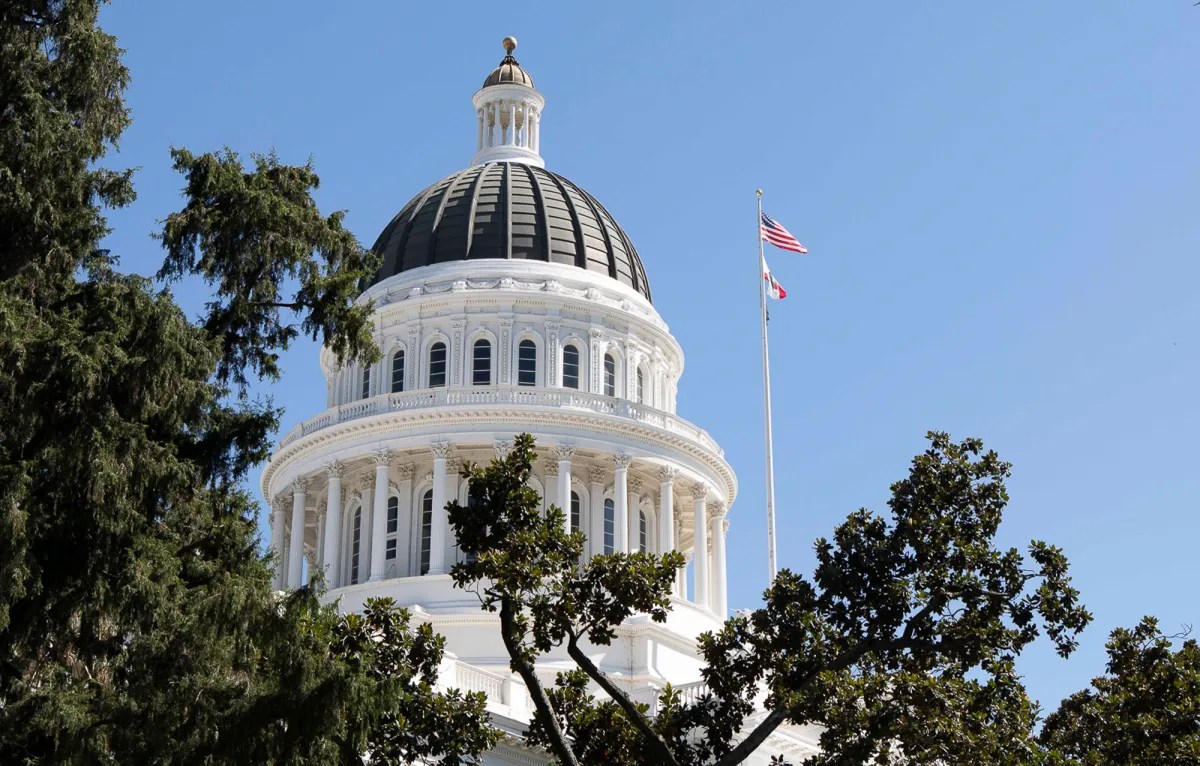
California’s Senate Bills and Assembly Bills impact all avenues of the state, including state-funded universities, like Cal Poly.
Senate Bill 53 drew statewide attention as it moved through the California State Legislature, prompting discussions about regulations on artificial intelligence and its impact on education and careers.
Senator Scott Wiener introduced the bill, known as the Transparency in Frontier Artificial Intelligence Act, amid growing national concerns regarding AI security and public safety. The bill would establish mandatory safety reporting and transparency regulations for large AI developments.
State vs. federal bills
The federal government operates under a federalist system. The system divides government power between the national government and state governments.
Federal bills apply nationwide with a focus on immigration and national security whereas state bills focus on localized issues, primarily consisting of education, state criminal policy and transportation.
All bills, federal and state, receive funding from various sources. Federal bills receive their funding from tax revenue and approved borrowing via congressional bills. State bills gather funding from taxes, specialized state fees and bonds, according to CalMatters. Both legislatures enact budgets at the start of each fiscal year, which begins July 1 in California and Oct. 1 federally.
First steps: drafting and introduction
A bill begins the legislative process through drafting, where representatives submit an idea to legislative counsel to become a bill. Wiener originally introduced SB 53 as SB 1047 in February 2024. Since Gov. Gavin Newsom vetoed the original bill, Wiener proposed a new bill last year with tighter liability provisions and stricter mandated reporting regarding AI misuse, according to CalMatters.
Since the bill began in the Senate, the bill number is preceded by “SB,” but it would begin with “AB” if an assemblymember authored the bill. Senate bills go through the Senate first, then the Assembly while Assembly bills go through the Assembly first, then the Senate.
Proceedings: committee hearings, floor hearings and floor action
After a legislator introduces a bill, the bill moves to committees and hearings, where specialized groups of senators or assemblymembers discuss the bill.
Three major committees categories are standing, fiscal and joint committees, which disclose permanent policy, handle finances and serve as an opportunity for members of both houses to collaborate, respectively. There are over 30 standing and specialized committee hearings within the California Legislature.
The Joint California Policy Working Group on AI Frontier Models oversaw committee hearings regarding SB 53. During the committee hearings, Sen. Wiener presented witnesses to testify in support of the bill.
SB 53 garnered support from public safety progressive AI tech companies, such as Anthropic, Common Sense Media and Youth Power Project, according to CalMatters. Additionally, the bill garnered opposition from the Consumer Technology Association and Silicon Valley Leadership Group.
Breaking down floor votes
Following committee group reviews, after various edits, SB 53 moved to the floor of the Senate. A bill’s edits may include modifying specific regulations and adding or removing bill components.
Once on the floor, committee members will vote on whether to pass the bill through the chamber to proceed to the legislature. If the bill fails to pass through the committee group by passing votes, the bill dies. SB 53 passed through four different senate committees before reaching the Senate floor.
The Senate then debates the bill on the floor. Senators edit the bill further and vote on the floor before then moving to the second chamber: the Assembly. In the Senate, SB 53 passed with 29 supporting and eight opposed. If the bill did not pass through the Senate, it would have died.
Once in the state assembly, assemblymembers further edit the bill and hold votings. SB 53 passed through four different assembly committees before reaching the Assembly floor. If a bill fails to pass through any committee group, it dies.
The bill then moved to the Assembly floor. If the bill does not pass with at least a majority, it dies. SB 53 passed the assembly with 57 support to seven opposed.
Then, the bill is sent back to the Senate for approval. If not approved, the bill dies. If passed, it is presented to the Assembly for a final vote. If not passed, the bill dies.
After passing in both chambers, the bill goes to the executive branch of government: the governor’s office.
Governor action
The bill moves to the governor’s office for final bill approval. If approved, the governor will sign the bill into law. However, if rejected, the bill goes back to the Senate and Assembly, with the option to override the governor’s veto with a two-thirds vote from each chamber. If the veto is not overridden, it dies. Newsom held a 13.4% veto rate in the 2024-25 legislative session, according to CalMatters.