
The City of Cupertino closed applications Sunday, Feb. 1, for its 2026-2027 Community Funding Grant Program, marking the end of this year’s submission cycle for local nonprofits seeking city support. The program provides funding to organizations offering services that benefit Cupertino residents, including food assistance, health education, arts programming and other community-based services.
According to the city, applications open every January to eligible nonprofits. The Parks and Recreation Commission reviews and evaluates proposals before sorting them into a tiered funding structure based on dollar amount requested. They then make recommendations to the City Council, which determines the final funding amounts. The commission evaluates applications based on factors such as community need, the number of Cupertino residents served, the organization’s financial stability and how clearly the proposed funds will be used. The final funding decisions are typically made by the City Council in June.
“Funding is contingent upon the City Council’s General Fund allocation to the program and funding is not guaranteed,” The city said in an email. “To be eligible for a Community Funding Grant, grant requests must be from a 501(c)(3) non-profit organization with experienced members capable of implementing and managing the program. Nonprofits can only be awarded once per project for specific needs, not ongoing, operational costs, or endowment funds.”
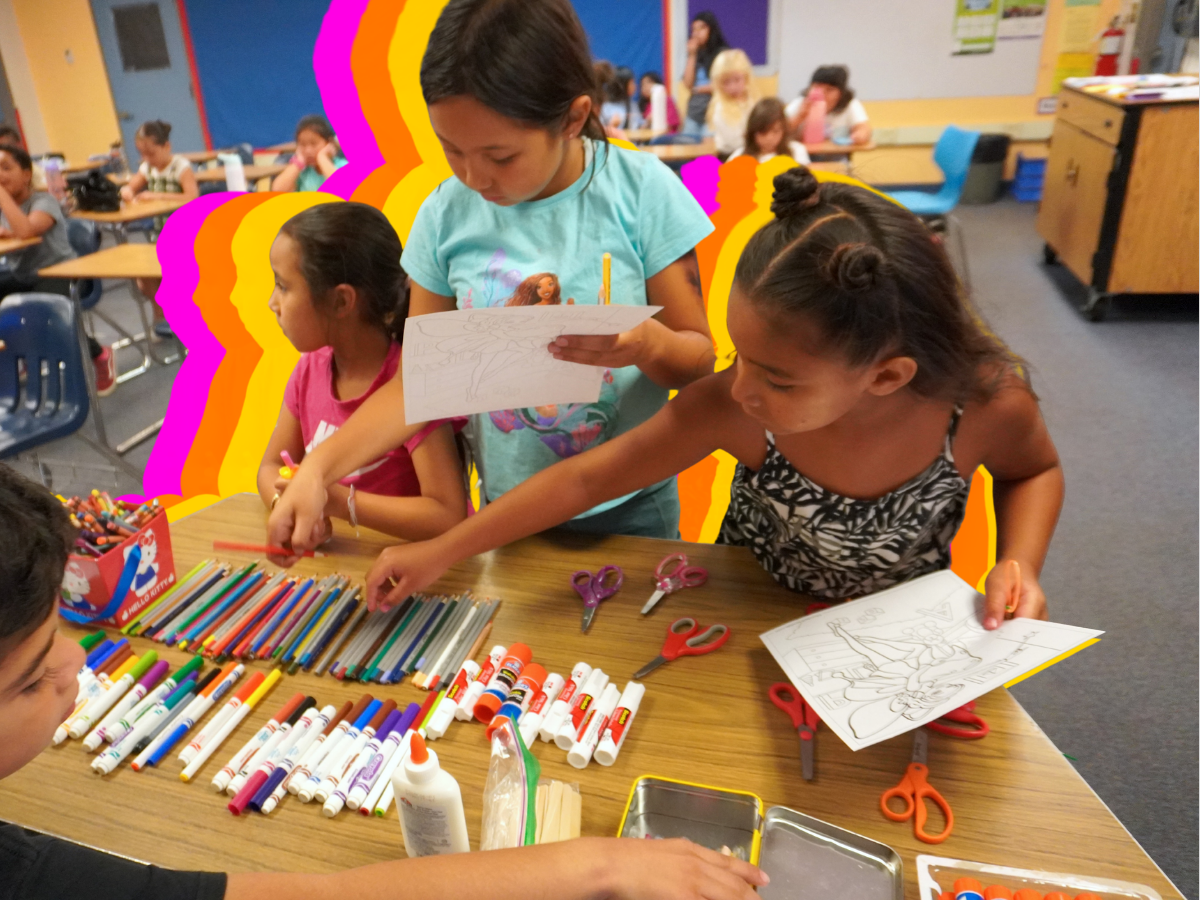
Although this year’s applicants are still awaiting a decision, past recipients say the funding has played a key role in expanding their services and supporting their operations. The city awarded $35,500 to 13 nonprofits through the program during the 2025-2026 fiscal year. Remember the ToothFairy, a student-led nonprofit focused on early dental education, received $1,000 through the program. Catherine Xu, a junior at UCLA and Cupertino High School alum who founded the organization and serves as executive director, said her organization uses the funding to host interactive oral health presentations and distribute “Smile Bags” filled with hygiene supplies and handwritten cards with encouraging notes.
“This grant from the City of Cupertino will directly support approximately 1,000 children,” Xu said. “Since our cost is about $2 per child per event, the full amount goes directly toward assembling Smile Bags, purchasing arts and crafts supplies and supporting presentation materials that benefit students immediately.”
Xu said the organization hosts about four presentations per month, including engaging games like BINGO and Jeopardy and creative arts and crafts related to oral health. Xu hopes that by pairing education with fun activities, students begin to see dental hygiene in a positive light. Each presentation hosts an average of 50 students, helping address early childhood oral health diseases such as untreated cavities and infections caused by poor dental hygiene. With the projection of serving at least 2,400 children in 2026, this grant will play a key role by making dental education engaging and accessible to students, according to Xu.
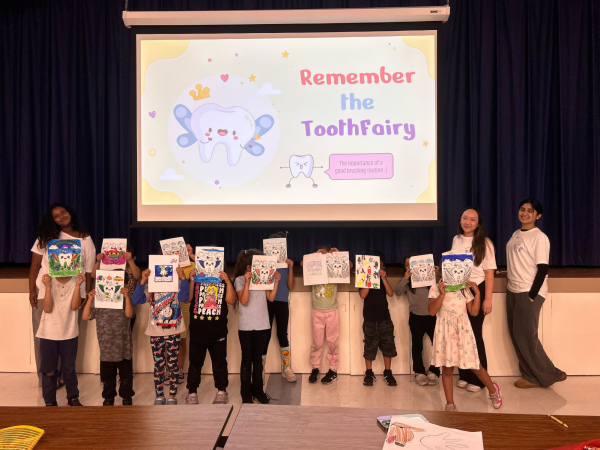 Xu and her students pose with the handmade cards they made during one of their presentations. Photo Courtesy of Catherine Xu | Used with Permission
“Tooth decay remains one of the most common chronic illnesses in children, and many students do not receive consistent dental education or supplies at home,” Xu said. “This grant helps us provide engaging education, positive reinforcement and essential hygiene tools so children can build healthy habits early.”
No Time to Waste, a food recovery organization, received support from the Cupertino Community Funding Grant for its “Feed The Need” program, which collects surplus food from grocery stores, hospitals and restaurants and delivers it to agencies serving Cupertino residents. Founder and Director Paul DiMarco said securing funding requires constant effort. He said he wrote 110 grant applications last year in order to secure funding for the organizations programsDiMarco said the organization receives about 33% of its funding from Santa Clara County and applies for grants from corporations, banks and foundations.
“It takes a lot of work, but we are definitely fiscally strong, and the city of Cupertino was one of those organizations that supported us for our program,” DiMarco said. “It’s a yearly program that we do with our food recovery efforts. On a weekly basis, we’re reaching over 2,000 people who need food. There are no questions asked. There is no fee for this service. It’s a free service for the city of Cupertino, and we’re proud of our collaboration and our partnership with the city.”
According to the city, grant recipients are also required to submit a report the following year to the Parks and Recreation Department detailing how the funds were used and how many residents were served. DiMarco added that an advantage of having a fiscal sponsor is that they provide one year of guaranteed funding if you have a clear goal what to achieve with those funds. If the organization meets those goals, then the sponsor may renew the funding for another term. Ultimately, the City Council determines the amount granted each year, as well as whether the program expands, though at its discretion.
“My suggestion is that if someone is starting in this business, they would want to get a fiscal sponsor,” DiMarco said. “It’s a way of getting started; it’s almost like getting a loan for a business to help you grow and build credibility. It offers greater stability and predictability, which allows us to plan programming for the full year with confidence.”
Both nonprofit leaders said the grant funding can determine how many residents they are able to serve in a given year. Without it, organizations may scale back or rely more heavily on uncertain donations.
“Without grant funding, organizations often have to limit programming, reduce the number of communities served or cut essential supplies,” Xu said. “For us, that could mean fewer Smile Bags distributed or fewer presentations scheduled. Since prevention is most effective when done consistently and early, interruptions in funding directly affect long-term impact.”
The Parks and Recreation Commission is expected to clarify questions from the organizations before the evaluation process by March and consider the application for a recommendation to the Council by April. With final funding decisions anticipated from the City Council in June, nonprofit leaders say the program continues to play an important role in strengthening community services.
“You can’t do this alone, and the more the merrier,” DiMarco said. “Everyone is in it together, and it’s a wonderful business to be in because you are surrounded by people who are trying to do something good.”