
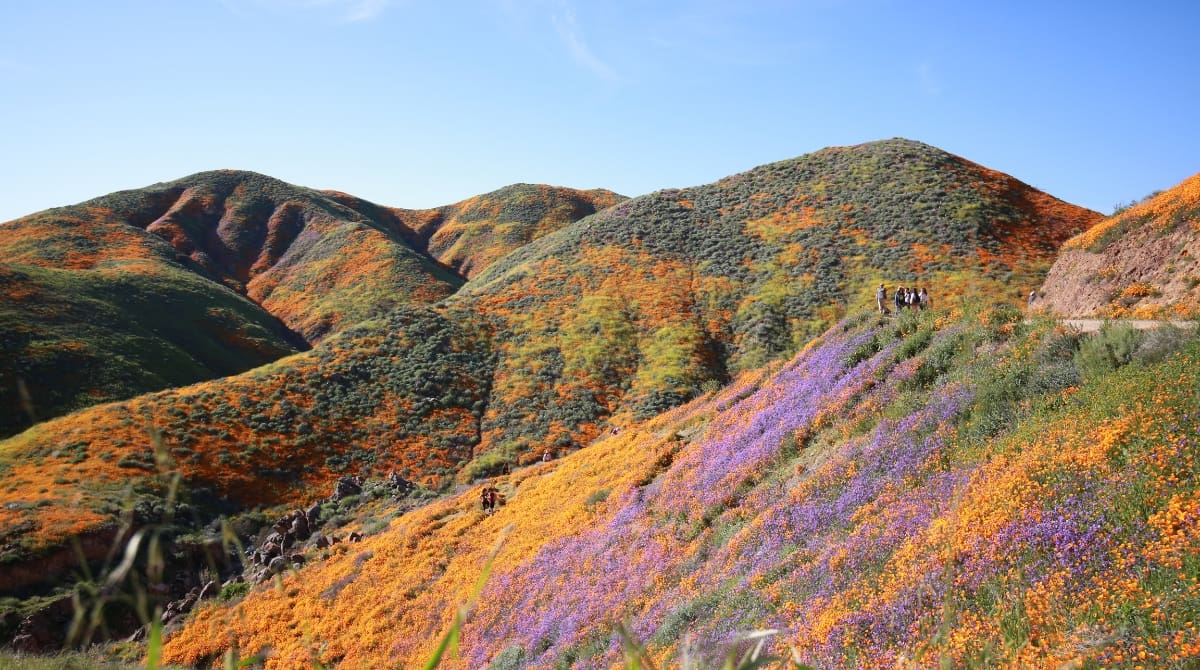
The arrival of spring in California is marked by vivid bursts of color across its landscapes. Stretching from desert valleys to coastal cliffs to mountain slopes, the state begins to show signs of the gradual retreat of winter as locations showcase vibrant blooms, attracting eager hikers, travelers, and photographers.
The wildflower season in California is closely intertwined with rainfall during fall and winter. When conditions are perfect, dormant seeds awaken and sprout across the landscapes, resulting in dramatic displays of colors.
On rare occasions, intense rainfall in the autumn and winter months leads to a superbloom, a desert botanical phenomenon in which an unusually high percentage of dormant wildflower seeds germinate and bloom simultaneously. In recent years, California witnessed superblooms in 2016, 2019, and 2023.
While superblooms are rare, even typical bloom seasons can fill California’s landscapes with native flowers, such as sand verbena, desert poppies, desert sunflowers, and primroses.
10 Notable Places in California To Witness a Riot of Colors This Spring
1. Carrizo Plain National Monument
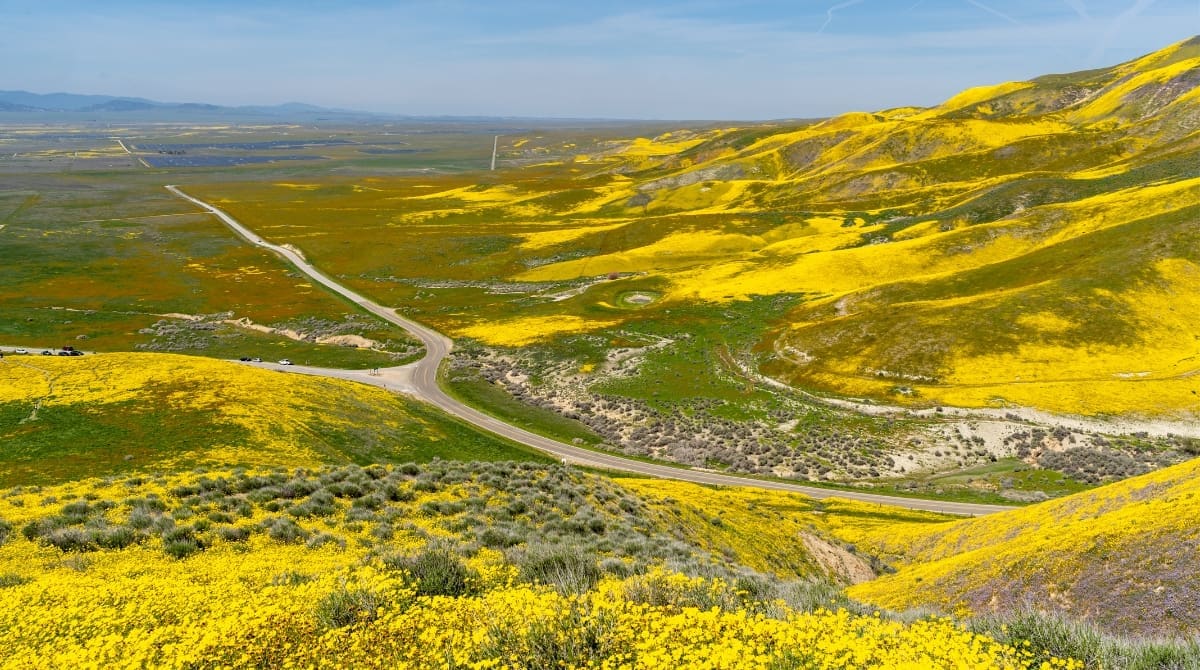 Representative picture of wildflowers at Carrizo Plain National Monument. Image Source: Melissa Kopka/Canva
A large grassland plain in southeastern San Luis Obispo County, Carrizo Plain National Monument sits between the Temblor and Caliente mountain ranges. The remote plain is home to several plant and animal species. When conditions are suitable, the valley floor is blanketed in a sea of wildflowers.
This year, early rains and warm temperatures resulted in wildflowers beginning to bloom in early February on the Temblor Mountains, painting the landscape in hues of orange and yellow.
2. Antelope Valley California Poppy Reserve
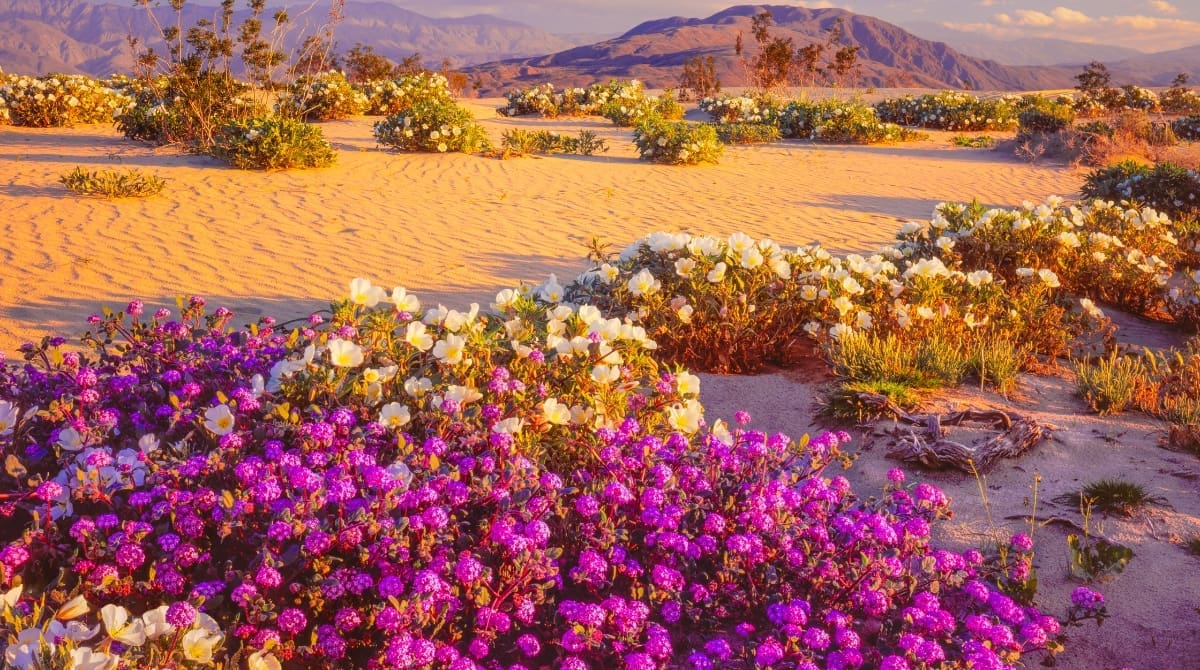 Representative picture of Antelope Valley California Poppy Reserve. Image Source: Sundry Photography/Canva
Located in the western Mojave Desert, the Antelope Valley California Poppy Reserve sits on the state’s most consistent poppy-producing land. This iconic destination is renowned for its vast displays of California poppies, the state flower.
Every spring, the stunning blooms of poppies and other wildflowers offer spectacular views of the Antelope Valley. The wildflower season here typically lasts from mid-February through May. The duration and intensity of colors and scents may vary every season.
3. Anza-Borrego Desert State Park
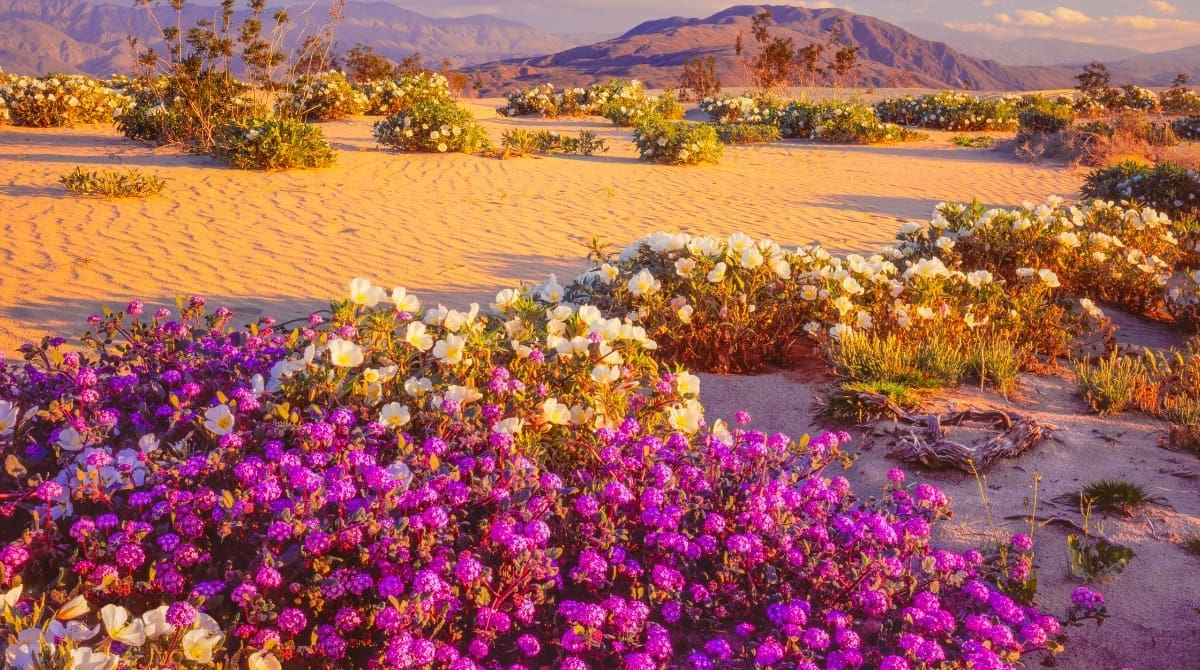 Representative picture of Anza-Borrego Desert State Park. Image Source: Ron and Patty Thomas/Canva
Home to over 90 plant families, 346 genera, and hundreds of flowering species, the Anza-Borrego Desert State Park is known for its desert blooms. After receiving sufficient rainfall, the arid terrain turns into a mosaic of colors.
This year, visitors can expect to see blooms of brittlebush, fishhook cactus, and barrel and cholla cactus at the Badlands area, Cut Across, Short Wash, and Fonts Point areas, although the flowers may begin to wilt as the heat continues. The higher elevations, canyons, and riparian areas are expected to offer the best remaining flowers in early March.
4. Joshua Tree National Park
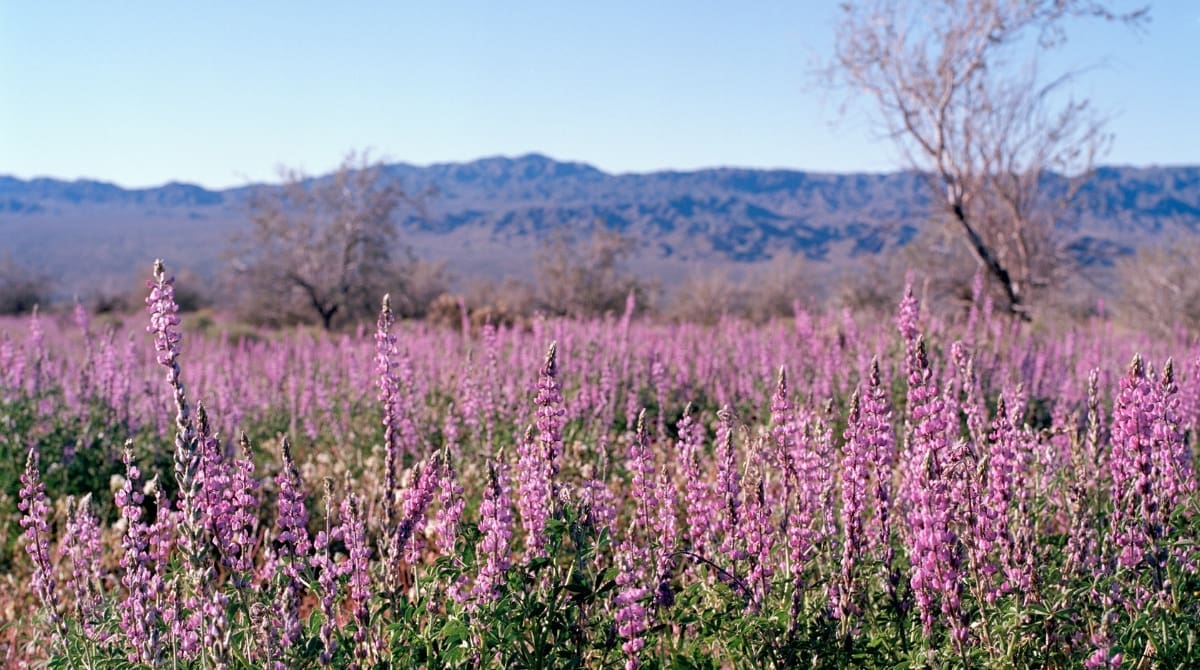 Representative picture of Joshua Tree National Park. Image Source: lfreytag/Canva
Famed for its scenic desert landscape and distinctive Joshua trees, the Joshua Tree National Park is located at the intersection of the Mojave and Colorado deserts, creating a unique environment for a variety of plants. The wildflowers here are low-growing, which minimizes exposure to harsh conditions and conserves energy.
Typically, wildflowers begin to bloom at the lower elevations, going on to bloom in mid-elevations, like in the Joshua tree forests on Park Boulevard. The higher elevations, like the Black Rock, are last to see the vivid bursts of colors. Visitors can expect to see blooms from January or February through summer.
5. Catalina Island
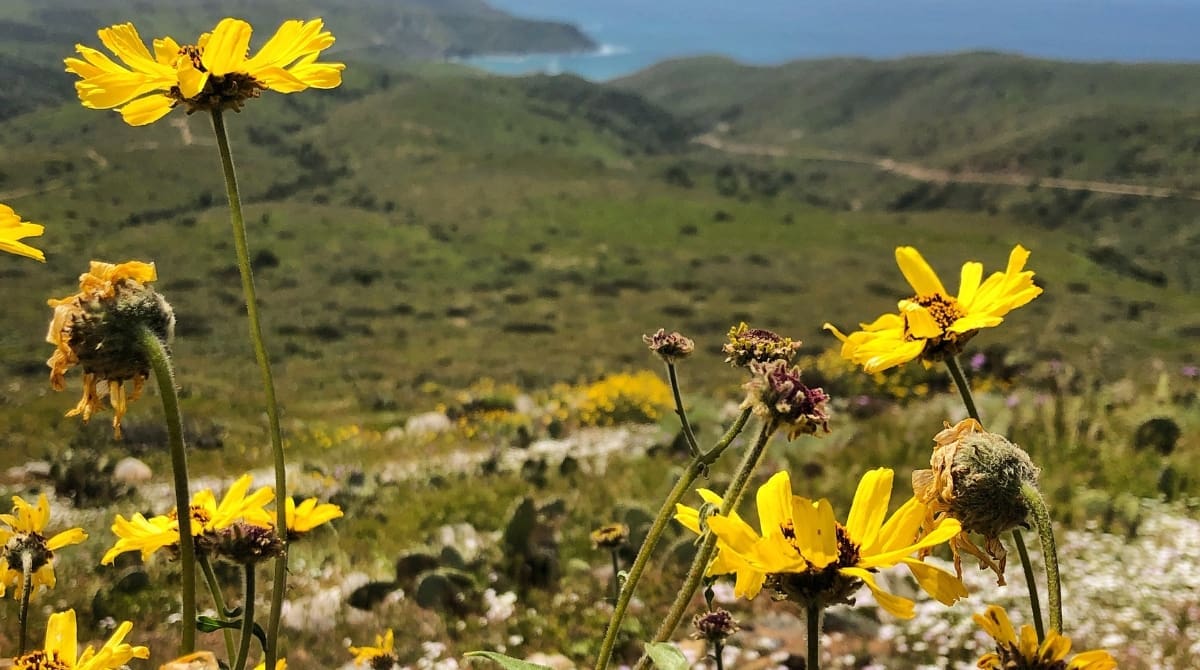 Representative picture of Catalina Island. Image Source: Krista Lance Photography/Canva
Off the coast of Los Angeles, Catalina Island’s Mediterranean climate and isolated ecosystem provides a different kind of wildflower experience. The island is home to more than 400 native plant species, with seven endemic plant species found only on the island.
Visitors can expect to see shooting stars, poppies, and lupine, and more flowers blooming this spring. Wildflowers first bloom on the warmer southern-facing hillsides, and later in spring, the canyons and northern-facing hillsides bloom into vivid colors. After the spring flowers, the prickly pear cactus begin to produce yellow flowers.
6. Garrapata State Park’s Calla Lily Valley
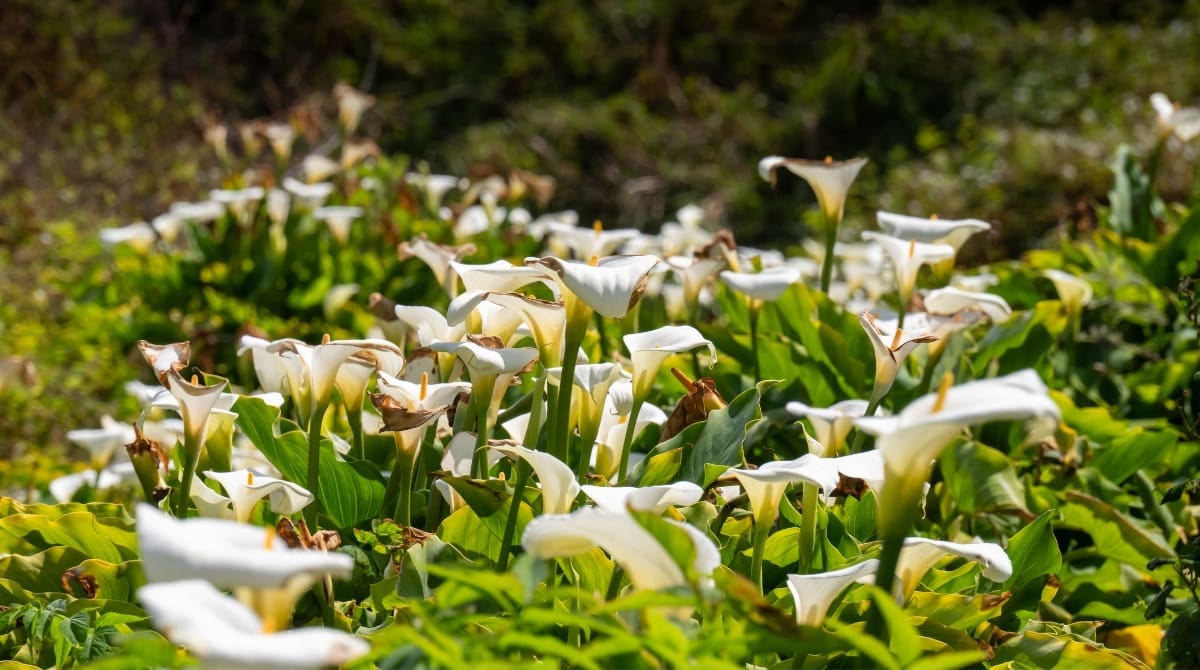 Representative picture of Calla Lily Valley at the Garrapata State Park. Image Source: KellyvanDellen/Canva
Located near Big Sur along the Central Coast, Calla Lily Valley offers one of the most scenic seasonal displays of calla lilies. A stunning coastal trail surrounding Doud Creek inside the Garrapata State Park leads to a secluded beach and a remote valley bursting with wild calla lilies. The white flowers usually bloom in late February to early March.
The area’s popularity on social media has brought increased attention to the valley in recent years, highlighting the need for visitors to be mindful and responsible to protect the fragile flowers and surroundings.
7. Point Mugu State Park
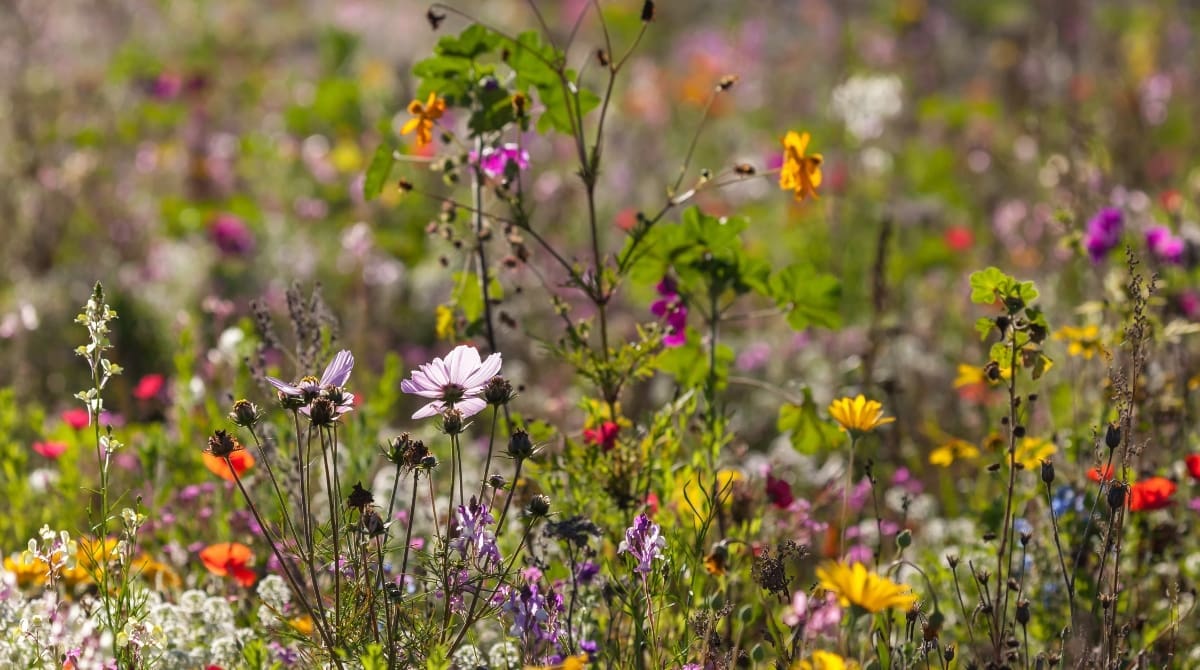 Representative picture. Image Source: Andhoj from Pixabay/Canva
Point Mugu State Park offers some of the most gorgeous spring wildflowers, usually between March and May. Located in the far western Santa Monica Mountains, springtime offers ocean views and slopes covered with wildflowers, making it one of Southern California’s most beautiful seasonal destinations.
Visitors can expect to see blooms of California poppies, lupines, mariposa lilies, and coreopsis across the park’s trails.
8. Santa Rosa Plateau Ecological Reserve
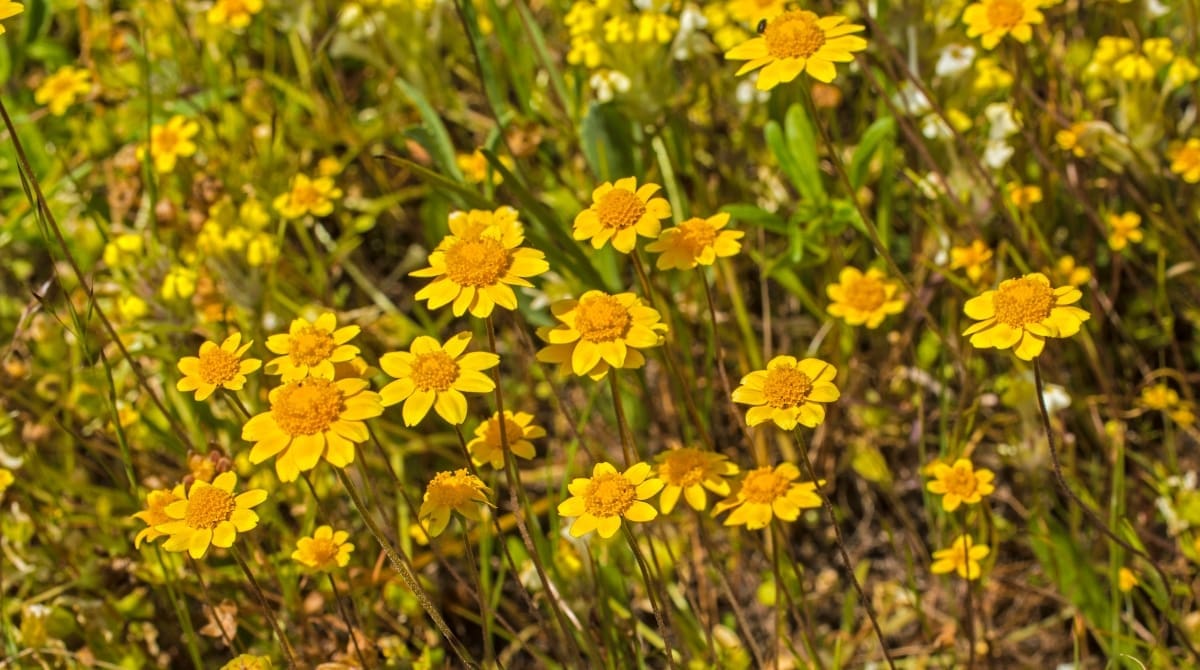 Representative picture of Santa Rosa Plateau Ecological Reserve. Image Source: Gerald Corsi/Canva
Located at the southern end of the Santa Ana Mountains in southwest Riverside County, the Santa Rosa Plateau Ecological Reserve is considered one of the best spots for spring wildflowers. The reserve is best known for its vernal pools and adobe homes, which host unique plant species.
The wildflowers bloom season typically lasts from March through May. Visitors can expect to see California poppies, checkerblooms, wine cup clarkia, lupine, and woolly pod milkweed.
9. Mount Diablo State Park
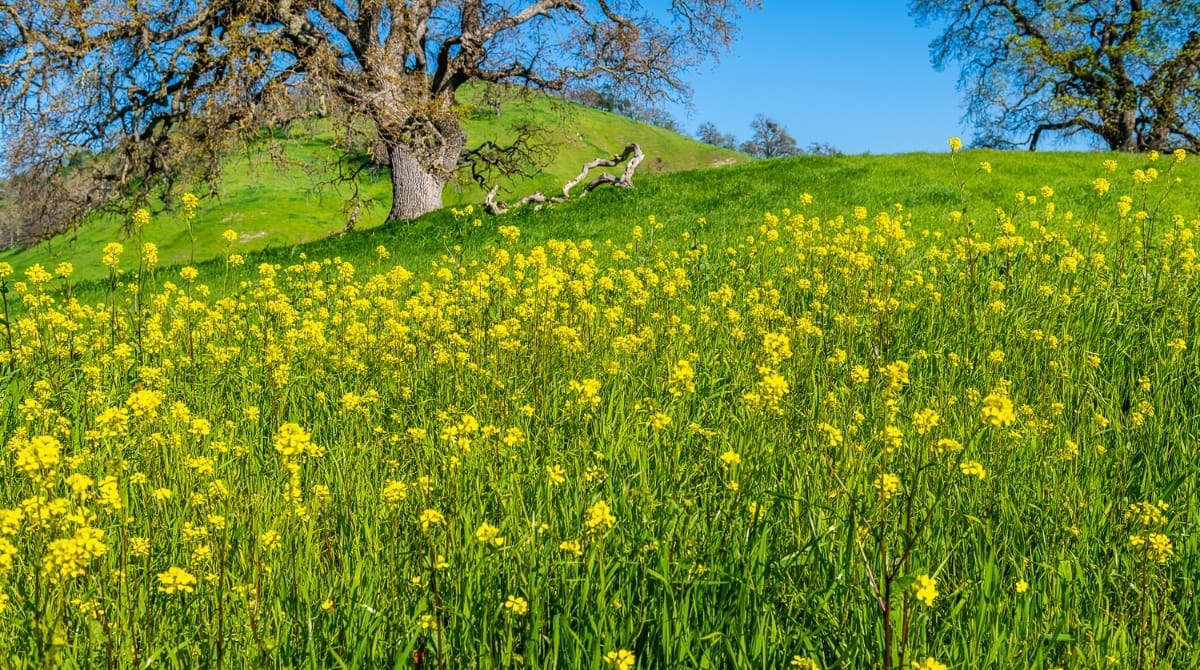 Representative picture of Mount Diablo State Park. Image Source: Chris LaBlasco/Canva
Located above the East Bay near San Francisco, Mount Diablo State Park is home to numerous plant species that paint its grasslands and hillsides with vibrant colors each spring. The Mitchell Canyon area offers some of the most stunning wildflower displays during spring.
Some of the commonly found wildflowers include warrior’s plume, bush monkey flower, wind poppy, Mount Diablo fairy lantern, and butterfly mariposa lily.
10. Figueroa Mountain
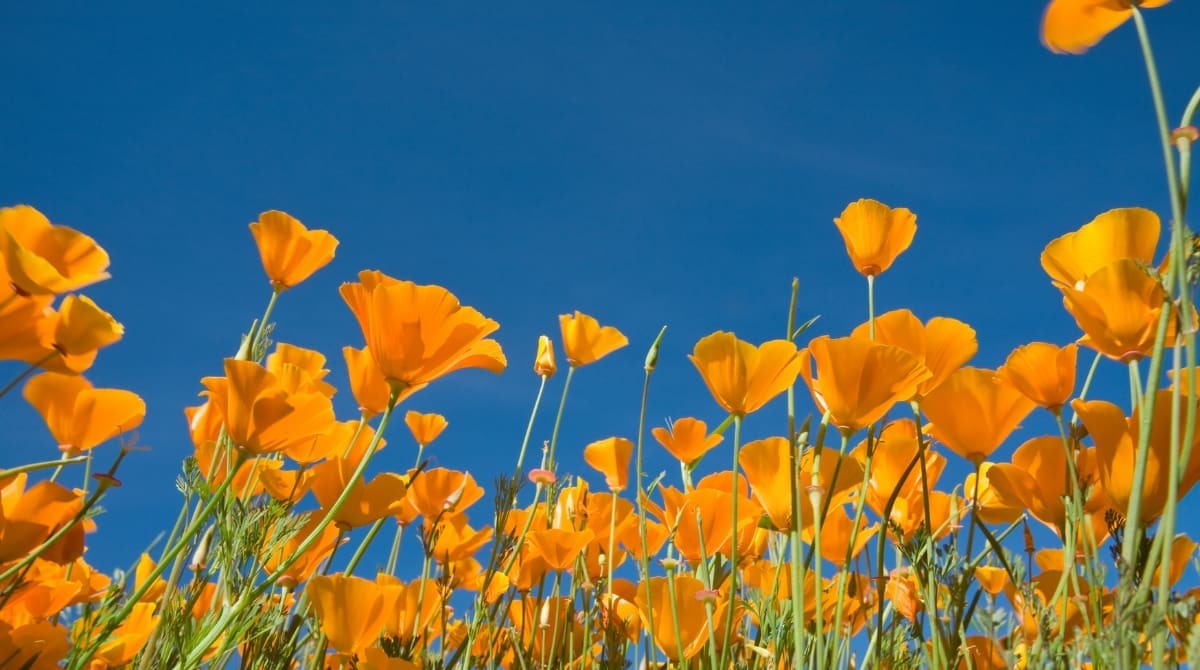 Representative picture. Image Source: meltonmedia/Canva
Located in the Los Padres National Forest in Santa Barbara County, Figueroa Mountain is one of the most reliable places to experience spring in full bloom in the state. Lasting from February through April, the mountain’s slopes are blanketed in blooms of poppies, lupines, and purple shooting stars.
There are several hiking trails, which offer generous displays of poppies, buttercups, and fiddlenecks.
While California’s wildflower season varies each year, depending on rainfall and temperature, this year the high winter precipitation has resulted in strong blooms across several regions.