
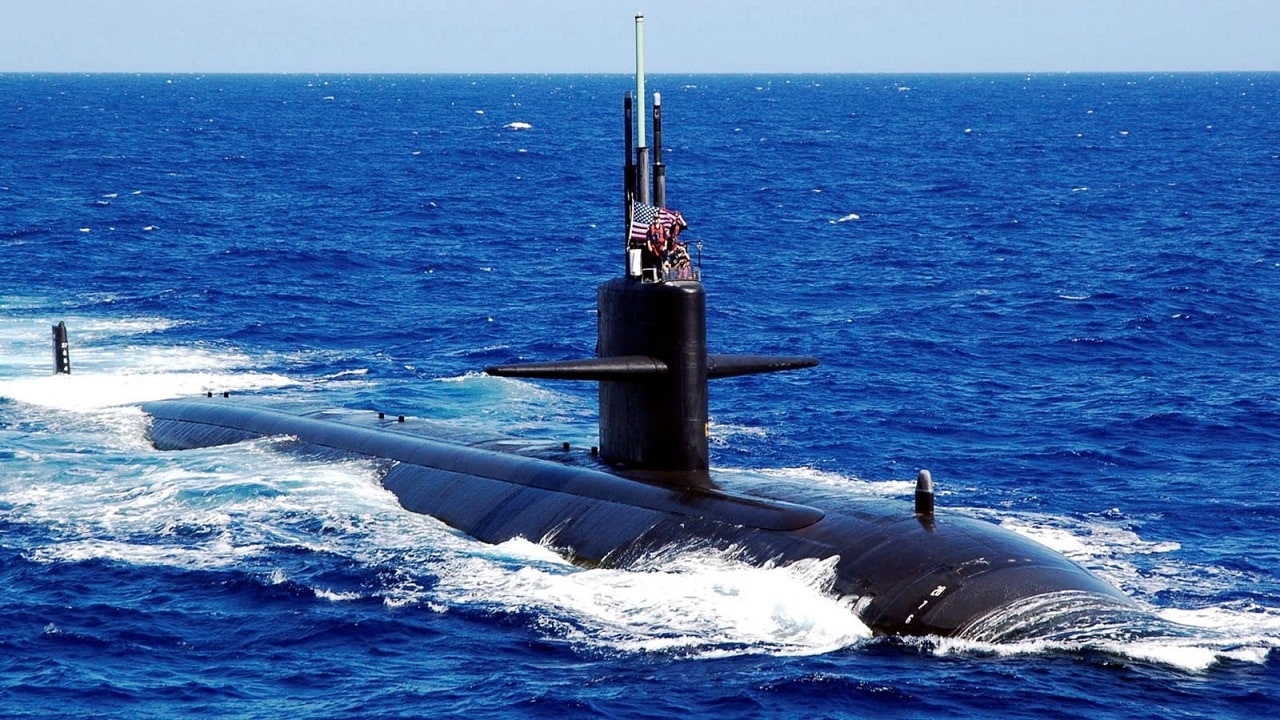
Summary and Key Points: The Los Angeles-class (688i) fast-attack submarine remains the cornerstone of U.S. undersea power in 2026, comprising nearly half of the Navy’s 50-boat attack fleet.
-Through the 688i modernization program, these Cold War-era “workhorses” now feature the Mk 1 Combat Control System and TAC-3 processors, enabling seamless interoperability with the Virginia and Columbia classes.
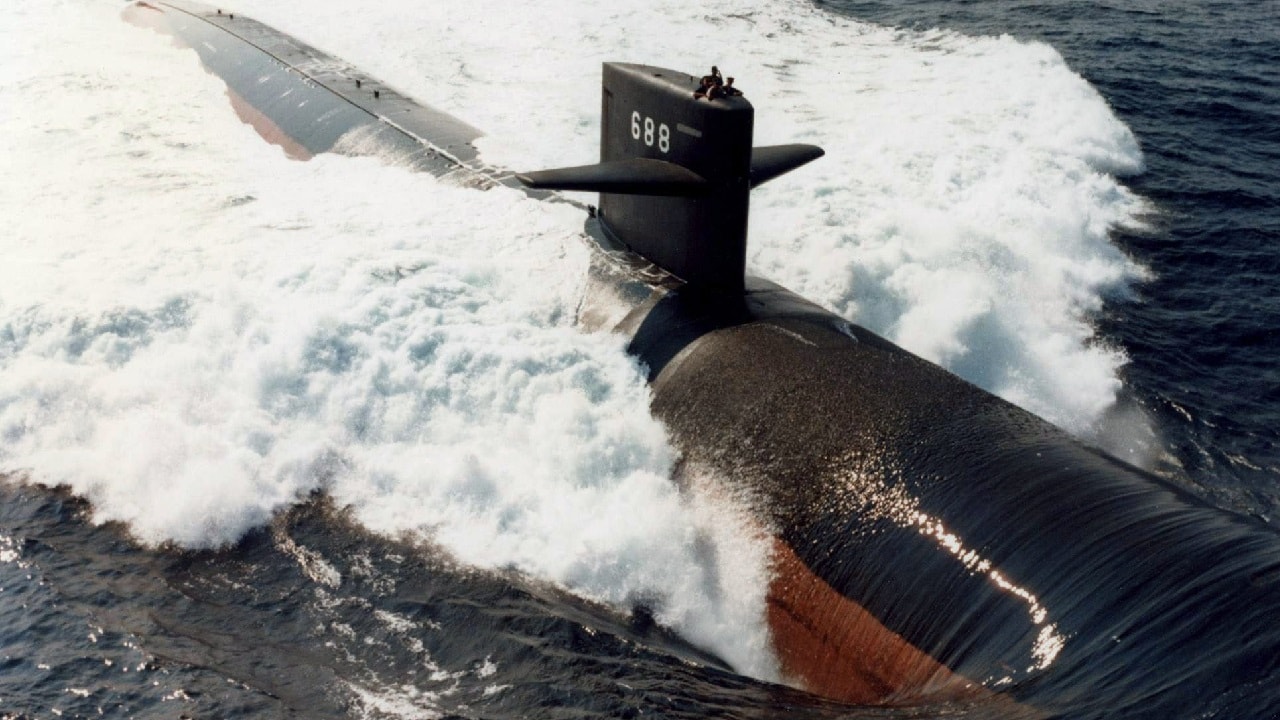
Los Angeles-class attack submarine. Image Credit: Creative Commons.
-Despite the looming “submarine deficit,” these boats continue to provide a critical defensive perimeter for Carrier Strike Groups, utilizing Tomahawk Block III missiles and advanced Mk 48 torpedoes to deter large-scale surface and undersea threats.
-In 1 Word: Irreplaceable
The 688i Powerhouse: Why the Los Angeles-Class Submarine Still Dominates 2026 Undersea Warfare
The U.S. Navy’s Los Angeles-class submarines may have their origins in the 1970s, but they remain relevant after decades of critical undersea service.
There are 24 active Los Angeles-class boats, meaning the group makes up almost one-half of the Navy’s fleet of roughly 50 attack submarines.
While the first boats date back to the early-to-mid-1970s, the Navy worked with its industry partners Newport News Shipbuilding and General Dynamics Electric Boat to modernize the fleet of into the 688i configuration. These upgraded boats use an upgraded all-digital combat command center called Mk 1 Combat Control System.
The technology enables Los Angeles-class submarines to fire Tomahawk Block III cruise missiles, upgraded Mk 48 torpedoes, and to carry out Towed Array Target Motion Analysis, the FAS military network explains.
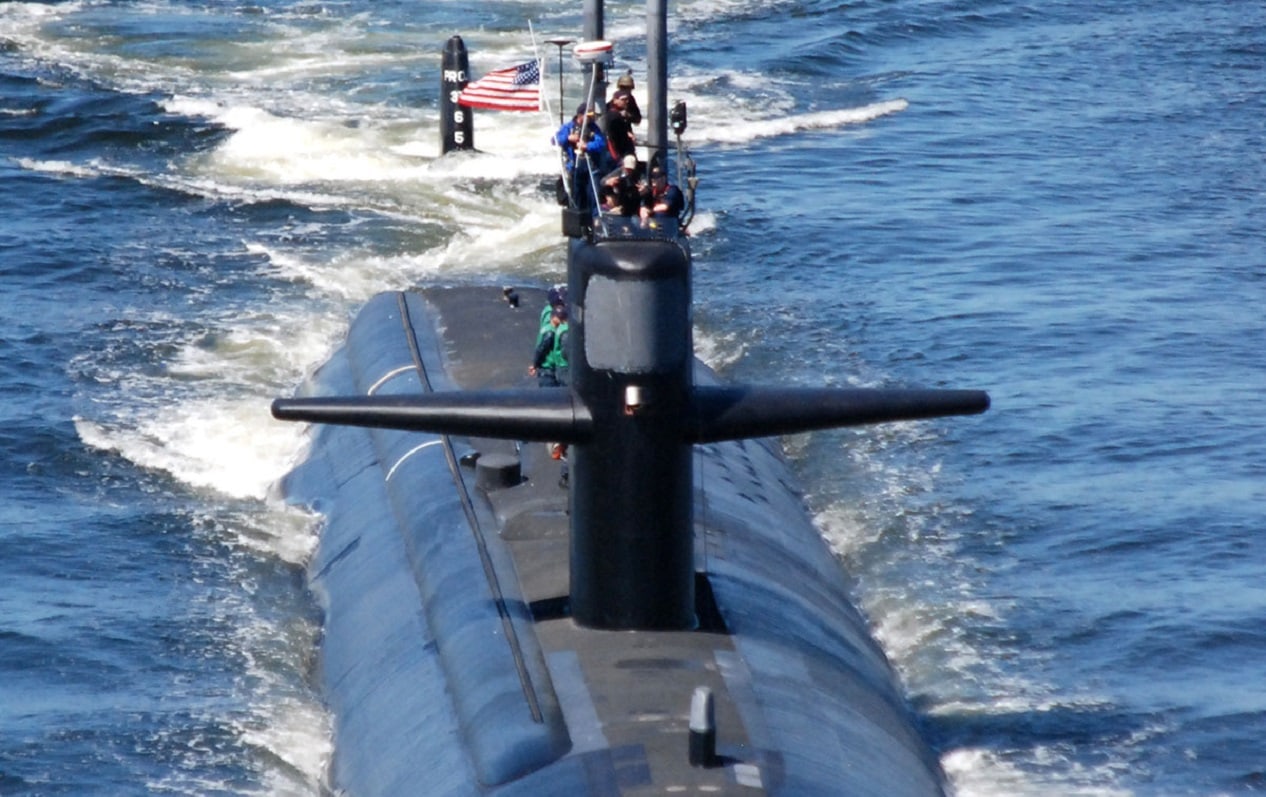
Los Angeles-Class Attack Submarine. Image Credit: Creative Commons.
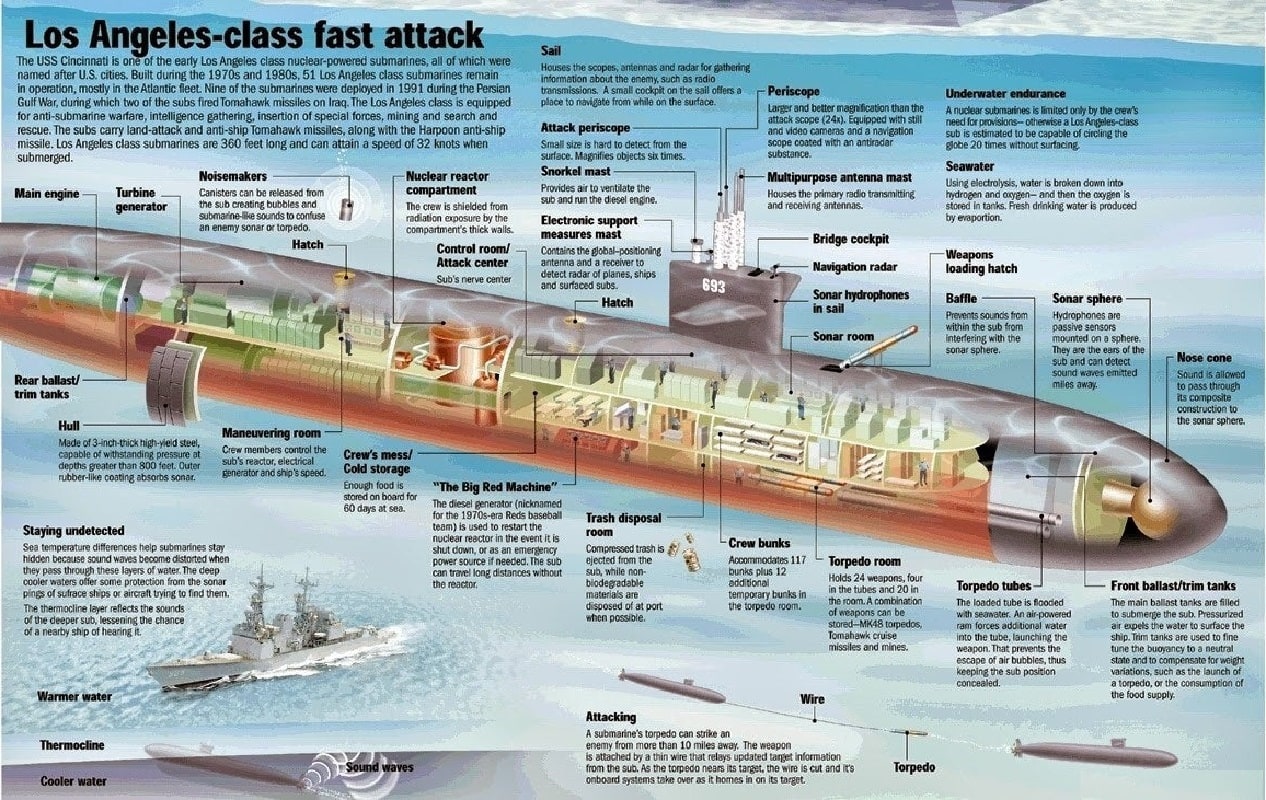
Los Angeles-Class diagram. Image Credit: US Navy.
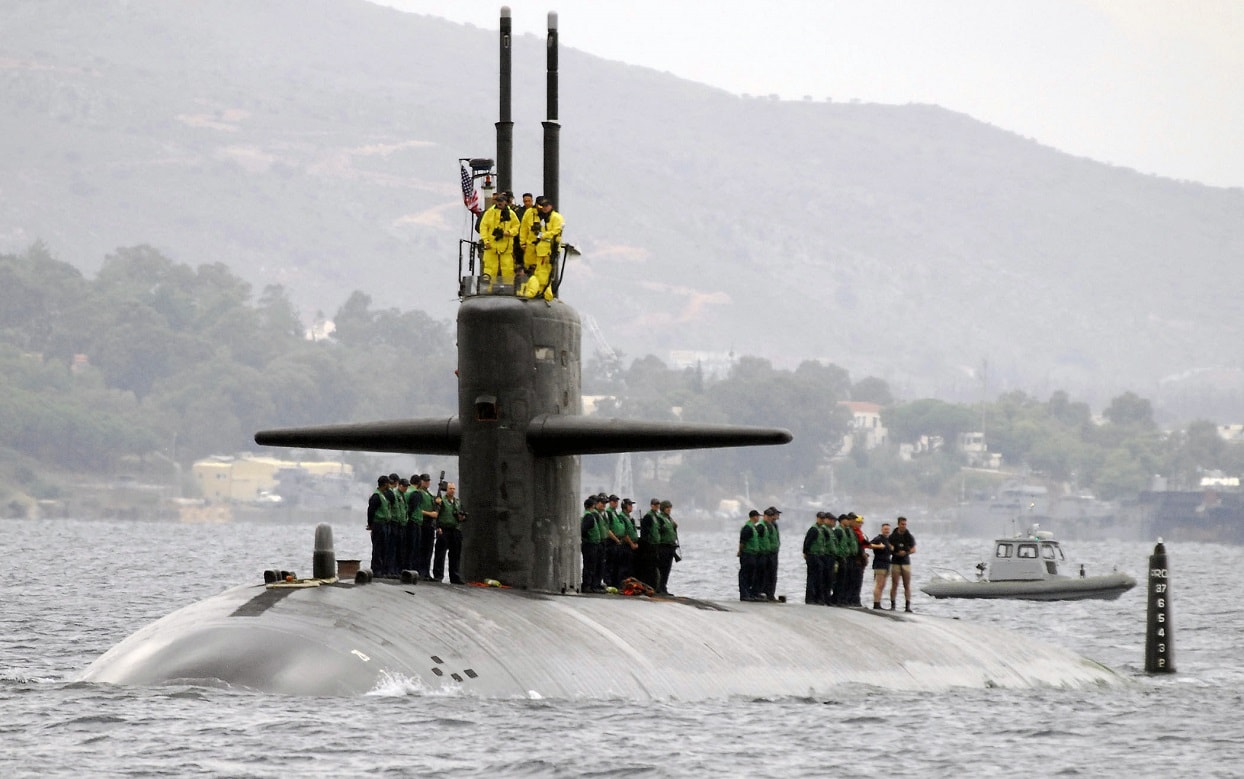
SOUDA BAY, Crete, Greece (Oct. 15, 2007) – Los Angeles-class submarine USS Oklahoma City (SSN 723) arrives in Souda Harbor for a port visit. The submarine was operating in the Central Command area of responsibility for the past five months since departing their homeport of Norfolk, Va. U.S. Navy photo by Mr. Paul Farley (RELEASED)
“The CSS (Combat Control System) internal tracker model provides processing for both towed array and spherical array trackers.
Trackers are signal followers which generate bearing, arrival angle and frequency reports based on information received by an acoustic sensor. The CSS tracker model augments the sonar detection processing with corrections to detected SNRs (signal-to-noise-ratio) due to the beam pattern shapes and effects,” FAS explains.
Los Angeles, Columbia, Virginia Interoperability
The 688i Los Angeles-class submarines also operate with a new generation of computing technology called Tactical Advanced Computer-3 (TAC-3), a faster processor with interfaces and IP protocol standards that can interoperate with critical on-board targeting technologies and data networks being built into modern Virginia-class and Columbia-class submarines.
The more interoperable submarines and surface ships can be, the better positioned a Navy force is to attack.
The original intent for the Los Angeles-class boats was to conduct Carrier Strike Group protection and conduct anti-submarine warfare operations against the Soviet Surface Action Group, according to the Federation of American Scientists.
Los Angeles-class Upgrades
Upgraded Los Angeles submarines are able to fire a number of advanced munitions.
“The new submarines showed another step improvement in quieting and an increase in operating speed to allow them to support the CVBG(Carrier Battle Group).
Escort duties included conducting ASW sweeps hundreds of miles ahead of the CVBG and conducting attacks against the SAG,” the FAS report explains.
An ability to protect carriers from undersea and several miles ahead makes the subs useful for establishing a defensive perimeter.
The boats might find and destroy threats to surface ships from safer distances.
Los Angeles-class submarines still account for a large portion of the Navy’s submarine fleet, but they will be retired as the Virginia-class boats arrive.
The Navy and congressional decision-makers have long expressed concern about a coming Navy submarine deficit. The number of attack submarines, according to service commanders, could drop low enough to create a threat to the United States.
Submarine Deficit
Indeed, the Navy’s 30-year shipbuilding plan describes this potential deficit. Congress and the Navy have are in the midst of a long running effort to push the industrial base to increase the number of Virginia-class boats being built each year, from 1 to as many as 3, depending on the budget.
In the meantime, Los Angeles-class boats are likely to remain in service for years to come, as they can bring upgraded weapons and sensors to the dangerous mission of Carrier Strike Group protection.
Even if they are detected by enemy sonar from the surface or undersea, they are known to present firepower sufficient to deter any large-scale surface warfare attack.
About the Author: Kris Osborn
Kris Osborn is the President of Warrior Maven – Center for Military Modernization. Osborn previously served at the Pentagon as a highly qualified expert in the Office of the Assistant Secretary of the Army—Acquisition, Logistics & Technology. Osborn has also worked as an anchor and on-air military specialist at national TV networks. He has appeared as a guest military expert on Fox News, MSNBC, The Military Channel, and The History Channel. He also has a Masters Degree in Comparative Literature from Columbia University