
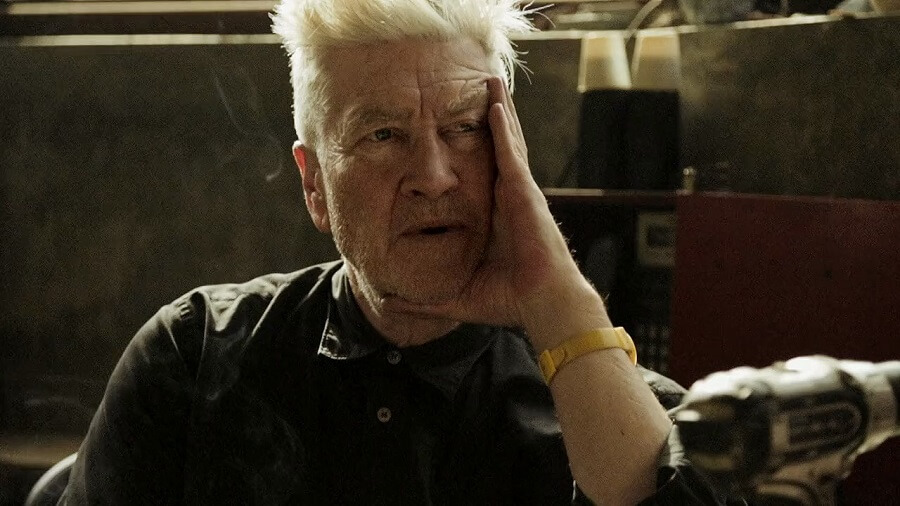
Multi-parcel estate anchored by a Lloyd Wright–designed midcentury home served as the filmmaker’s residence and creative base for decades.
Property records confirm that David Lynch’s longtime Hollywood Hills compound in Outpost Estates has sold for $13 million, nearly six months after the estate was listed for $15 million.
The property, assembled and customized by the visionary filmmaker over several decades, spans about 2.3 acres across five contiguous hillside parcels just below Mulholland Drive. Lynch, known for works such as Twin Peaks, Blue Velvet, and Wild at Heart, died in January 2025 at age 78.
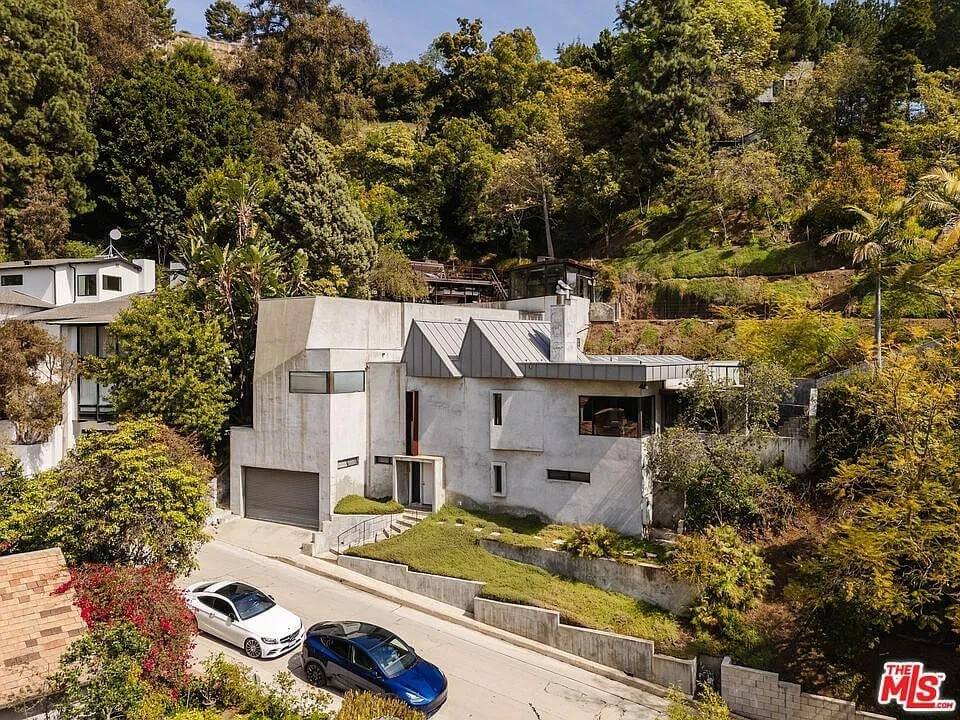
Anchoring the compound is the Beverly Johnson House, a pink-hued residence designed in 1963 by architect Lloyd Wright, the son of Frank Lloyd Wright. Recognized by HistoricPlacesLA as an excellent example of midcentury modern and organic residential architecture, the home features bold geometric lines, expansive glass walls, and a strong connection between indoor and outdoor spaces.
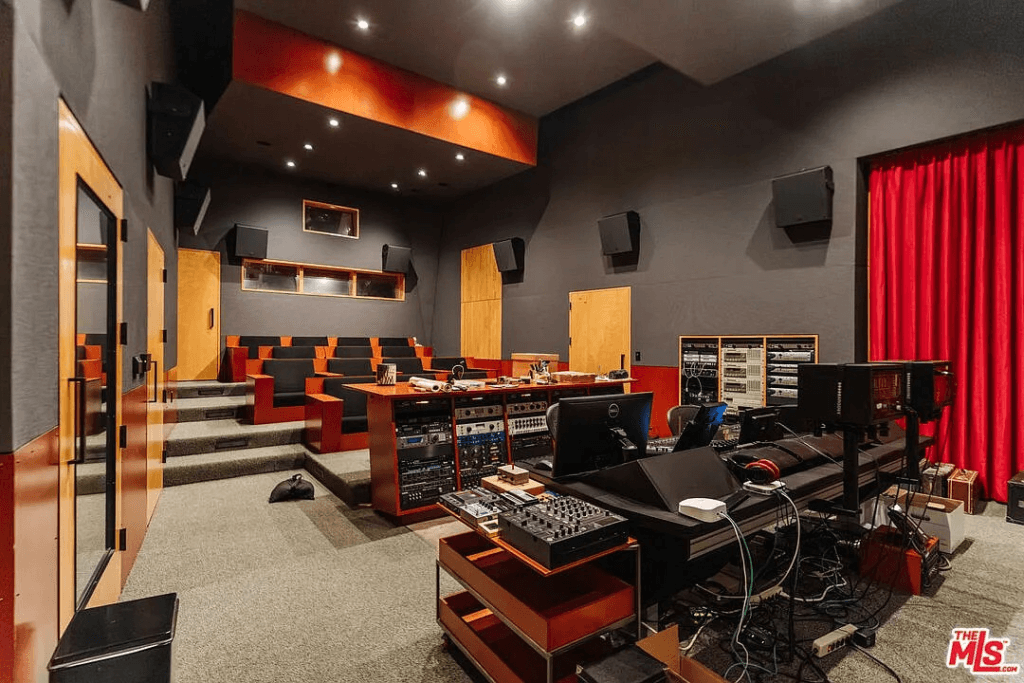
Lynch purchased the property in 1987 for $560,000 and gradually expanded the estate by acquiring neighboring homes along Senalda Drive. One of those buildings became the headquarters for his production company, Asymmetrical Productions, while another residence later appeared on screen as the Madison house in Lynch’s 1997 film Lost Highway. That structure also housed the director’s private editing suite and screening room.
Further additions continued in 1991, when Lynch commissioned architect Eric Lloyd Wright, Lloyd Wright’s son, to design a pool and pool house perched high on the hillside, extending the estate’s connection to the Wright architectural lineage. The filmmaker also collaborated on the creation of additional structures on the property, including a two-story guesthouse and a separate one-bedroom residence finished in smooth gray plaster.
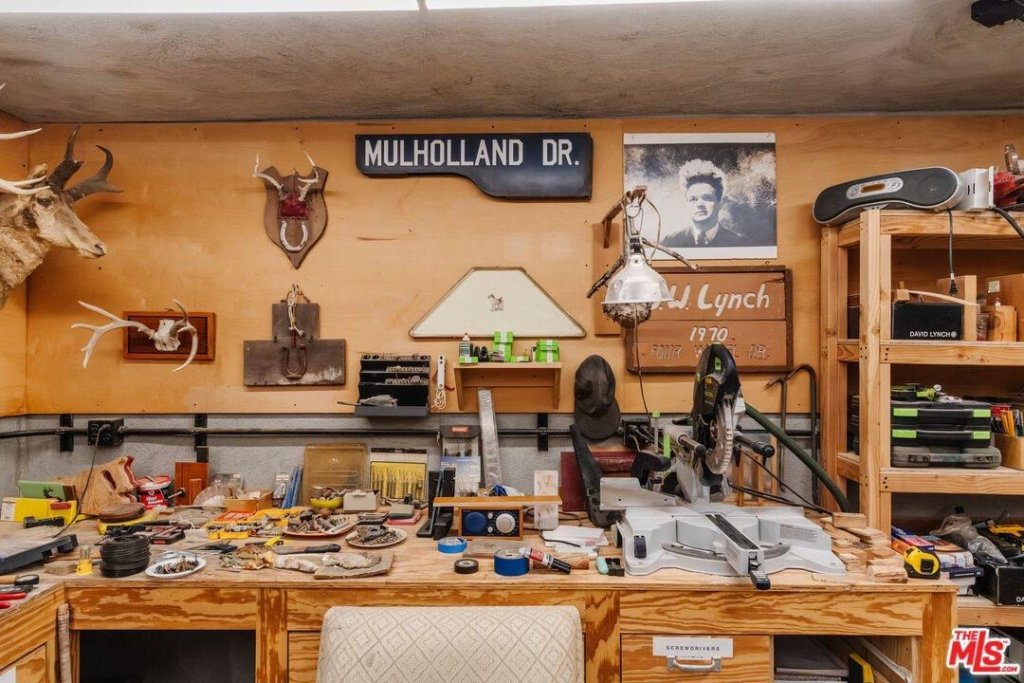
Together, the residences and auxiliary buildings form a secluded compound totaling roughly 11,000 square feet with 10 bedrooms and 11 bathrooms.
Marc Silver of The Agency represented both sides of the transaction. Silver later noted on social media that the goal was not simply to sell the property but to ensure the estate would pass to a buyer who would respect the creative environment Lynch built there over more than three decades.