

The live entertainment giant is accused of using its near monopoly to inflate ticket prices, coerce venues and pressure artists
California Attorney General Rob Bonta, alongside a bipartisan coalition of state attorneys general, is pushing ahead with an antitrust lawsuit against Live Nation after rejecting a settlement made by the Department of Justice.
The DOJ’s deal requires the Ticketmaster parent company to share its ticketing technology with competitors, unwind some of its exclusive contracts with music artists and sell at least 13 of its amphitheaters.
23 of the 30 attorneys general who co-signed the initial lawsuit joined Bonta in refusing the DOJ’s settlement, while Arkansas, Florida, Oklahoma, Oregon, South Carolina, Texas and West Virginia agreed to the deal’s terms.
“A bipartisan group of AGs, including California, will continue this fight and get a better deal for consumers — the deal Americans deserve,” Bonta wrote on X.
The Manhattan jury trial, which began late last month, centers around Live Nation’s near-monopoly of the live events and ticketing space, which the government said has enabled it to artificially inflate ticket prices, stifle competition and force concessions from artists and venues.
The government had originally sought a ruling prohibiting Live Nation from engaging in “anticompetitive practices,” ordering Live Nation to divest Ticketmaster and securing compensation for fans overcharged by Live Nation.
Other attorneys general who rejected the DOJ’s settlement include those from Arizona, Colorado, Connecticut, Illinois, Kansas, Maryland, Massachusetts, Michigan, Minnesota, Nevada, New Hampshire, New Jersey, New Mexico, New York, North Carolina, Ohio, Pennsylvania, Rhode Island, Tennessee, Utah, Vermont, Virginia, Washington, Wisconsin, Wyoming and the District of Columbia.
U.S. DOJ has chosen to settle with Live Nation, but a bipartisan group of AGs, including California, will continue this fight and get a better deal for consumers — the deal Americans deserve.
Ticketmaster and Live Nation have manipulated the market and raked in the cash — not…
— Rob Bonta (@AGRobBonta) March 9, 2026
Scroll to continue reading
Live Nation and Ticketmaster merged in 2010 after being granted approval from the Securities and Exchange Commission under the Obama administration. The deal combined the world’s largest live events coordinator with the leading online ticketing platform.
Ticket prices have risen nearly 300% since the merger, or about six times the rate of inflation, according to an analysis by CouponBirds.
Live Nation has rejected claims that its dominance in the live entertainment market has led to higher ticket prices, pinning the blame on the artists and sports teams who set prices.
“It’s their show, they get to decide what it costs to get in,” Ticketmaster said in a statement.
Yet artists have no control over the price of so-called “junk fees,” hidden charges added on top of the base ticket price.
The debate over ticket costs comes as demand for live events has skyrocketed. Live Nation reported that 151 million people attended one of its shows in 2024, a 50% increase in concert attendance compared to 2019.
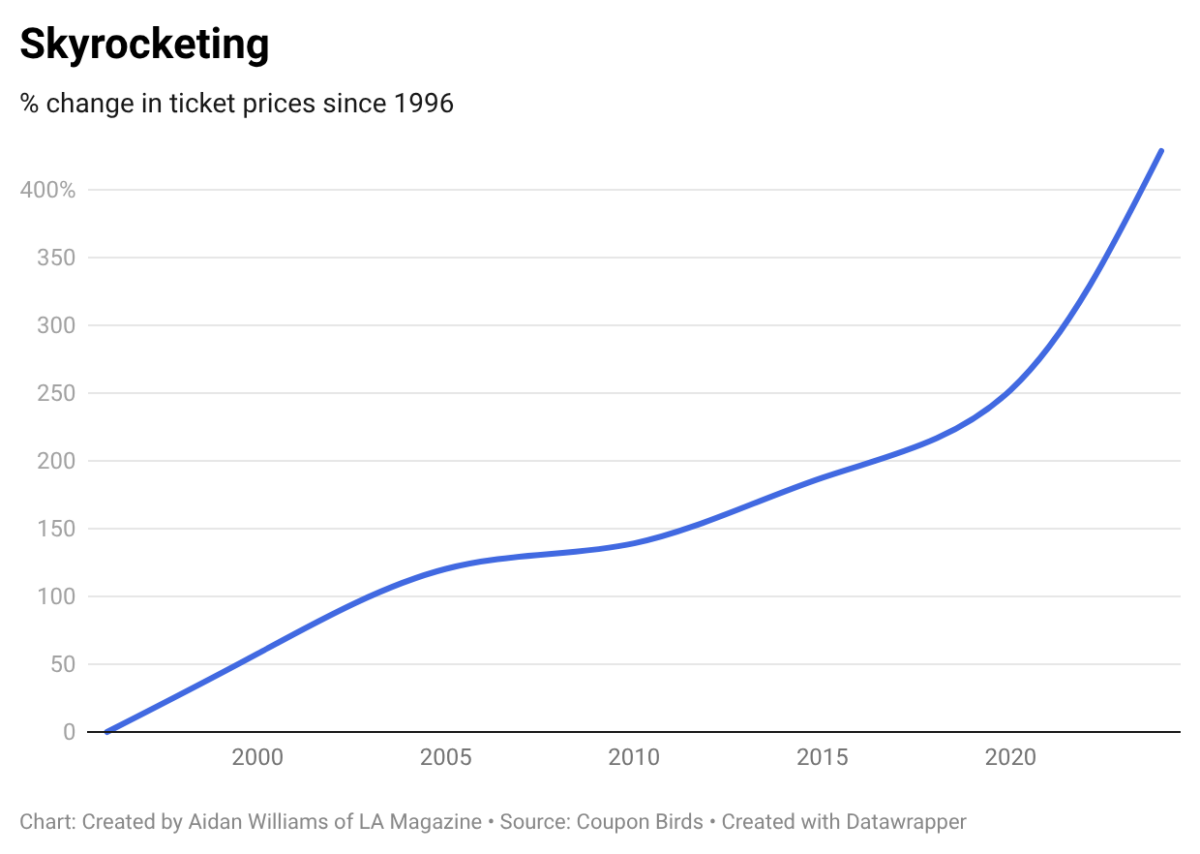 Credit: Adian Williams
Complaints have also been lodged against Live Nation by venues and artists.
Venues say they have been threatened with losing access to Live Nation’s tours and artists if they refused to sign long, exclusive deals with the company. Event spaces have also been pressured to use Live Nation for concert logistics and promotion, rather than seeking better prices from other providers.
Artists have similarly been pressured to select Live Nation for tour promotion and ticketing or else lose access to Live Nation’s extensive network of venues.