
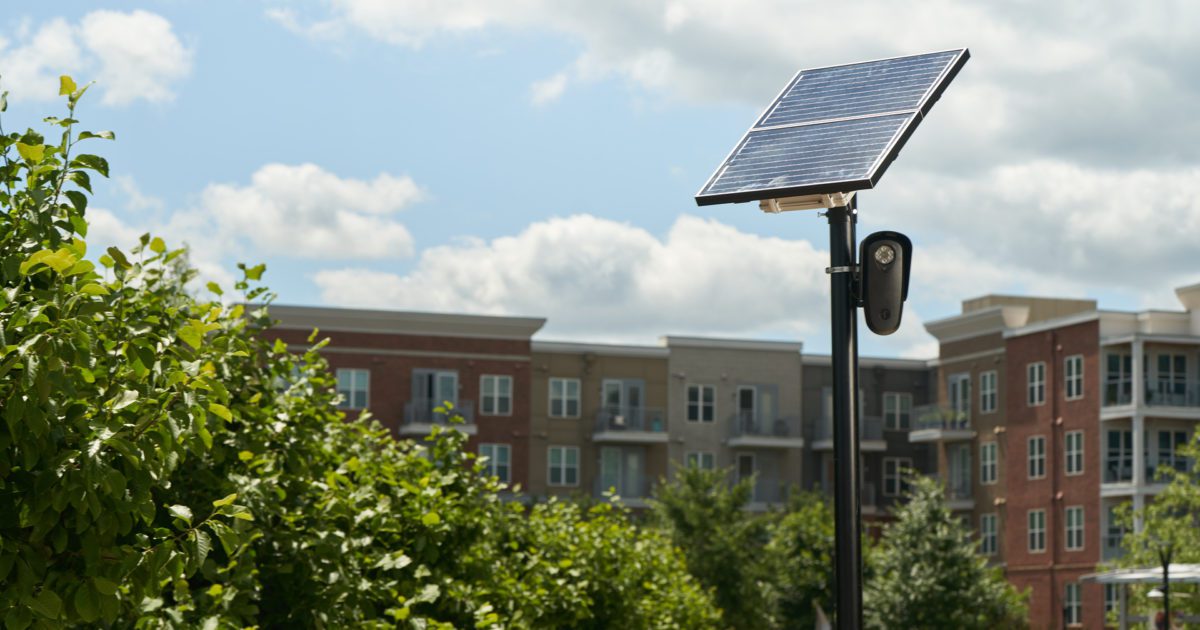
San Jose is rethinking its use of automated license plate reader cameras, as the city faces mounting public pressure over surveillance concerns and a lawsuit.
The City Council on Tuesday will consider proposals intended to tighten controls over the San Jose Police Department’s license plate reader program, which includes 474 cameras installed throughout the city. However, the measure still falls short of demands from some residents, who are calling on San Jose to follow suit with other South Bay jurisdictions and cut ties entirely with its vendor, Atlanta-based firm Flock Safety, for the technology.
Tuesday’s vote has set up a showdown between the technology’s critics — who warn it can be used to track law-abiding residents and target immigrants — and its supporters, who argue the cameras, first introduced in 2022, have become an invaluable investigative tool for San Jose’s chronically short-staffed police force.
SJPD officials, who authored the proposed safeguards, maintain the reform package addresses critics’ concerns over privacy. Mayor Matt Mahan also applauded the proposal.
“We have a responsibility to ensure the technology we use to support our police department are held to the same high standard as our officers,” Mahan told San José Spotlight through a spokesperson. “I applaud (Police Chief Paul Joseph) for putting forward safeguards that ensure we can continue to leverage this technology responsibly and for its intended purpose — keeping San Joseans safe.”
An SJPD spokesperson declined to provide further comment.
Among the proposed changes, the measure would reduce the default retention period of license plate reader data from one year to 30 days. It would also prohibit the placement of cameras outside abortion clinics and places of worship.
In addition, the new rules would place firmer controls on access to the data by requiring partner law enforcement agencies to provide additional “compliance documentation” explaining the purpose behind their data requests.
Under the city’s current policy, partner agencies requesting data access must provide a “legitimate law enforcement purpose,” though they do not need a warrant. San Jose already prohibits use of the database for investigating a person’s immigration status or for monitoring legally protected activities like protests or rallies.
The surveillance technology has come under increasing scrutiny in recent months. In November, a coalition of local advocacy groups sued San Jose, alleging the city’s practice of allowing warrantless searches of its license plate data violates drivers’ privacy rights.
Nick Hidalgo, a staff attorney with the American Civil Liberties Union of Northern California, one of the groups involved in the lawsuit, said he is “encouraged” by Tuesday’s proposal, though he contends the added safeguards still fall short. Hidalgo argues the city must only allow searches of its database when the requesting agency provides a probable cause warrant.
“Otherwise, it’s a violation of our California constitutional right to privacy and to be free from unreasonable searches and seizures,” he told San José Spotlight.
Earlier this year, three South Bay jurisdictions — Santa Clara County, Los Altos Hills and Mountain View — terminated their contracts with Flock Safety, amid concerns the company has allowed transfers of license plate reader data to out-of-state law enforcement agencies, a practice that is barred by state law.
Flock Safety spokesperson Paris Lewbel said the company’s customers are able to control who accesses their data.
“Flock provides transparent tools, compliant with California law, that help solve serious crimes and find missing people while protecting civil liberties, and we welcome continued discussion with city leaders,” Lewbel told San José Spotlight.
Six councilmembers — Domingo Candelas, Pamela Campos, David Cohen, Michael Mulcahy, George Casey and Peter Ortiz — are backing a proposal that includes additional safeguards beyond those outlined in SJPD’s memo. For example, one of the measures would also restrict placing automated cameras nearby consulate offices, a precaution backers say would protect the privacy of those handling immigration matters.
“Strong guardrails and transparency are essential to protecting civil liberties and maintaining public trust,” Candelas told San José Spotlight. “By putting the right safeguards in place, we can support our officers while ensuring this technology is used responsibly and with appropriate oversight.”
Ortiz has also submitted his own memo, in which he raised the possibility of the city cutting ties with Flock Safety. Citing concerns about the firm’s handling of sensitive data, Ortiz suggested the city should “explore alternative vendors” for providing automated license plate reader services. He did not respond to a request for comment.
Tuesday’s vote has raised questions about a potential conflict of interest for Mahan, given that one of his major campaign donors, Y Combinator CEO Garry Tan, was also among Flock Safety’s earliest investors. However, the mayor is expected to participate in the vote due to a finding from the city attorney that doing so would not violate state campaign finance laws.
The pending vote has prompted an outpouring of public concern, with dozens of residents writing in support and opposition to the continued use of automated license plate readers.
John Leipelt, District 2 Neighborhood Leadership Council chair, argued the technology has already proved its crime fighting worth.
“When deployed responsibly and with appropriate safeguards, (the) technology can serve as a valuable tool for enhancing public safety while maintaining respect for privacy and civil liberties,” Leipelt wrote to councilmembers.
Meanwhile, other residents called on councilmembers to drop the city’s contract with Flock Safety.
“We cannot allow a private corporation to subject San Jose residents to mass surveillance that circumvents our local governance,” Aurelio Garcia wrote.
The San Jose City Council meets Tuesday at 1:30 p.m.
This story will be updated.
Contact Keith Menconi at [email protected] or @KeithMenconi on X.