
HOLLYWOOD, CA — Awards season has finally snapped into focus, and the shape of the 98th Academy Awards is clear. The guilds have had their say, the televised precursors have drawn their lines, shaping a landscape of a few dominant contenders, and just enough unpredictability to keep things lively.
This guide walks through all 24 categories using the markers that matter most — precursor alignment, voter behavior and the historical patterns that tend to separate a frontrunner from a hopeful. Some races appear locked, others are still genuinely competitive, and a few depend more on the Academy’s quirks than on any statistic.
If you want a straightforward, data‑driven sense of where the Oscars stand heading into the final stretch, this is your roadmap. Below is the full slate of predictions across all 24 categories, followed by the analysis behind each call.
Find out what’s happening in Hollywoodfor free with the latest updates from Patch. 2026 Oscar Winner Predictions
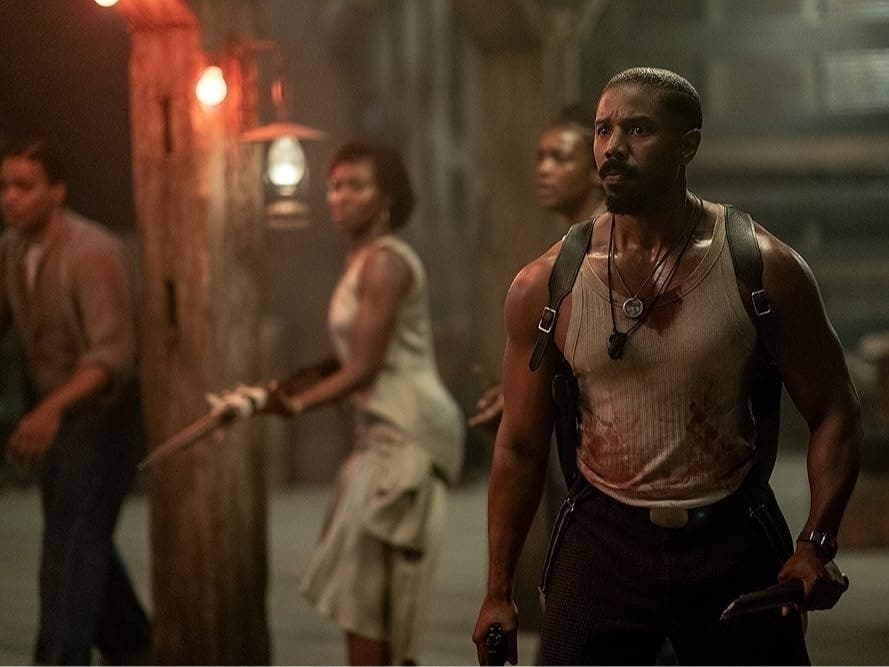
Best Picture — “Sinners”
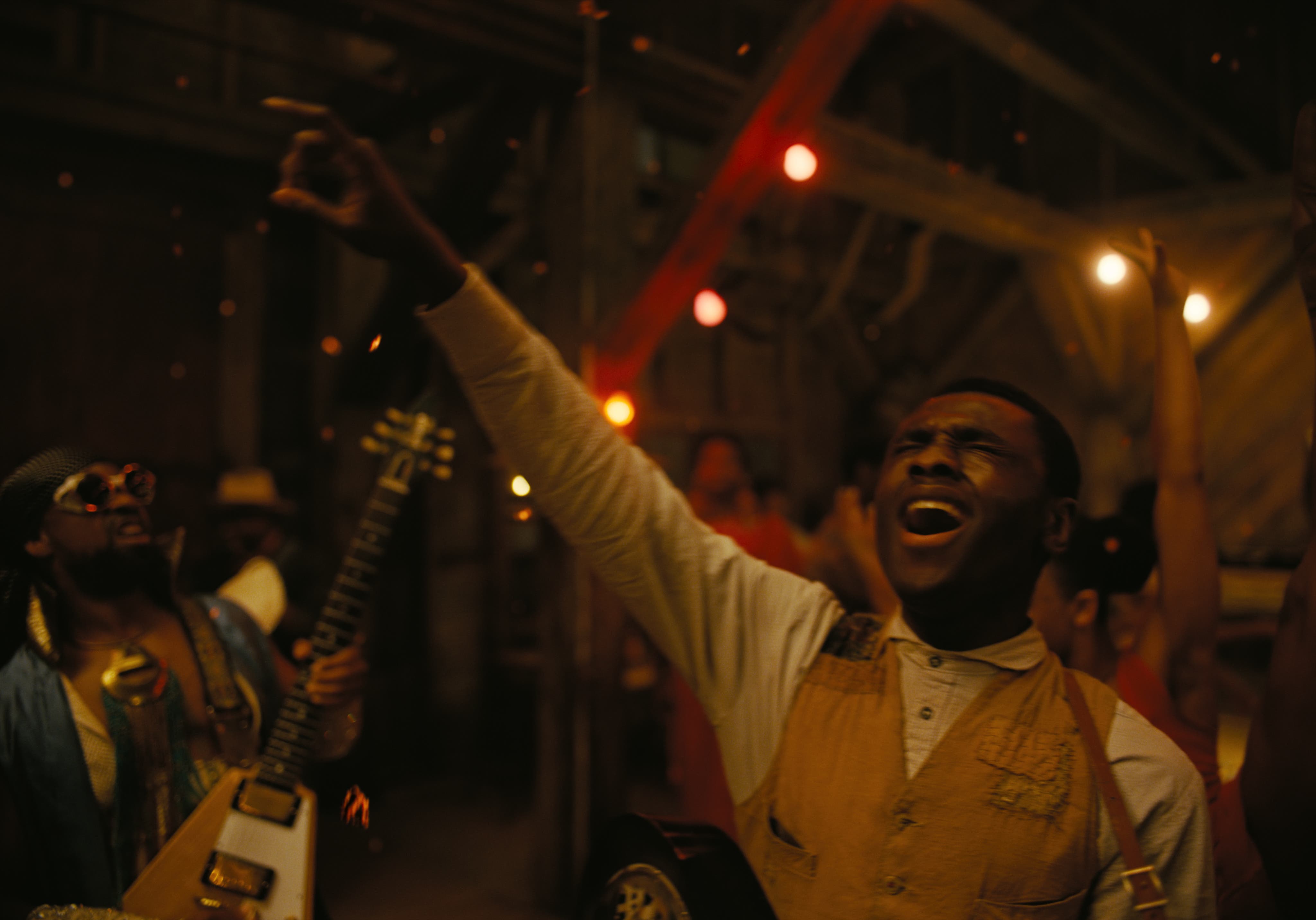 “Sinners” (Warner Bros.)
“Sinners” enters the final stretch of the season with the broad Academy support that typically determines a winner. Its strength across multiple branches — including actors, writers and key craft guilds — reflects a level of consensus its closest rival has not matched. The film’s strong showing in the nominations phase, particularly in categories that historically correlate with best picture performance, underscores that voters not only watched it but responded across the board.
Find out what’s happening in Hollywoodfor free with the latest updates from Patch.
“One Battle After Another” remains a factor after its Producers Guild and Directors Guild victories, but recent seasons have shown that when one contender dominates the major guilds while another demonstrates wider Academy reach, the Oscar often goes to the film with deeper Academy-wide backing. With that pattern in mind, and with “Sinners” displaying the broader coalition of support, it enters the night in the strongest position to consolidate votes and emerge with the top prize.
Best Actress — Jessie Buckley, “Hamnet”
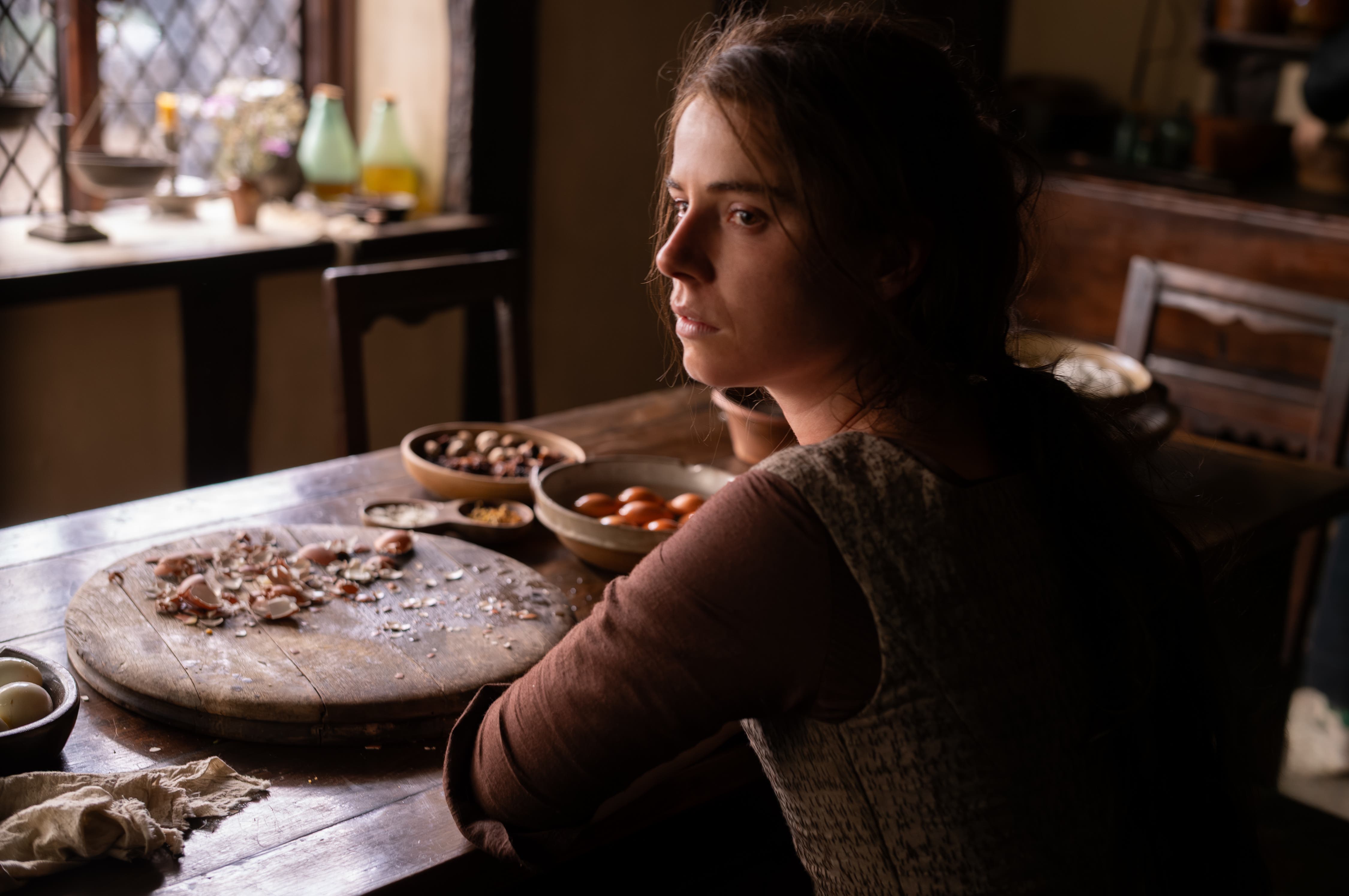 “Hamnet.” (Focus Features)
Jessie Buckley heads into Oscar night with the clearest momentum of any acting nominee. She is the season’s only major‑category clean sweeper, having won the Golden Globes, Critics Choice Awards, BAFTAs and the Actor Awards presented by SAG — a combination that has historically signaled a near‑unassailable lead in best actress. Nearly 40 critics groups have also named her the year’s standout, creating an unusually unified front across both industry and critical circles.
While her closest competitors have individual pockets of support, the Academy rarely shifts away from a contender with this level of broad Academy recognition and precursor dominance. Buckley’s unprecedented run through the televised awards circuit has effectively shaped the narrative of the race, turning best actress into something close to a fait accompli for her performance in “Hamnet.”
Best Actor — Michael B. Jordan, “Sinners”
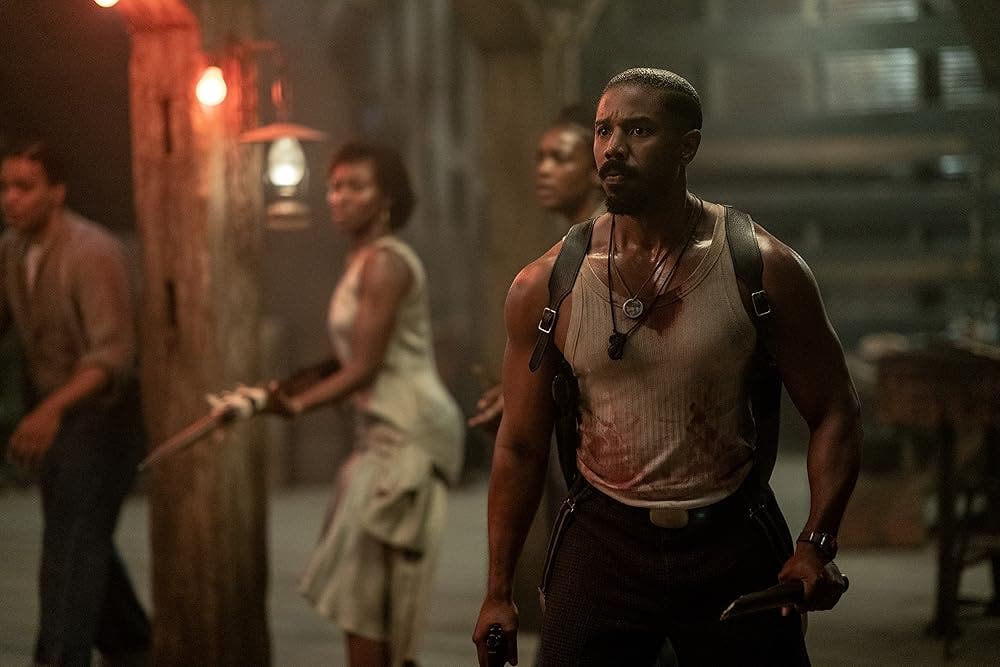 “Sinners.” (Warner Bros.)
Best actor has tightened into a two‑way contest between Michael B. Jordan and Timothée Chalamet, each with a credible path to the podium. Jordan’s work in “Sinners” is a dual performance, portraying twin brothers with distinct emotional and psychological arcs — a showcase of range that resonated strongly with the actors branch and helped secure his win at the Actor Awards. That matters: the Actor Awards winner for best actor has aligned with the Oscar in 21 of the past 29 years, including a perfect streak from 2022 through 2024.
Chalamet remains a formidable contender after strong showings across the season’s major televised precursors and consistent recognition from critics groups, giving him a broad foundation of support that extends beyond any single group of Academy voters. But Jordan’s key guild victory provides a measurable statistical edge, positioning him slightly ahead as the race heads into the final envelope.
Best Supporting Actor — Sean Penn, “One Battle After Another”
 “One Battle After Another.” (Warner Bros.)
Sean Penn holds the strongest position in supporting actor after pairing a BAFTA win with victory at the Actor Awards, the newly renamed successor to the SAG Awards. That precursor has produced eight of the last nine Oscar winners in this category, giving it the most reliable track record of any major indicator. Penn’s sweep of BAFTA and the Actor Awards gives him the clearest statistical edge in a field that has otherwise splintered across the season’s earlier checkpoints.
Delroy Lindo and Stellan Skarsgård remain the most plausible upset candidates, each with more limited pockets of support, but Penn’s alignment with the two most predictive markers of recent years positions him as the likeliest winner heading into the ceremony.
Best Supporting Actress — Wunmi Mosaku, “Sinners”
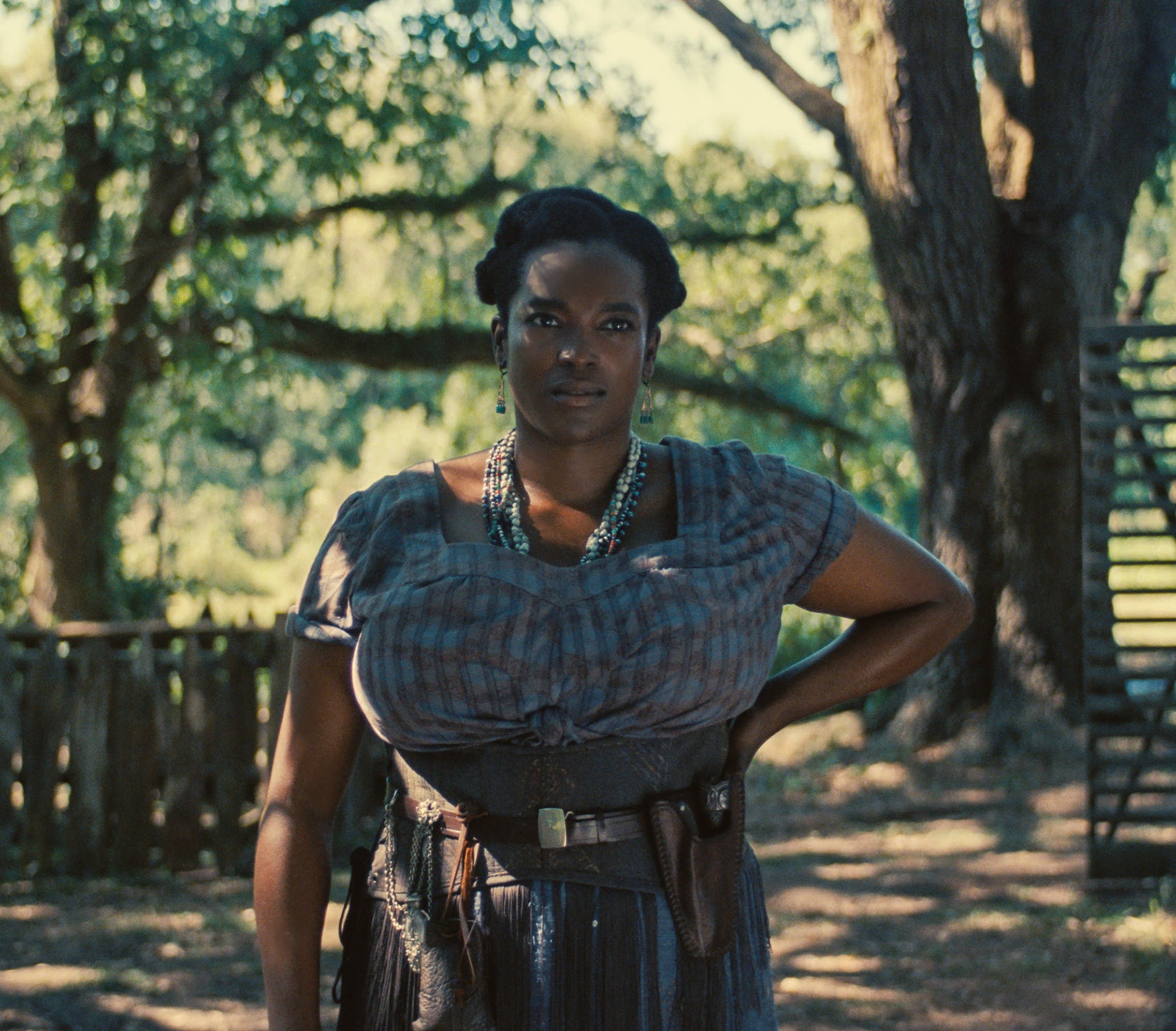 “Sinners.” (Warner Bros.)
Wunmi Mosaku enters the supporting actress race with a profile that mirrors the Academy’s dominant voting patterns over the past decade. Her BAFTA win for “Sinners,” paired with the film’s strength as a best picture contender, places her on the path that has produced eight of the last 10 winners in this category. In that same stretch, BAFTA has been the most predictive precursor, especially when the winner comes from a film with broad Academy support.
Amy Madigan remains a credible challenger after her SAG victory for “Weapons,” but history gives that combination a much slimmer path to victory. In the last 10 years, only one SAG winner from a non–best picture nominee — Allison Janney for “I, Tonya” — has gone on to win the Oscar. With the precursors split and “Sinners” positioned as one of the night’s major players, Mosaku enters the final phase of voting with the more statistically supported path to the award.
Best Director — Paul Thomas Anderson, “One Battle After Another”
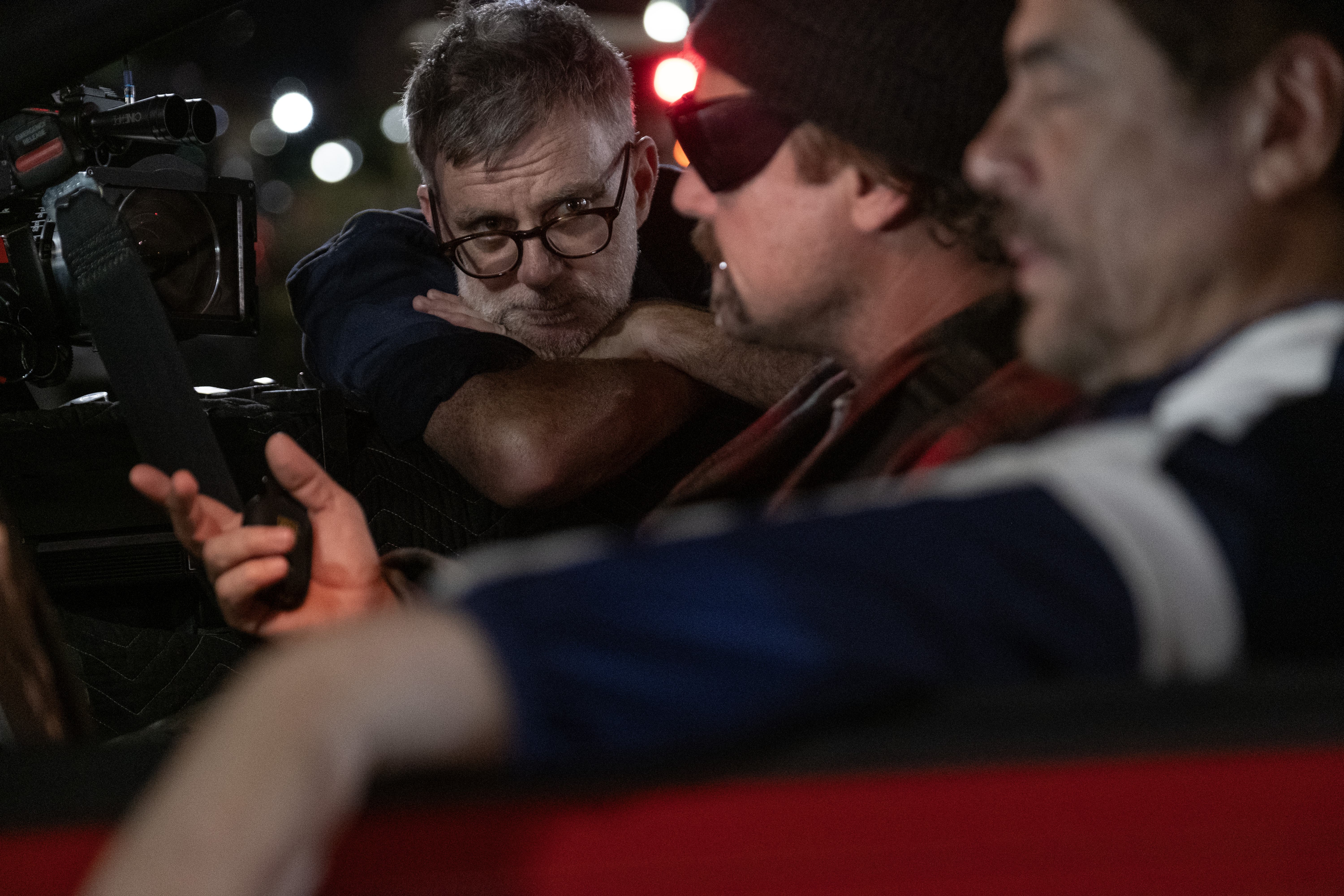 “One Battle After Another.” (Warner Bros.)
Best director is Paul Thomas Anderson’s to lose after sweeping every major precursor — the Golden Globe, Critics Choice Award, BAFTA and the Directors Guild of America’s top honor — for “One Battle After Another.” The DGA winner has gone on to claim the Oscar roughly 75 to 80 percent of the time, and BAFTA has aligned with the Academy in about two thirds of the past two decades. When those two bodies agree, the Oscar almost always follows.
A clean sweep of all four major directing awards is exceedingly rare and has not been overturned in the modern era, signaling overwhelming industry consensus behind Anderson’s work. Ryan Coogler remains the most credible alternative on the strength of enthusiasm for “Sinners,” but Anderson’s across‑the‑board dominance gives him the clearest and most statistically secure path to victory heading into Oscar night.
Original Screenplay — Ryan Coogler, “Sinners”
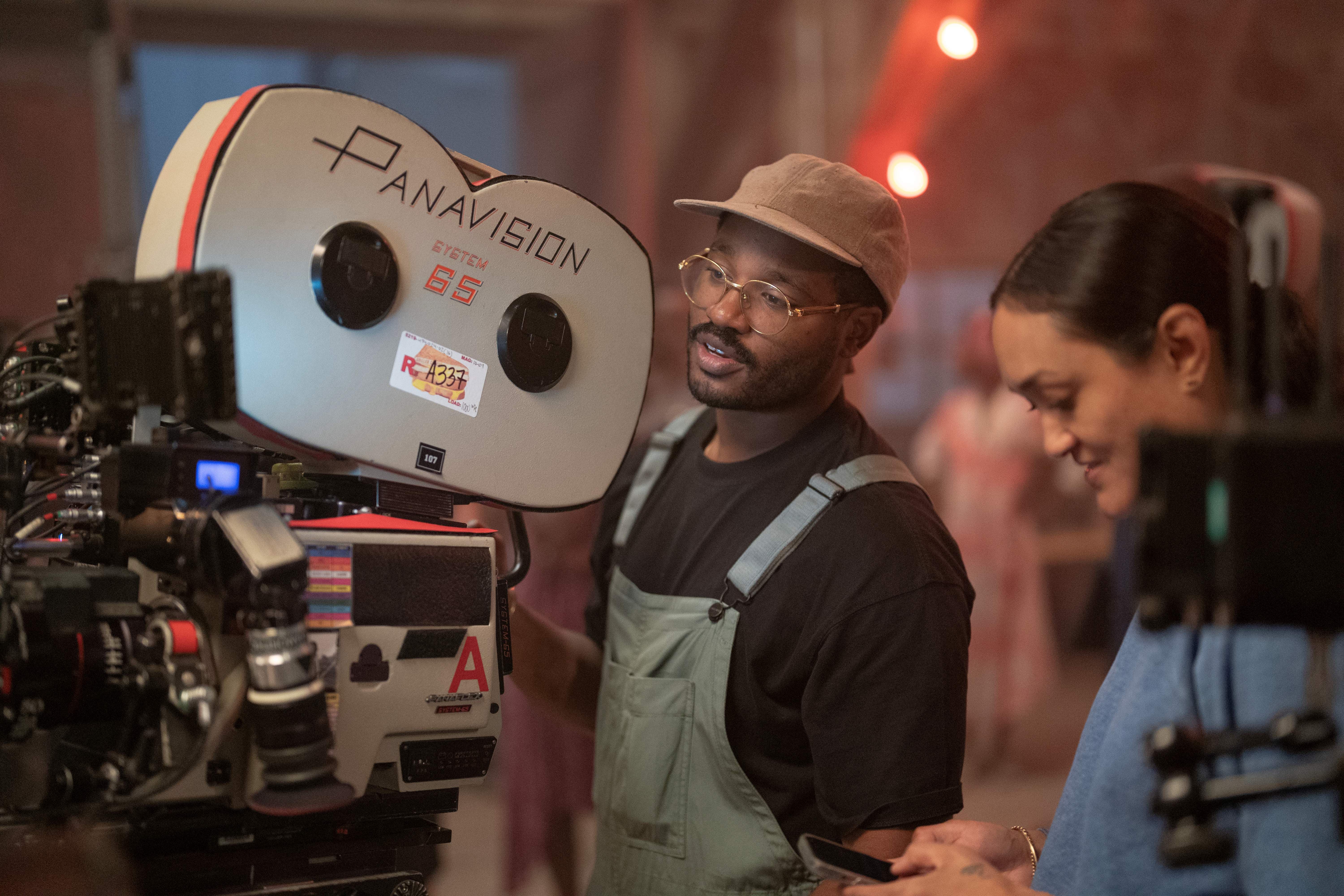 “Sinners.” (Warner Bros.)
Ryan Coogler emerges as one of the night’s most decisive frontrunners in original screenplay. “Sinners” has swept every major precursor — BAFTA, Critics Choice and the Writers Guild — a combination that has predicted the Oscar winner in all nine previous instances over the past 25 years. No other contender has claimed a single televised or guild victory this season, leaving Coogler with an unusually uncontested path.
With industry consensus firmly behind him and a precursor run that has historically translated to an Oscar every time it has appeared, Coogler enters the ceremony strongly positioned to add original screenplay to the film’s overall haul.
Adapted Screenplay — Paul Thomas Anderson, “One Battle After Another”
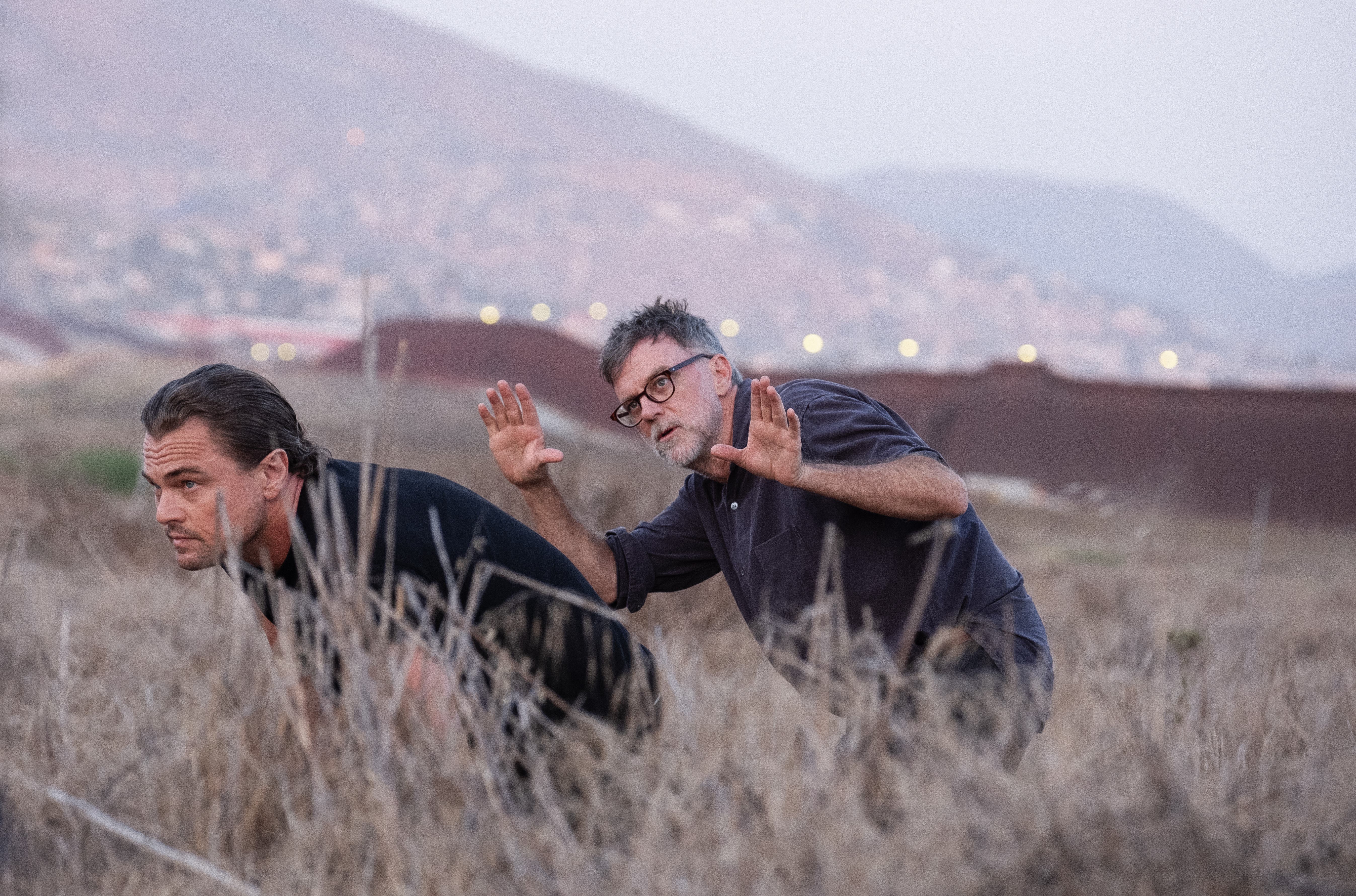 “One Battle After Another.” (Warner Bros.)
Paul Thomas Anderson stands as the clear favorite to win one of the night’s most commanding races in adapted screenplay. “One Battle After Another” swept the major precursors — BAFTA, Critics Choice and the Writers Guild — a combination that has predicted the Oscar winner every time it has occurred in this category since 2010. No rival has managed a single televised or guild victory, leaving Anderson with a level of dominance rarely seen in the adapted screenplay category.
With the writers branch and the broader industry aligned behind him, Anderson enters the ceremony strongly positioned to extend his sweep all the way to the Oscar stage.
Best Cinematography — Michael Bauman, “One Battle After Another”
.jpeg) “One Battle After Another.” (Warner Bros.)
“One Battle After Another.” (Warner Bros.)
Cinematography has crystallized into one of the night’s most decisive races. Historically, only one film has ever lost ASC (the American Society of Cinematographers), BAFTA and the BSC (the British Society of Cinematographers) and still gone on to win the Oscar. Since 1990, 15 films have claimed both ASC and BAFTA — all but two converted that pairing into an Academy Award.
Against that backdrop, Michael Bauman’s sweep of all three major industry prizes for “One Battle After Another” places him in the strongest statistical position of any nominee. Autumn Durald Arkapaw, his closest competitor for “Sinners,” earned BAFTA and BSC nominations along with significant critical acclaim, but her absence at ASC — the most predictive cinematography precursor — leaves her without the momentum that typically anchors a winning campaign. With every key cinematography body aligned behind him, Bauman is overwhelmingly favored to continue his season‑long dominance on Oscar night.
Best Film Editing — Andy Jurgensen, “One Battle After Another”
.jpg) “One Battle After Another.” (Warner Bros.)
“One Battle After Another.” (Warner Bros.)
Film editing presents one of the night’s clearest craft races. “One Battle After Another” swept all three major precursors — ACE (the American Cinema Editors Awards), BAFTA and Critics Choice — a combination that has predicted the Oscar winner in the vast majority of recent years.
Andy Jurgensen’s work has dominated every industry checkpoint, and the ACE–BAFTA pairing in particular has historically been the strongest indicator of Academy success. Jennifer Lame, the editor of “Sinners” and Jurgensen’s closest competitor, earned key nominations but fell short where it mattered most, losing both ACE and BAFTA to him. With every major precursor pointing in the same direction, Jurgensen is overwhelmingly favored to take home the Oscar for film editing.
Best Production Design — “Frankenstein”
 “Frankenstein.” (Netflix)
Production design has clarified dramatically after the precursors, with “Frankenstein” emerging as the category’s strongest contender. It won both the ADG Award in the period category (the Art Directors Guild Awards) and the BAFTA for production design — a combination that has historically aligned with the eventual Oscar winner roughly 80 to 85 percent of the time.
The film’s richly constructed environments, layered period textures and cohesive visual architecture give it the kind of comprehensive world‑building the branch consistently rewards. While “One Battle After Another” and “Sinners” each field notable achievements, neither secured the precursor sweep that typically defines this race. With both major industry prizes reinforcing its dominance, “Frankenstein” stands as the clear favorite for production design.
Best Costume Design — “Frankenstein”
.jpg) “Frankenstein.” (Netflix)
“Frankenstein.” (Netflix)
Costume design has tightened into a two‑horse race between “Frankenstein” and “Sinners,” but the season’s statistical profile places “Frankenstein” in the stronger position. BAFTA’s costume design winner has matched the eventual Oscar recipient roughly 70 percent of the time over the past two decades, and films that have paired a BAFTA victory with a CDG win (the Costume Designers Guild Awards) have converted that combination into the Academy Award in eight of the last 10 years.
“Sinners” remains a compelling challenger with a sharply defined contemporary aesthetic, yet it lacks the precursor alignment that typically signals an Oscar triumph. With the most predictive indicators pointing its way, “Frankenstein” enters the final stretch as the category’s likeliest victor.
Best Makeup and Hairstyling — “Frankenstein”
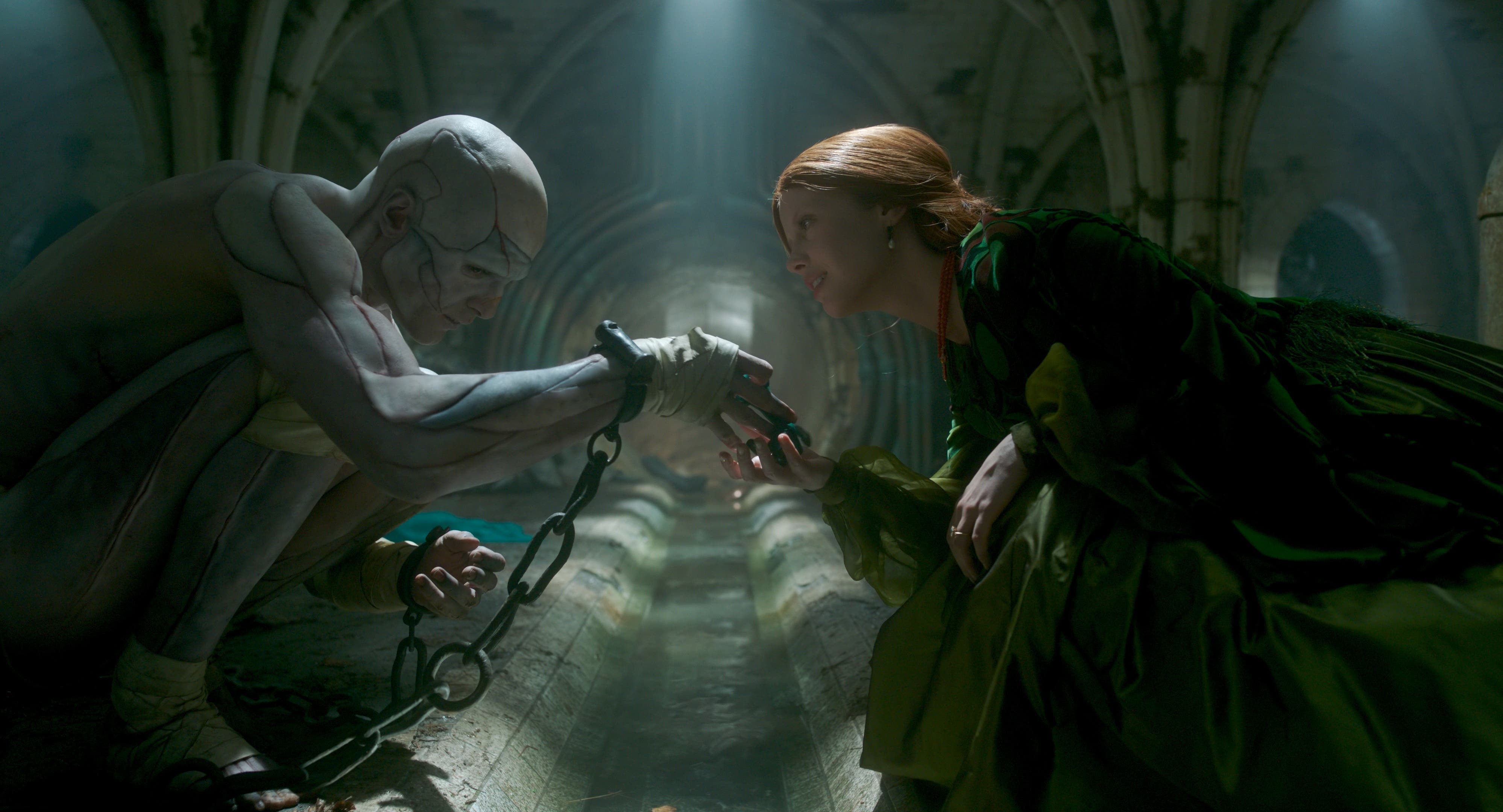 “Frankenstein.” (Netflix)
Makeup and hairstyling often favor films built around bold, transformative prosthetic work, and “Frankenstein” enters the final stretch with the clearest advantage after winning the Makeup Artists & Hair Stylists Guild’s special make‑up prosthetics award (the guild division that most closely mirrors the Academy’s taste). Its emphasis on full‑body transformation and character‑driven effects aligns squarely with what this branch tends to reward.
“Sinners” swept the guild’s period and character categories for both makeup and hair styling, a strong showing that keeps it in the hunt and gives it a plausible upset path if voters prioritize detailed character work over prosthetics. But with the guild’s most Oscar‑predictive prize in its column, “Frankenstein” holds the edge.
Best Sound — “F1”
 “F1.” (Warner Bros.)
Best sound has crystallized into one of the night’s most decisive races, with “F1” holding a commanding lead after sweeping every major precursor that historically matters.
It claimed the Cinema Audio Society Award, BAFTA, AMPS (the Association of Motion Picture Sound) and Critics Choice — a quartet achieved only four times in the past decade, and in every instance (“Gravity,” “Bohemian Rhapsody,” “Sound of Metal” and “Dune”), the sweep translated directly into the Oscar.
“Sinners” made noise at MPSE (the Motion Picture Sound Editors) with wins in music editing and dialogue/ADR, and “Frankenstein” picked up effects/foley, but neither film has the comprehensive industry alignment that typically signals an Academy winner. With the full CAS–BAFTA–AMPS–Critics Choice run behind it, “F1” enters the final stretch as the overwhelming favorite for best sound.
Best Visual Effects — “Avatar: Fire and Ash”
 “Avatar: Fire and Ash.” (20th Century Studios)
Visual effects has become one of the season’s most straightforward races, with “Avatar: Fire and Ash” holding a commanding lead after winning the VES Award’s top photoreal feature prize (the Visual Effects Society’s highest honor for feature work) — historically the strongest predictor of the Oscar. That category has matched the Academy in nine of the past 10 years, giving the film the clearest statistical advantage.
BAFTA went in a different direction with “Frankenstein,” highlighting appreciation for its practical‑digital blend, but BAFTA alone has rarely overturned a VES‑backed frontrunner. With the full weight of the visual effects community behind it, “Avatar: Fire and Ash” enters the final stretch as the overwhelming favorite for visual effects.
Best Original Score — “Sinners”
.jpg) “Sinners.” (Warner Bros.)
“Sinners.” (Warner Bros.)
Original score has narrowed into a two‑film race between “Sinners” and “Frankenstein,” but “Sinners” holds the clearer path after sweeping the season’s key precursors, including the Golden Globe and BAFTA — a pairing that has aligned with the Oscar winner for most of the past decade.
“Frankenstein,” despite lacking a major win, remains the only credible spoiler thanks to its strong critical reception and the branch’s willingness to reward bold, composer‑driven work even without precursor momentum. With industry alignment on one side and artistic passion on the other, the category has distilled into a classic frontrunner‑versus‑spoiler dynamic, though “Sinners” enters the final stretch in the strongest position to win original score.
Best Original Song — “Golden,” from “KPop Demon Hunters”
 “KPop Demon Hunters.” (Netflix)
“Golden” from “KPop Demon Hunters” has led this race since the moment it debuted, and its momentum has only grown. The song became a breakout hit and earned a major industry boost with its Grammy win for best song written for visual media, the award most closely aligned with the Oscar’s focus on original film songwriting.
Its strong showing at the Annie Awards, where the film swept its music and craft categories, further underscores the depth of support behind it. That recognition, combined with its visibility throughout the campaign and its central role in the film’s emotional arc, gives it a level of momentum no other nominee has matched. With both industry acclaim and broad audience resonance, “Golden” enters the final stretch in the strongest position to win best original song.
Best International Feature Film — “Sentimental Value”
 “Sentimental Value.” (Mubi)
Best international feature film ultimately comes down to the two nominees that also broke into best picture, but the depth of support behind them makes the distinction clear. Brazil’s “The Secret Agent” earned just two nominations — picture and international — suggesting broad respect but limited backing from the Academy’s craft and performance branches.
Norway’s “Sentimental Value,” by contrast, secured eight nominations across picture, director, three acting categories, editing and international feature, signaling far deeper enthusiasm across multiple voting blocs. With historical precedent favoring the best picture crossover — and the nomination haul revealing which film the Academy embraced more fully — “Sentimental Value” is well positioned to win international feature.
Best Animated Feature Film — “KPop Demon Hunters”
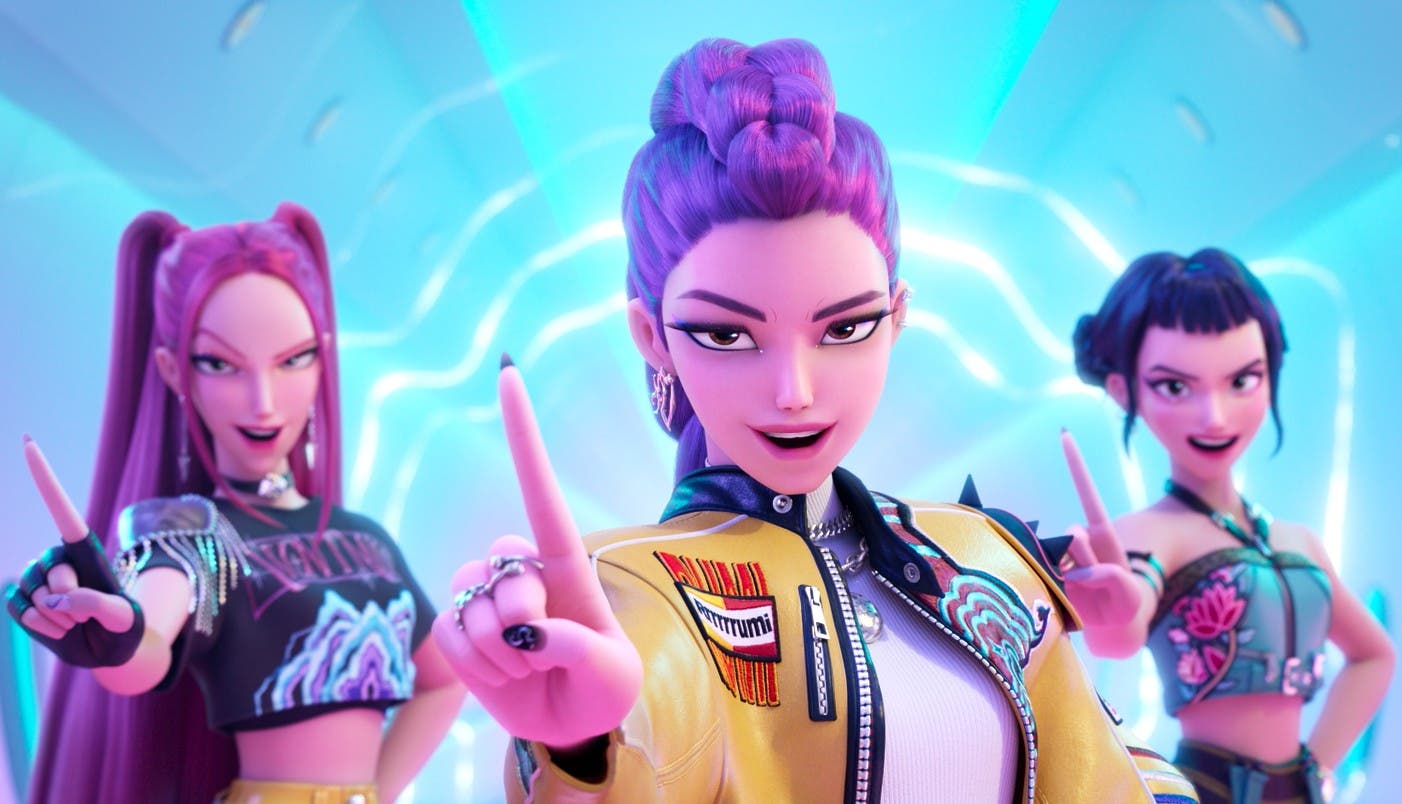 “KPop Demon Hunters.” (Netflix)
Best animated feature has taken on a clear shape as the season has progressed, with “KPop Demon Hunters” building the kind of momentum that’s hard to ignore. Its sweep at the Annie Awards — winning all 10 of its nominations — signals overwhelming enthusiasm from the animation community and reflects a depth of craft support that often carries over to the Academy. With no Pixar juggernaut in the mix and no best picture crossover to complicate the race, “KPop Demon Hunters” enters the final stretch with the strongest momentum, backed by both industry acclaim and broad audience visibility.
Best Animated Short Film — “Butterfly”
Animated short film remains one of the season’s more open races, but “Butterfly” has emerged as a leading contender thanks to its striking visual design and strong festival‑driven critical response. Its artistic ambition, distinctive aesthetic and clarity of vision — traits that reliably catch the attention of voters in this branch — give it a quietly commanding presence.
“Retirement Plan” remains a meaningful challenger, supported by jury recognition and attention for its precise visual storytelling, though its momentum has been shaped more by festival accolades than by the broader craft‑focused spotlight surrounding “Butterfly.”
Best Live Action Short Film — “Two People Exchanging Saliva”
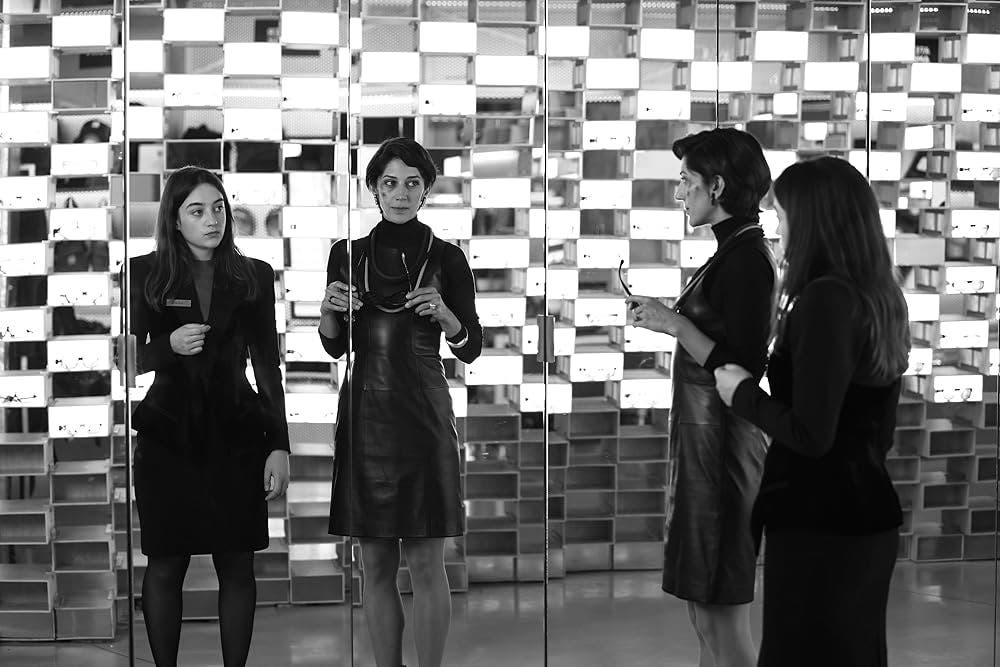 “Two People Exchanging Saliva.” (The New Yorker)
Live action short film is another volatile race, but “Two People Exchanging Saliva” stands out for its sharp execution and distinctive voice, giving it the kind of immediate impact that often carries this category.
“The Singers” remains the spoiler, backed by its scale, emotional reach and polished presentation — qualities that could appeal to voters who favor more traditional, narrative‑driven shorts. With one film defined by bold personality and the other by classical appeal, the race shapes up as a genuine two‑way contest, though “Two People Exchanging Saliva” enters the final stretch with the clearer edge.
Best Documentary Feature — “The Perfect Neighbor”
 “The Perfect Neighbor.” (Netflix)
Documentary feature is one of the night’s tougher races, but the season has clarified the field. BAFTA has been the most reliable precursor in recent years, and its winner, “Mr. Nobody Against Putin,” enters with the strongest statistical footing. But this is also the category where visibility often outweighs precursor math.
“The Perfect Neighbor,” boosted by Netflix’s reach and far broader viewership, has been the most widely seen and discussed nominee. In a branch where voters frequently default to the film they’ve actually watched, that advantage becomes decisive. In a year without a dominant consensus, platform presence and voter familiarity give “The Perfect Neighbor” the clearest path to the win.
Best Documentary Short Film — “All the Empty Rooms”
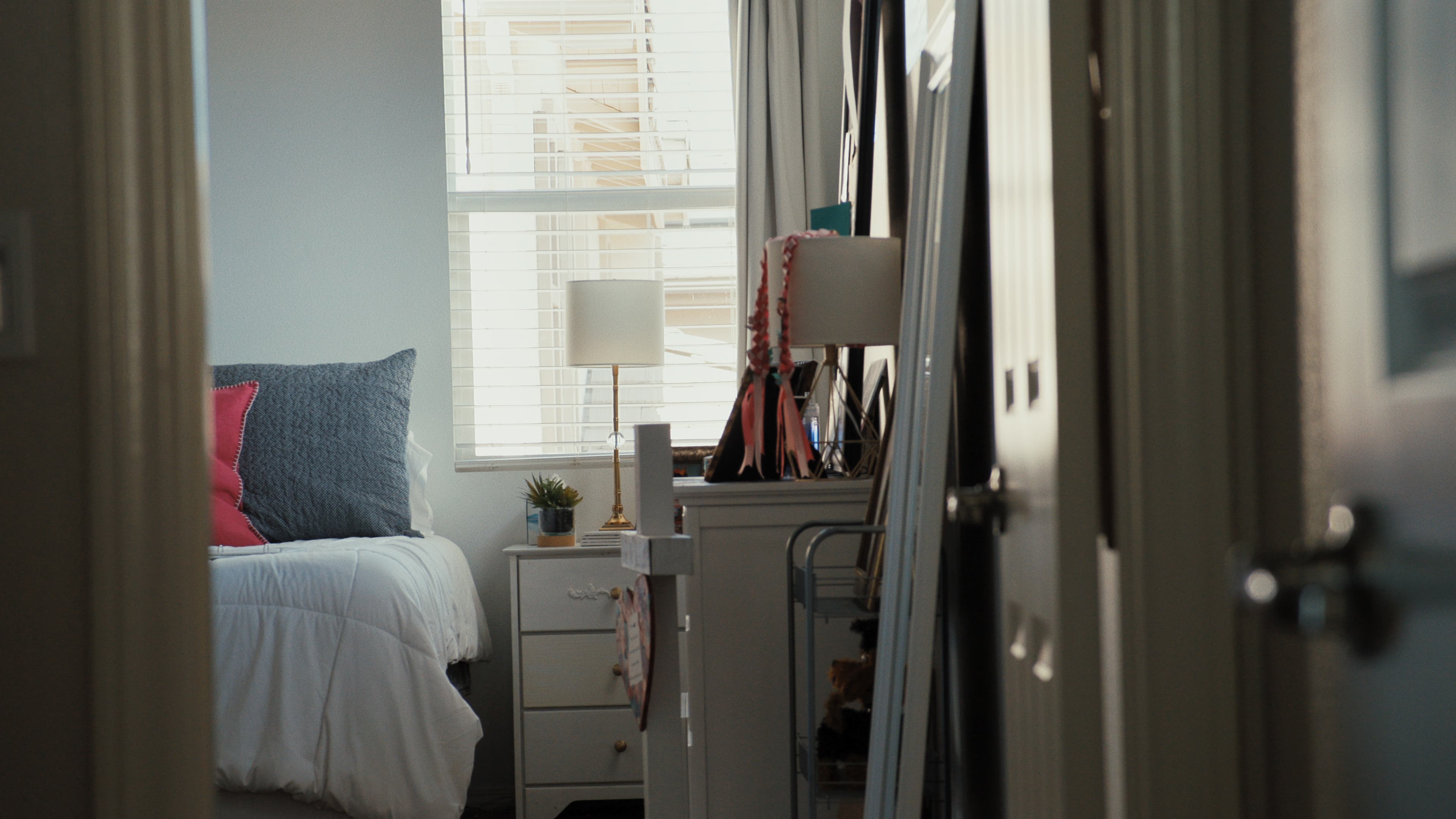 “All the Empty Rooms.” (Netflix)
Documentary short film is always one of the Academy’s most unpredictable categories, but “All the Empty Rooms” holds the clearest path to victory. Its intimate, emotionally immediate profile aligns with the kind of personal, grief‑driven storytelling that has defined many recent winners, giving it the strongest statistical footing in a field that thrives on volatility.
“The Devil Is Busy” stands as the spoiler — the one film with enough urgency and topical force to pull an upset if voters pivot toward sharper, issue‑driven storytelling. With no broader precursor alignment to disrupt the race, “All the Empty Rooms” enters the final stretch as the most compelling and historically aligned contender for documentary short.
Best Casting — “Sinners”
.jpeg) “Sinners.” (Warner Bros.)
“Sinners.” (Warner Bros.)
“Sinners” is the clear pick for the first ever casting Oscar. The Academy almost always chooses an inaugural winner that defines the category, and “Sinners” does exactly that: a deep, multigenerational ensemble, breakout performances woven into a lived‑in world, and casting choices that feel inseparable from the film’s identity. It’s the kind of achievement that articulates what the branch wants this award to represent.
The closest alternative is “One Battle After Another,” whose sprawling ensemble and sharply calibrated performances give it a credible foothold if voters look for scale and precision over intimacy. But unless the race breaks unexpectedly, the symbolic, category‑setting win still points toward “Sinners.”
With both artistic intent and industry momentum aligned, “Sinners” enters the final stretch as the strongest contender for casting.
Get more local news delivered straight to your inbox. Sign up for free Patch newsletters and alerts.