
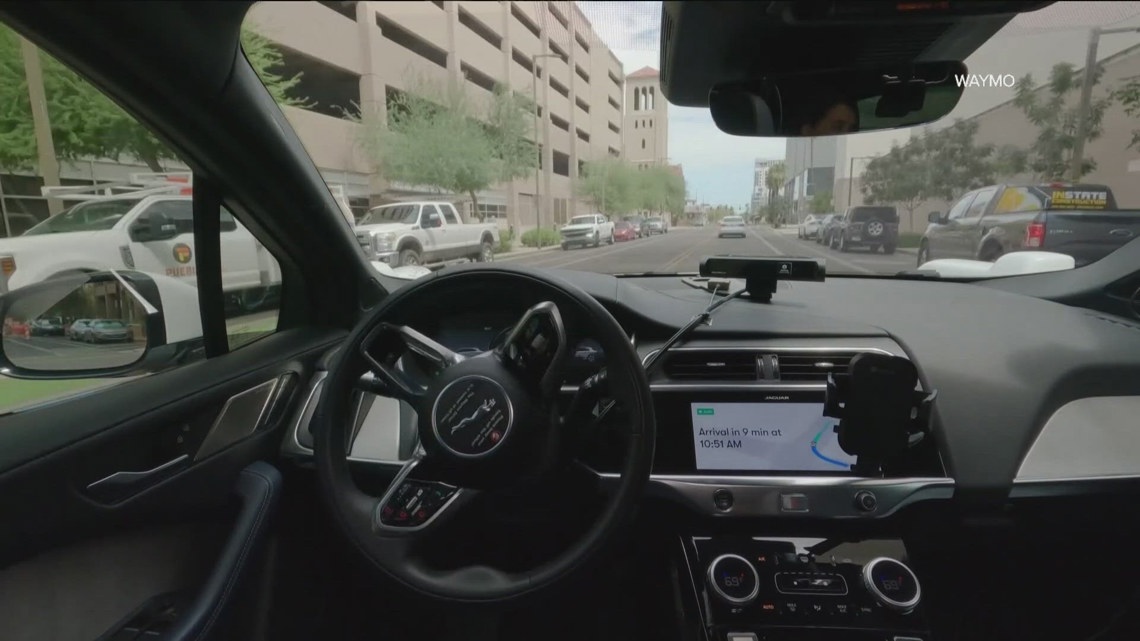
A University of California San Diego study reveals significant public wariness towards autonomous vehicles, with most fearing increased inequality and job disruption
SAN DIEGO — Findings from a University of California, San Diego study revealed significant public hesitation about autonomous vehicles.
More than 60% of survey respondents said they would probably or definitely avoid riding in a driverless car, according to findings published by UC San Diego based on research led by Behram Wali, an Assistant Professor of Transportation at UC San Diego. The study surveyed more than 4,600 people nationwide to gauge public sentiment about the technology.
Public concerns about autonomous vehicles extend far beyond safety issues. Approximately 47% of respondents believe driverless cars could exacerbate income inequality, while about 85% worry that autonomous vehicles could disrupt employment in ride-hail, ride-share and delivery services.
“In this study, we are really looking into how people might adopt this technology,” Wali said.
Job loss concerns emerged as a particularly significant finding for researchers.
“We were expecting that there would be some concern, but having more than half of a sample worried about the social economic implications was something unexpected, but this study basically provides that evidence base for decision makers to eventually start having these discussions around the role of automated vehicles when it comes to the social and economic fabric of our society,” Wali said.
The research uncovered notable differences in how groups view autonomous vehicles. According to Wali, higher-income, more educated and tech-savvy individuals demonstrated greater willingness to use these vehicles in the future. These same groups, however, expressed heightened concern about the negative impacts of autonomous vehicles on employment and socioeconomic disparities. Conversely, lower-income people and those living in rural areas demonstrated reluctance to adopt the technology and viewed it as a threat to employment and an accelerant of inequality.
“San Diego is a very vibrant and diverse city, we have different demographics. People belong into all these different walks of life, so I would say least from an employment perspective, it’s going to certainly have an immediate impact on people in the gig economy, specifically the shared mobility services,” Wali said.
In January, CBS 8 reported that the San Diego Metropolitan Transit System Board urged state leaders to grant local cities greater control over driverless vehicle operations. The board voted to file a formal protest with state regulators and support blocking Waymo service at the airport.
To learn more about the study’s findings, visit today.ucsd.edu/story.