
Reading Time: 2 minutes
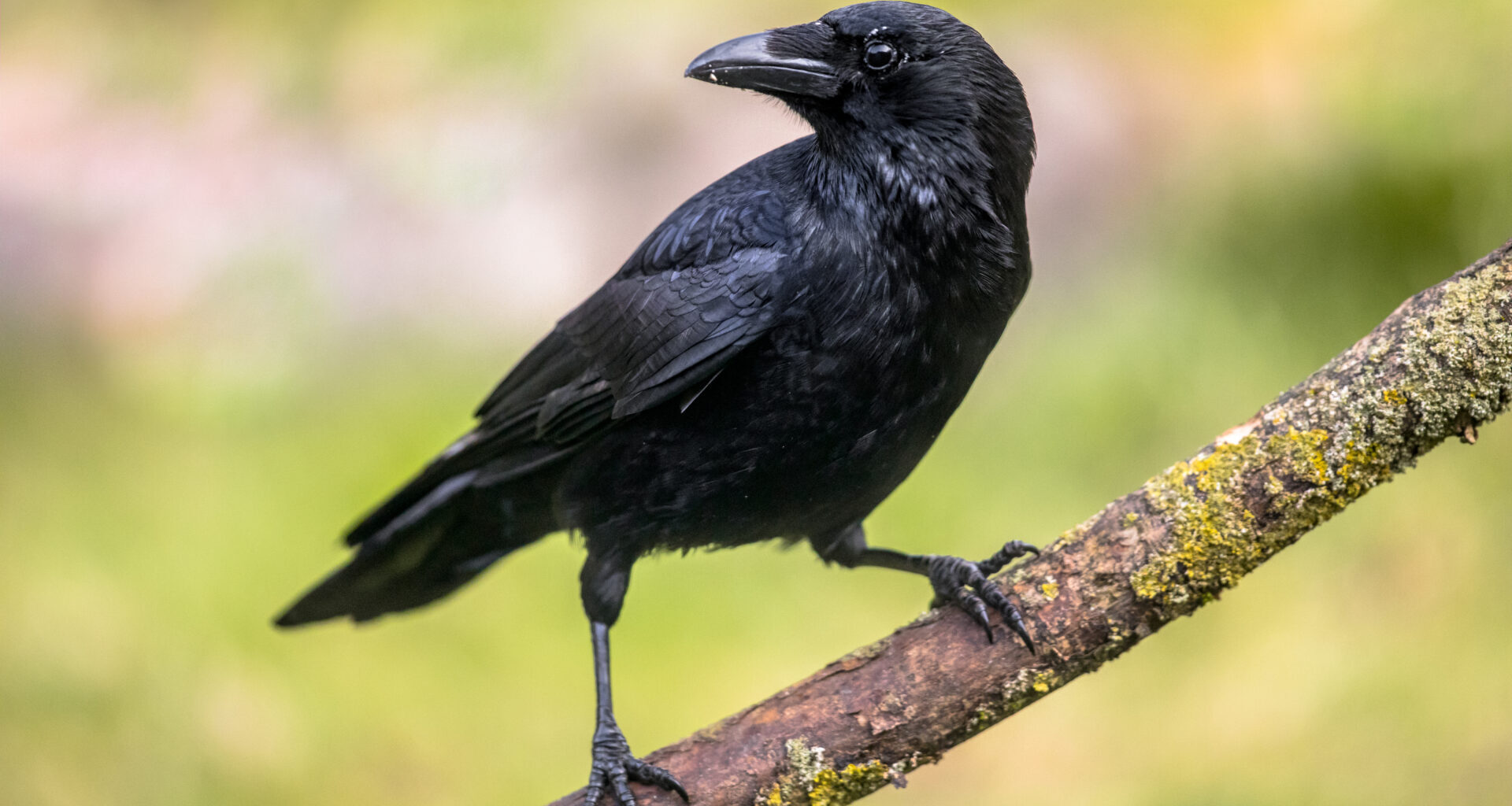
A dead American crow recently found in the North Park area has tested positive for West Nile virus (WNV), prompting County environmental health officials to remind people to protect themselves from mosquitoes that can spread the disease to people.
West Nile virus is primarily a bird disease, but it can be transmitted to humans when certain types of mosquitoes feed on an infected bird and then bite people.
The crow is the first detection of West Nile virus in San Diego County this year. No human West Nile virus cases have been reported this year.
However, West Nile virus remains a potentially deadly threat. In 2015, 44 San Diego County residents tested positive for West Nile virus and six county residents died.
Warm Weather Brings Mosquitoes
Warmer temperatures combined with winter rain can bring an earlier start to mosquito season in San Diego County.
The County has already detected early mosquito activity. In response, County Vector Control is increasing surveillance and treating mosquito breeding sources.
The County’s Integrated Vector Management Strategy includes monitoring roughly 1,600 potential mosquito breeding sites and applying larvicide by air, boat, truck and hand crews.
County Vector Control staff also respond to community complaints about increases in mosquito numbers and give presentations to neighborhood groups about mosquito prevention.
How to Prevent West Nile Virus
County officials are reminding residents to follow the “Prevent, Protect, Report” guidelines.
Prevent mosquito breeding
Protect yourself from mosquito bites
Wear long sleeves and pants or use insect repellent when outdoors.
Use EPA-recommended repellentscontaining DEET, picaridin, oil of lemon eucalyptus, paramenthanediol, 2undecanone, or IR3535.
Ensure window and door screens are in good condition and properly secured.
Report possible mosquito activity and dead birds
Report increased mosquito activity, stagnant, green swimming pools and other mosquito-breeding sources, or dead birds—especially crows, ravens, jays, hawks, and owls—to the County Vector Control Program by calling (858) 694-2888 or emailing vector@sdcounty.ca.gov.
For more information, including other services available through the Vector Control Program, visit the County’s “Fight the Bite” website.