
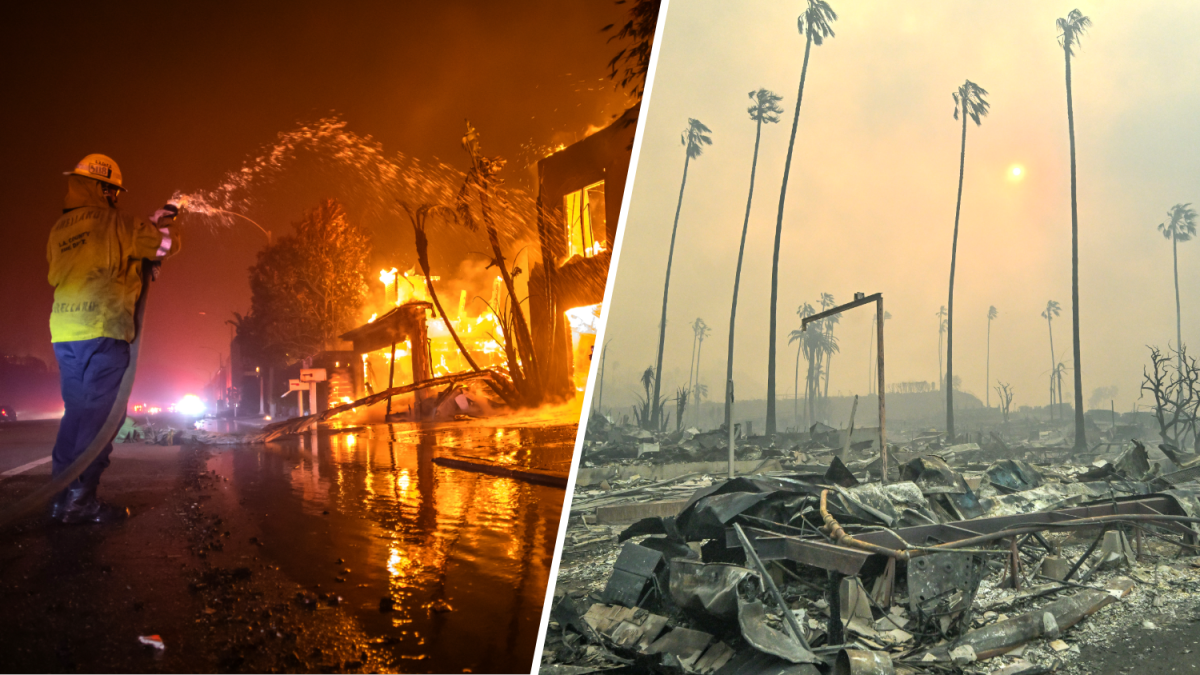
The County of Los Angeles launched a community survey this week to gather feedback from residents impacted by the deadly January 2025 Eaton and Palisades fires.
The survey is open through April 24. It’s part of the county’s independent After-Action Review of fire recovery and repopulation efforts conducted by the McChrystal Group following the historic fires in the Palisades and Altadena.
According to the county, the survey is designed to gather information on how residents used its disaster services in the aftermath of two of the deadliest and most destructive wildfires on record in California.
The survey seeks input from residents who evacuated their homes, experienced property damage, used a disaster shelter, accessed debris removal or recovery services, or attempted to volunteer or donate during the fires.
Residents who were not directly impacted can also share their thoughts about LA County’s response.
The county said answers collected through the anonymous, 10-minute survey will help the county review and make improvements to its disaster recovery operations.
The Eaton and Palisades Fires
The Eaton and Palisades Fires sparked on Jan. 7, 2025, and weren’t fully contained until Jan. 31, 2025 — 24 devasting days for Los Angeles County.
According to Cal Fire, the Eaton Fire scorched 14,021 acres in Altadena and Pasadena, killing 19 people and destroying 9,414 structures, including homes and commercial buildings. The Palisades Fire burned 23,448 acres, killing 12 people and destroying 6,837 structures.
Arson is suspected in the cause of the Palisades Fire. Federal prosecutors have charged a 30-year-old man with causing the earlier Lachman Fire, which was contained within a few hours on New Year’s Day before re-igniting into the Palisades Fire.
Southern California Edison and its parent company, Edison International, are being sued by thousands of residents who allege faulty power lines sparked the Eaton Fire. This past January, the utility filed a lawsuit against LA County and six water agencies alleging that their failures to clear dense brush and maintain working hydrants contributed to the death and destruction in the Eaton Fire.