
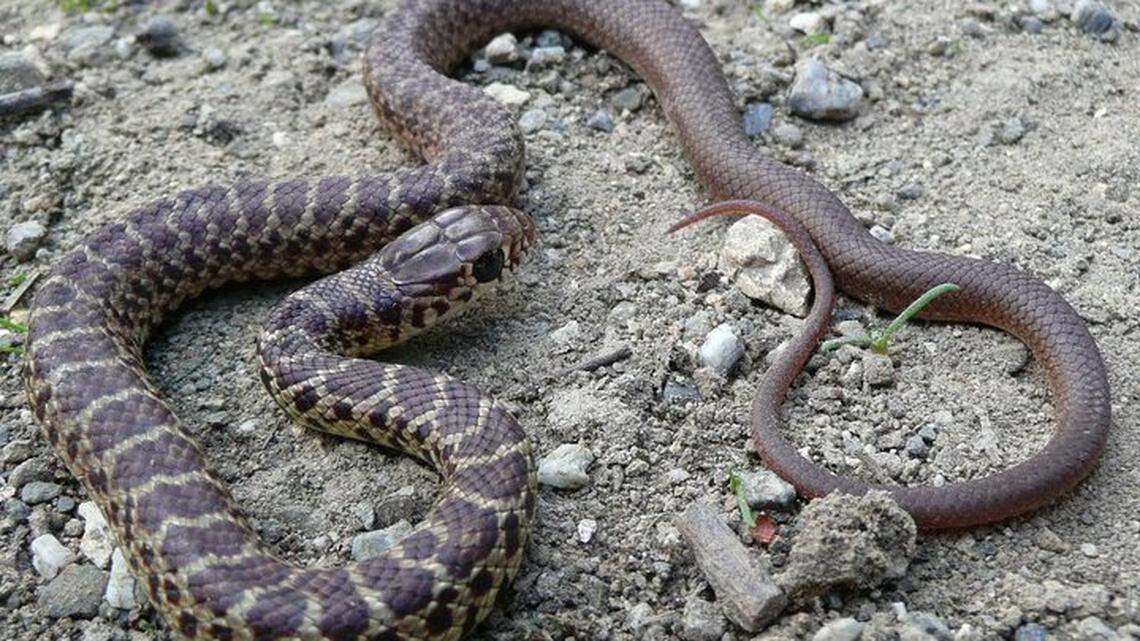
A mountain biker in Southern California has died following a rattlesnake bite in early February, reports said.
Julian Hernandez, 25, of Costa Mesa, was bitten on Feb. 1 while bicycling at a trailhead, KTLA reported.
Hernandez fell into a coma and remained in an intensive care unit at a hospital, the station said. His family confirmed March 4 that he had died.
Here’s what you need to know about rattlesnake safety:
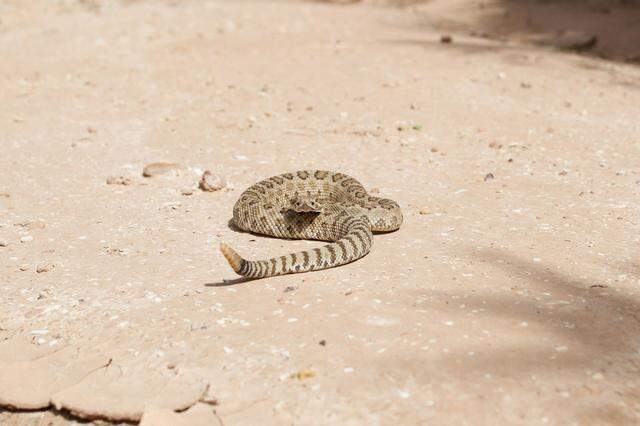 An Orange County man has died after being bitten by a rattlesnake (not the one pictured) Feb. 1. Cy Lindberg via Unsplash What should I do if I get bitten by a rattlesnake?
What to do
Stay calm to slow the spread of the venomTry to remember the color and shape of the snake for later treatmentDial 911 and seek medical attention as soon as possible
If you can’t get to the hospital right away, lay or sit down with the bite below the level of your heart. Then wash the wound with warm, soapy water and cover it with clean, dry material.
What not to do
Here’s what not to do, according to the U.S. Centers for Disease Control and Prevention:
Do not pick up the snake or try to trap itDo not apply a tourniquet (material used to prevent blood flow)Do not slash the wound with a knifeDo not suck out the venomDo not apply ice or soak the wound in waterDo not drink alcoholDo not drink caffeineHow to identify rattlesnakes
Seven different species of rattlesnake can be found across California.
The most common is the western rattlesnake, which can be found from sea level to elevations of 7,000 feet, according to the California Department of Fish and Wildlife.
Rattlesnakes can be recognized by the distinct sound their rattles make.
The snakes can, however, lose their rattles or simply decide not to use them.
In that case, you can identify them by their gray or light brown exteriors and triangular-shaped heads. They usually range between 2 feet and 4 feet in length and can easily camouflage themselves to match their surroundings.
The reptiles typically hang out under rocks, logs and woodpiles, according to the National Park Service.
Once a snake is ready to raise its body temperature, it will move into sight.
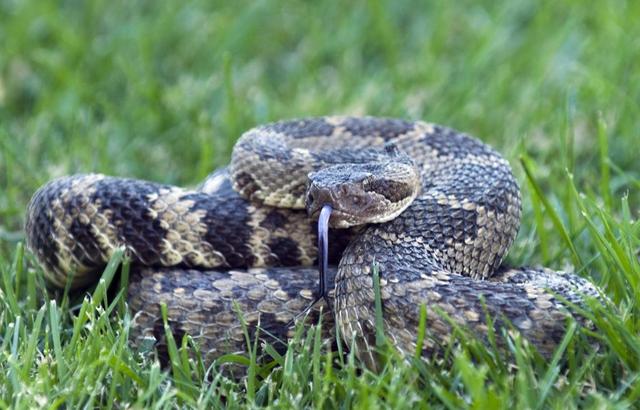 Snake wrangler Len Ramirez shows a 3-foot rattlesnake that he caught in 2012 in Lincoln. Lezlie Sterling lsterling@sacbee.com How to avoid rattlesnakes
While most snake bites occur when the animal is handled or accidentally touched, remember you are not their prey.
“Rattlesnakes aren’t aggressive to humans unless threatened or frightened,” Stephen Nett, a Bodega Bay-based naturalist, wrote on Sonoma County Regional Park’s blog.
The snakes are typically shy around bigger animals and instead feed on mice and other rodents.
They will rattle if they sense prey and try to escape.
Let them do so.
A rattlesnake can strike as far as two-thirds of its body length. Remain at least 10 steps away from it, or as far as possible, if you encounter one on a trail.
If you do get bit, chances are the wound will be on your hand, foot or ankle, according to the U.S. Department of Agriculture.
Here are the USDA’s tips to avoid rattlesnakes while outdoors:
Prepare for your hike
Wear over-the-ankle boots, thick socks and loose-fitting long pants.Don’t go barefoot or use sandals
While on your trip
Stick to well-used trails when exploringAvoid walking through tall grass and weedsWatch where you stepAvoid wandering in the darkWhen going over fallen trees or large rocks, inspect the surrounding areas to make sure there are no snakesBe cautious when climbing rocks or gathering firewoodShake out sleeping bags before using them and inspect logs before sitting down
Other tips
Avoid grabbing sticks and branches while swimming in lakes and rivers, snakes can swim and can sometimes pass for sticksAvoid approaching any snake. Even a freshly killed snake can still inject venomWhat if my dog gets bitten?
Take your dog to a veterinarian as soon as possible.
Rattlesnake bite symptoms include puncture wounds, swelling, bleeding, pain, agitation or depression, according to UC Davis.
If your dog gets bitten in a remote location where a vet may not be nearby be sure to rinse the wound and reduce blood flow to the area.
Loading…
Related Stories from Sacramento Bee
The Sacramento Bee
Don Sweeney has been a newspaper reporter and editor in California for more than 35 years. He is a service reporter based at The Sacramento Bee.