
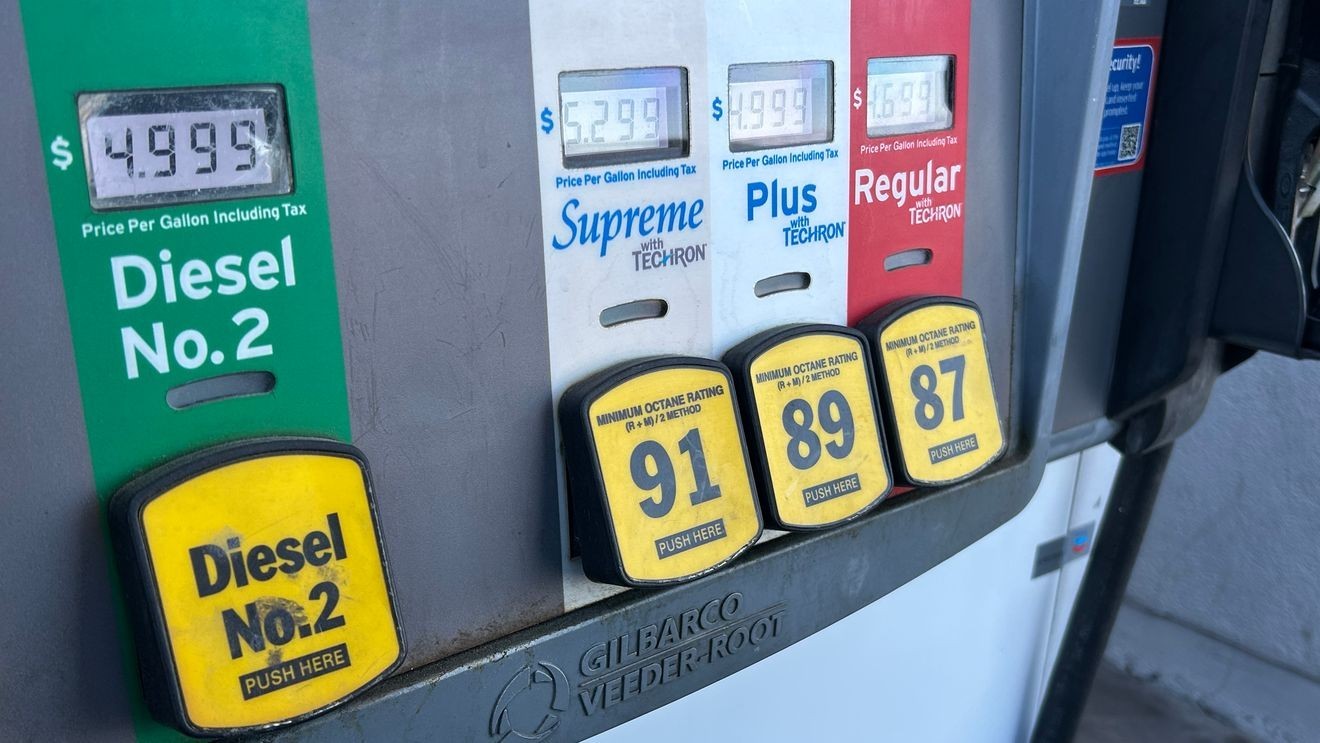
LAS VEGAS (KSNV) — Drivers across Southern Nevada are feeling the sting at the pump as gas prices climb day by day and remain above the national average, with global tensions and regional supply issues adding to the pressure.
The average cost of gas nationwide is $3.60, but in Nevada it is $4.40. The spike comes as Iran’s new leader has promised to keep the Strait of Hormuz locked down, a key route for global oil shipments.
“The global market is completely unsettled, and the thing to watch is that straight of Hormuz,” said Rob Stutzman, a political analyst with Stutzman Public Affairs.
The Strait of Hormuz separates Gulf states like Bahrain, Qatar, and the United Arab Emirates from Iran. Those states rely on safe passage through the strait to help move oil that feeds the world’s supply. Iran is not letting anyone through, and Stutzman said that is keeping prices elevated.
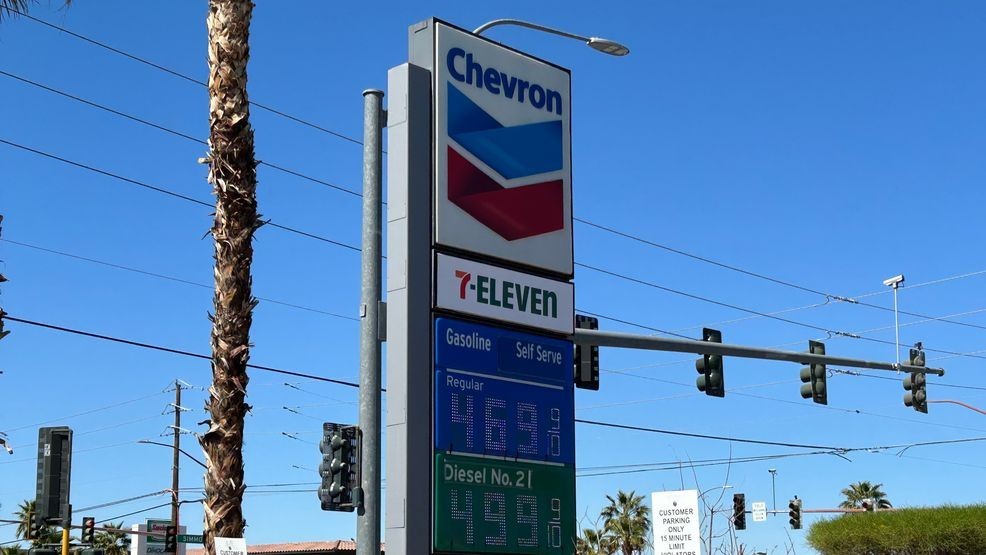
“That is the most fundamental price issue that is occurring at the moment. On top of that is California regulations,” Stutzman said.
Those California regulations include state taxes totaling around a dollar extra per gallon for commuters in California, and producing gas in California is becoming more expensive. Those costs can ripple into Nevada because of where the state gets much of its fuel.
“The problem for Nevada and Arizona is a preponderance of their gasoline comes from California refineries,” Stutzman said.
Republican political consultant Matt Klink of Klink Campaigns blamed California leadership and policies for driving up costs.
“This is part of the plan for Gavin Newsom and California Democrats,” Klink said.
Klink said refinery closures have also tightened supply.
“Look, we have lost two oil refineries in the last six months who have shut down just because it was too expensive to operate, which means there is less supply. And it is the simple law of economics; supply and demand,” he said.
Nevada cannot easily switch to another supply source without major spending on new pipelines and fuel reserve infrastructure, Klink said.
“Unfortunately, we, the consumer, pay that price,” he said.
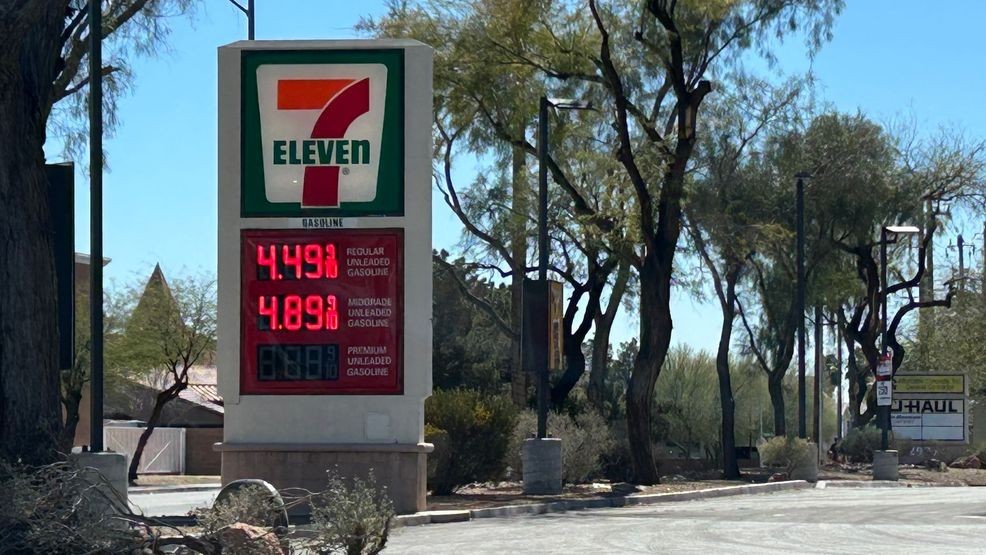
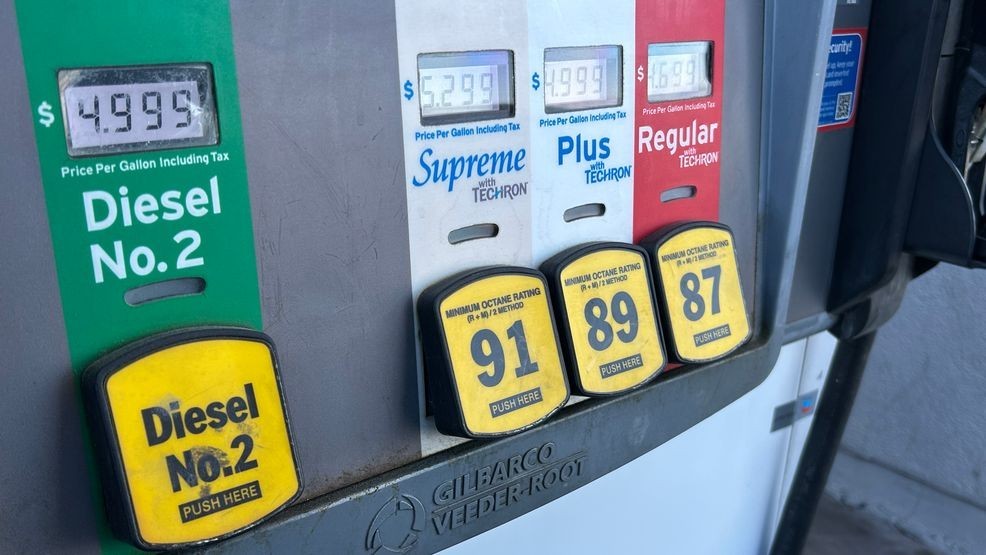
At some Las Vegas gas stations, $5 buys only a little more than one gallon for regular unleaded, underscoring how quickly costs add up for drivers.
“It made a significant jump in one day. It went from 30-40 cents a gallon, it went up,” one man said.
Las Vegas resident Jason Lopez said the increases have been rapid and painful.
“Within a week, we have got these gas prices going up, and nobody can afford that,” Lopez said.
Asked whether higher gas prices force financial trade-offs, Lopez said, “Yeah. Either gas and food.”
Another driver said the cost is affecting basic decisions about getting around.
“It makes me choose between getting gas and walking,” a woman said.
California’s cap-and-invest program, rebranded from cap-and-trade, is set to remain in place until 2045. It is among the policies the oil industry points to as contributing to higher operating costs, a dynamic that could keep Nevada prices above the national average for years to come.
Some drivers expressed concern that higher prices could last. One driver voiced confidence in President Trump’s argument that the spike is a temporary shock, while others were more skeptical. Another said she worries about her finances as long as the president is in office, and Lopez said he is focused on being able to feed his family as prices continue to rise.