
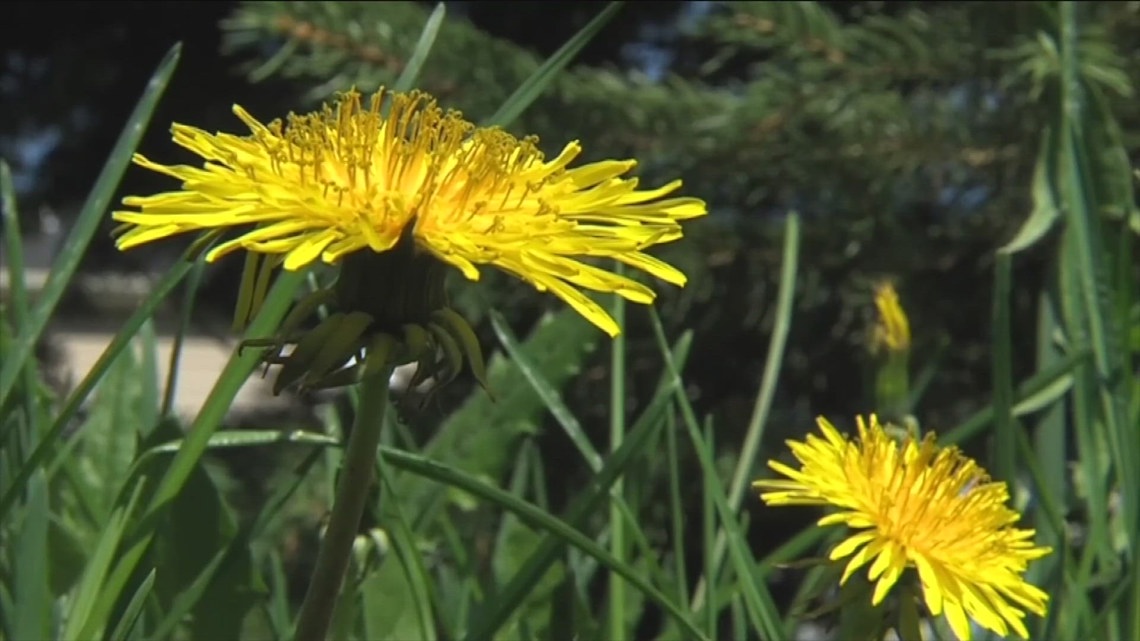
A new report ranks San Diego as the second worst city in the U.S. for pollen allergies in 2026, crediting rising pollen levels and longer seasons.
SAN DIEGO — A new national report is highlighting a surprising shift for allergy sufferers, showing several Western cities climbing the list of the worst places for pollen allergies. San Diego is now near the top.
The Asthma and Allergy Foundation of America ranked San Diego the second worst city in the country to live for people with pollen allergies in 2026.
For many residents, the symptoms are already noticeable.
“I definitely have been feeling it, my nose is so stuffy all the time,” said Lily, a San Diego resident dealing with seasonal allergies. “I felt the difference within the last couple weeks, month.”
For some, that also means adding allergy medicine to their daily routine.
“I use a nasal spray that helps, and I’ll have to use it daily. And then I also take an allergy pill daily too,” Stefany said.
If it feels like allergy season has gotten worse or longer in recent years, the data suggests that may be true.
San Diego jumped dramatically in the rankings— from number 97 last year to the second worst city in 2026.
According to the report, tree, grass and weed pollen levels have increased over the past year, and pollen seasons are lasting longer.
Weather patterns may also be contributing. The report points to atmospheric rivers, warmer temperatures and drought conditions as factors triggering more pollen spikes across the West Coast.
Dr. Yablonicky with Sharp Memorial Hospital said allergies are more common in San Diego than some people might expect.
“I was surprised by how many people out here have allergies, because it’s not as green and lush as some other places, but I think it’s just different types of debris and allergens and dust,” Yablonicky said.
He said common allergy symptoms include itchy or irritated eyes, tearing and a runny nose. Some people may also experience a dry cough, skin irritation or respiratory issues.
Doctors recommend nasal sprays and oral antihistamines as common treatments. Rinsing the nose and sinuses with saline after spending time outdoors can also help remove allergens.
“After you’ve been out and about, blast out your nose and sinuses with some saline,” Yablonicky said. “It’s just salt water in a compressed can, and you can blast out those germs and allergens.”
Experts also recommend changing air purifier and air conditioning filters regularly to help reduce allergens indoors.
For many San Diegans dealing with symptoms this year, the experience feels familiar.
“I wake up and I’m already stuffed,” Stefany said. “I know it’s not the flu, I know it’s not the cold. And then once I have my medicine, I’m like, okay, good as new.”