
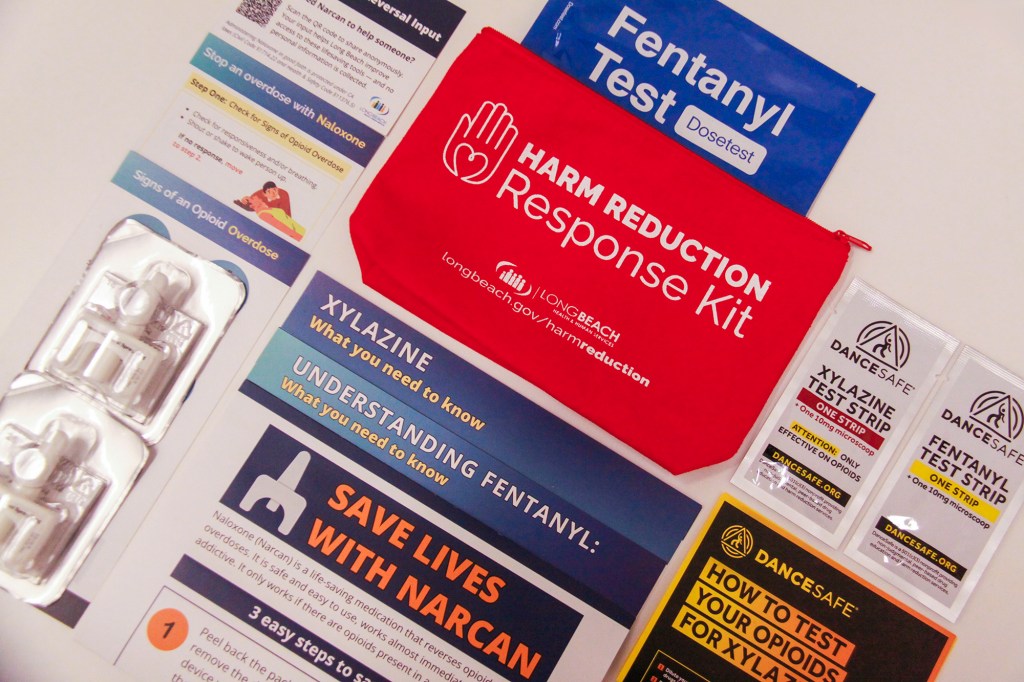
Over half a million Americans and tens of thousands of Californians have died since the overdose epidemic was declared a public health emergency in 2017. We have lost friends, family members, and loved ones. But for the first time in decades, overdose death rates are starting to trend down.
What is causing this decline, and how can local leaders expand on what is working? Health experts tell us that progress can be credited to investments in key health interventions: access to the overdose reversal medication naloxone, test strips that detect fentanyl, supportive housing, and expanded availability of medication treatment. These resources have saved thousands of lives.
Alarmingly, this progress is at risk of being reversed. Lifesaving programs across the country are having their budgets gutted and being forced to close their doors. As the Trump administration prioritizes military violence and displays of force at the expense of public health and safety, California’s leaders must stand up for proven health solutions and abandon ineffective approaches that treat addiction as a criminal problem.
Although the Trump administration often says that addressing the harms of fentanyl is a priority, their actions tell a different story. The administration has significantly cut funding for addiction treatment, community health programs, food assistance, and housing. At the same time, they are advancing a costly agenda abroad that uses drugs as a pretext to carry out illegal military strikes and escalate foreign conflicts. The decline in overdose deaths has nothing to do with these acts of war. The numbers were already dropping before President Trump took office.
The overdose crisis climbed sharply in 2018 and peaked in 2022 when 108,000 people died, as fentanyl spread across the country’s drug supply. Overdose deaths began dropping significantly in mid-2023 during the Biden administration. Naloxone became widely available, restrictions on medications for opioid use disorder loosened, and communities educated people on the risks of fentanyl. As these interventions expanded, overdose death rates continued steadily falling. Preliminary data shows a 20% drop in overdose deaths nationally from August 2024 to August 2025, and California estimates show a similar 21% decline from June 2024 to June 2025.
This is the result of decades of on-the-ground work. Across the state, community health clinics and syringe service programs are using practical health solutions. They hand out naloxone and risk reduction supplies like fentanyl test strips, empowering people to save lives. They facilitate access to medications—like methadone and buprenorphine—that reduce cravings, stave off withdrawal, and cut risk of overdose. And they engage in peer outreach in their communities, providing a safe space for people struggling with addiction to show up as they are. Many of those people get connected to supportive housing, medical care, and addiction treatment.
One example of low-barrier care is Los Angeles’ Skid Row Care Campus, a community space designed for the unhoused residents in the neighborhood. A person can swing by for a range of services, including access to showers and laundry, case management, basic health care, medication treatment, or fentanyl test strips. This multifaceted approach supports both mental and physical needs.
It’s this kind of smart, human-centered health care that addresses the complex root causes behind drug use—including trauma, chronic pain, or mental health crises—and keeps people alive. Thanks to the relentless work of these programs, Los Angeles County has made substantial progress in reducing fatal overdoses. Unfortunately, these are the very lifelines at risk due to federal funding cuts.
Contrary to what some may claim, California’s decline in overdose deaths is not the byproduct of drug arrests and harsh penalties. Overdoses were dropping well before California’s Proposition 36—the November 2024 measure to re-establish felony charges for simple drug possession—went into effect. Arrests have proven to be ineffective at stopping drug use, instead heightening risk of overdose and death.
This default response to drugs has failed for decades. A person scared of prison time may go deeper underground with their drug use, isolating them from receiving help. People with criminal records have a harder time accessing jobs, healthcare, or housing. This approach has only made the drug supply more dangerous, increased overdose deaths, and led to more suffering on the street.
California prides itself on being at the forefront of health-centered progress. To fulfill that promise, we need our leaders to invest in health solutions. Across the political spectrum, Americans support a health approach to end the overdose crisis—not endless wars abroad and gutted healthcare at home.
We’ve managed to move the dial on such a devastating and widespread public health crisis, but we are still losing far too many Californians. How do we ensure this reduction in deaths continues? It’s on us to follow the progress and call on those in power to choose health, not harm. Thousands of lives depend on it.
Grey Gardner is California State Director of the Drug Policy Alliance.