
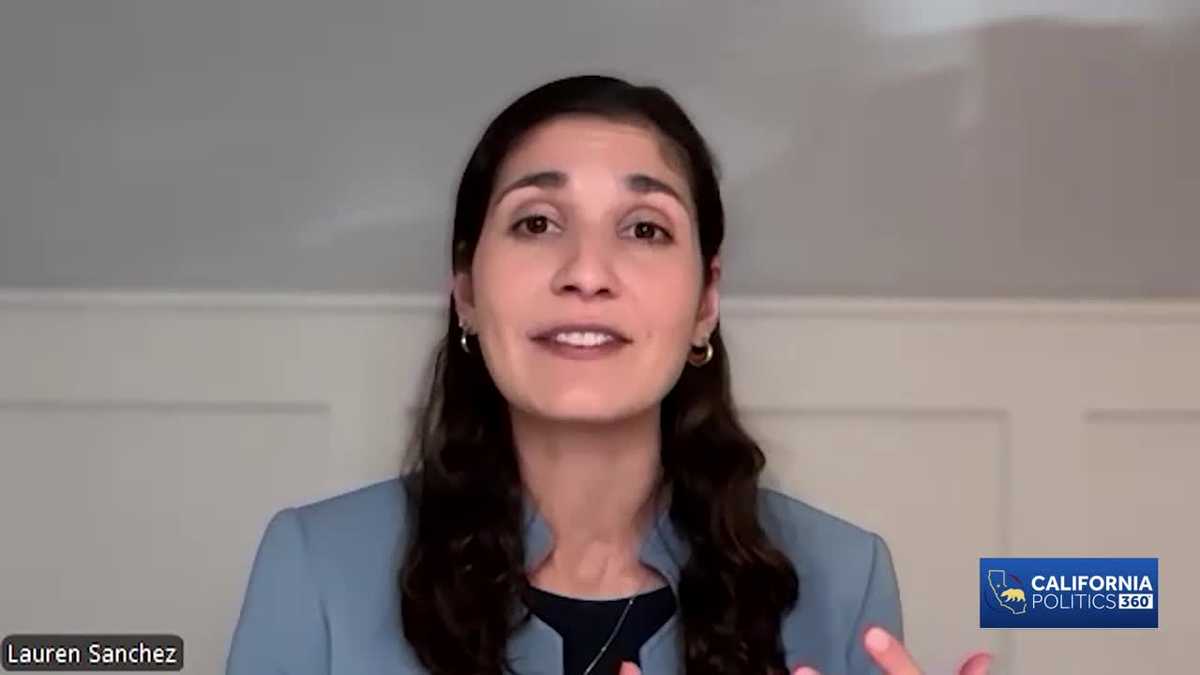
CARB Chair Lauren Sanchez says there is time for changes to controversial cap and invest update | California Politics 360
Chair Sanchez, thank you so much for making time for us today. Thank you for having me, Ashley. Really appreciate it. So with the frustration from the oil industry saying that the cap and invest proposal is too much, but then environmental groups saying that it’s not doing enough, I mean between now and the possible vote in May, could there be changes to this? It’s *** great question, Ashley, and I think it’s really important to remember. We’re in the middle of *** regulatory process, as you referenced, um, staff put out *** draft proposal in January, and we’ve received public comment. It just wrapped up this past week, and we’re now working through all of the feedback and the public comment. My staff is meeting with, yes, members of the oil industry and those environmental groups, but also utilities, food processors, you know, you name it, regulated entities and communities. Across the state to better understand how this proposal may affect them, and we have built in enough time for changes should those be deemed necessary before bringing this proposal to the board in May. But I, you know, one thing I want to underscore, Ashley, is the staff’s proposal that was made public in January was really responsive to legislative direction from the bills that were passed. Last year and we like to emphasize the balance that was struck between affordability and ambition, and *** lot of the feedback we’re getting, as you pointed out, is we either went too far on ambition or we’re not thinking enough about affordability. We need to go further, faster, so we’re really looking forward to continuing to engage with stakeholders on their feedback and any changes that they’re requesting. The state’s remaining oil refinery. Miners are sounding the alarm on the proposal just as is. Chevron is calling the state’s oil and gas situation *** state of emergency that could collapse. The industry because of the added cost, because of the proposal, as is, I mean, our state leaders have *** history of ignoring these warnings, but we did see two refiners now shut down within *** matter of 6 months. I mean. Will CB be hearing them on this as ***, maybe *** change um from what we’ve seen in years past? So we’ve met with members of the refining industry. I myself have been meeting with the refiners again to understand how the proposal would affect them, and, you know, I think it’s really important that again, that legislative direction that was given to CARB included an aspect of minimizing leakage, which means making sure that California businesses stay here in California. That is why the staff proposal is really status quo for the industrial sector. We did not change the allowance. Allocation for industry, including refiners. That said, we understand that given market challenges, market changes, just look at what’s happened in the past week. Our refiners are asking for more support from this program, and that’s *** conversation that we look forward to continuing to have with them. I would also point out the administration has made it *** goal to ensure that we have *** managed transition and that we’re able to ensure fuel supply here in California remains reliable. And affordable. If you look at some legislation that was passed last year, that was really done in collaboration with all stakeholders, but especially the refiners, and we look forward again to continuing those conversations on reliability and affordability. The oil industry has said this proposal essentially incentivizes companies to import even more fuel from other countries, I mean something the state is already heavily relying on now. I mean, is that not concerning to you given the war in Iran? And the blocking of the Strait of Hormuz at this point. Yeah, I again would emphasize that the staff proposal is really focused on supporting businesses here in California. That’s why we didn’t change that industrial allocation, and we’ve maintained *** number of the cost containment measures in the program design. Ashley, I should point out, as the legislature was having the conversation about how to extend this program last year, it was supported by the industry, the business industry here in California, and by. Labor voices in California, environmental, environmental organizations in California. This program has *** 15 year track record of success, of one, it is one of our most cost effective climate policies. And as we think about the benefits that it has generated for the state, I mean, over $34 billion in investments up and down the state, affordable housing, accessible transit, forest management and fire prevention, safe and affordable drinking water. I mean, these investments have been. Formative for communities. You layer on top of that that the program has generated $15 billion in utility bill rebates. And yes, gas prices are *** top concern for Californians, as are utility bills. So the fact that this program is helping on energy affordability is also very paramount. All of that said, we understand we’re getting feedback that the staff proposal does not go far enough to really ensure that we are supporting those California businesses. We look forward to the data and the justification on that issue. But I guess to clarify, if the war in Iran persists, will that change the course of this proposal? The war in Iran and you know the latest federal lawsuits attacking California, I mean there are *** number of global events, federal events that we We are taking into consideration as *** part of this process and this regulate this regulation that is coming to the air board. Again, it’s not coming to the board until the end of May, so we’ve built in time for some of these really important conversations and analysis to continue. But just overall broadly on this, I mean as the leader of the person of the of the group that’s tasked with cleaning California’s air, meeting the environmental goals, I mean what good are these goals if the state is so heavily relying on fuel that’s produced in other countries and then put onto ships to pollute the air, not necessarily in our state, but outside of it. Yeah, it’s something that, you know, we give *** lot of thought to through both the cap and invest program and the low carbon fuel standard, and it’s why, uh, you know, again, that legislative direction to minimize leakage is really important to the work CA does more broadly, making sure that the benefits of our regulations and our policies and our programs outweigh any costs. But Ashley, as you pointed out, you know, tasked with cleaning the air, 18 million. Californians still breathe unhealthy air every year. If you look at the weather forecast for next week, you’re forecast to hit 90 degrees in Sacramento for the first time in March. That is unprecedented. We know that the legislature over bipartisan administrations has tasked the airboard with moving forward and striking the right balance between costs and benefits and supporting California businesses going forward. You mentioned and you’ve been mentioning that you’re, you’re really your, your job you’ve just taken from the legislature essentially you were directed by state lawmakers to carry out this rulemaking process uh when it comes to cap and invest. Several Democratic lawmakers who voted for that, who voted to direct you to do this work, are now asking you to go back to the drawing board essentially on this proposal when it comes to energy. What’s your reaction to that? I take that feedback with deep humility and deep gratitude. You know, I’m grateful that the legislature and their engagement doesn’t stop at just passing the bill and the governor signing it, but rather throughout the implementation process and the regulatory process that they’re. Staying engaged, you know, we want to make sure that the ultimately the proposal that comes to the board is responsive to legislative direction and, and really how they intended the program to work. So, you know, I, I’ve seen that letter. I’ve received *** number of other letters on other sets of issues, um, and we’re, you know, the whole team is looking at that feedback and again thinking about how the proposal moves forward. I know you mentioned the benefits of cap and invest over the next. 20 years I know CARB has analyzed the health savings, electricity bill savings, but for years now lawmakers in both political parties have been urging you to be more upfront with the direct costs to consumers, especially when it comes to gas prices. I mean, will you do that? I mean, do you plan to explain to people once this proposal maybe is finalized how that will directly impact them at the pump? Yeah, gas prices from this program and the pass through from oil companies to consumers. are reported on the website of the California Energy Commission. You can go look today. It is 24 cents per gallon. But again, that cost to consumers and gas prices has already come back to Californians in the form of all of those benefits that I explained earlier, whether it’s the investments in affordable housing and accessible transit, incentives for clean cars and trucks for farming equipment, energy, home rebates, and those utility bills. Credits. And again, if you look at the staff proposal, I actually would like to emphasize as well that the scenario staff put forward is $20 billion less costly than scenarios that were analyzed in April of 2024 when we started this rulemaking. That is our board and our staff really being responsive to, you know, concerns about costs of our regulation. So we’re moving forward with the least costly scenario that we move forward. And we’ll continue to, uh, you know, emphasize the benefits of this program. In addition to the greenhouse gas reduction Fund and those utility bill rebates, it’s $123 billion in avoided health costs for Californians. Obviously the costs of health costs, insurance costs, top of mind as well. All right, Chair Sanchez, before we let you go, I mean, we should acknowledge you’re, you’re new in this role. I mean, how, how has it been? I mean, are Has it been *** challenging beginning to this this new role? Thank you, Ashley. I appreciate that question. Again, deep humility, deep gratitude that, you know, the governor’s entrusted me in this role, and I have two mentors, my predecessors who had this role before me, and *** phenomenal team, an engaged legislature, and Really looking forward to continuing to build partnerships with stakeholders of all stripes. I’ve been telling my team, um, that one of our mantras is *** big tent. We know that it is going to take all of us to tackle climate change and tackle air pollution and do it in *** way that is really mindful of affordability. So we look forward to the ongoing work at the board this year. All right, Chair Sanchez, thank you so much for your time and insight. We appreciate it. Thank you so much, Ashley. You take care.
CARB Chair Lauren Sanchez says there is time for changes to controversial cap and invest update | California Politics 360

Updated: 8:25 AM PDT Mar 15, 2026
A controversial proposed update to one of California’s major clean air policies is facing intense pushback from the oil industry, environmental groups, the governor of Nevada and some state lawmakers. In late May, the California Air Resources Board is expected to vote on proposed updates to the state’s cap and invest program. The policy requires major companies to limit their carbon emissions, buy credits to emit, or fund state transportation and environmental projects. The proposal would significantly reduce the number of credits industries would be able to buy, limiting the credit market and raising costs, especially for the oil and gas and electricity industries. Environmental groups have said the proposed update does not go far enough to meet the state’s ambitious clean air goals to significantly phase out the state’s reliance on oil and gas. CARB’s upcoming decision is at the direction of state lawmakers. In the final days of the state’s legislative session, lawmakers at the last minute approved an extension of the cap-and-trade program that was set to expire in 2030. The program is expected to last through 2045. Lauren Sanchez, chairwoman of CARB, said there is time to work through the proposal and make changes if necessary. “A lot of the feedback we’re getting is we either went too far in ambition or we’re not thinking enough about affordability,” Sanchez said. “We’re looking forward to continuing to engage with stakeholders on their feedback and any changes they’re requestion.”While demand for gas is still high in California, the state’s remaining oil refiners have been warning for years that they may be forced to shut down with tighter policies. Those warnings have gone mostly ignored at the state Capitol until Valero and Phillips 66 announced they would shut down refinery operations within six months of each other. When asked if warnings would continue to go ignored, Sanchez said she herself has been meeting with the industry. Sanchez noted that when lawmakers directed CARB to take on the cap and invest program, they needed to do so in a way that would keep businesses from shutting down. “That is why the staff proposal is really status quo for the industrial sector,” Sanchez said. “That said, given market challenges … our refiners are asking for more support from this program, and that’s a conversation we look forward to continuing.” When asked if the war in Iran could change the path of the proposal, Sanchez said it’s one of several federal-related events the board is taking into consideration. “We’ve built in time for some of these really important conversations,” she said. KCRA 3 Political Director Ashley Zavala reports in-depth coverage of top California politics and policy issues. She is also the host of “California Politics 360.” Get informed each Sunday at 8:30 a.m. on KCRA 3.
A controversial proposed update to one of California’s major clean air policies is facing intense pushback from the oil industry, environmental groups, the governor of Nevada and some state lawmakers.
In late May, the California Air Resources Board is expected to vote on proposed updates to the state’s cap and invest program. The policy requires major companies to limit their carbon emissions, buy credits to emit, or fund state transportation and environmental projects. The proposal would significantly reduce the number of credits industries would be able to buy, limiting the credit market and raising costs, especially for the oil and gas and electricity industries.
Environmental groups have said the proposed update does not go far enough to meet the state’s ambitious clean air goals to significantly phase out the state’s reliance on oil and gas.
CARB’s upcoming decision is at the direction of state lawmakers. In the final days of the state’s legislative session, lawmakers at the last minute approved an extension of the cap-and-trade program that was set to expire in 2030. The program is expected to last through 2045.
Lauren Sanchez, chairwoman of CARB, said there is time to work through the proposal and make changes if necessary.
“A lot of the feedback we’re getting is we either went too far in ambition or we’re not thinking enough about affordability,” Sanchez said. “We’re looking forward to continuing to engage with stakeholders on their feedback and any changes they’re requestion.”
While demand for gas is still high in California, the state’s remaining oil refiners have been warning for years that they may be forced to shut down with tighter policies. Those warnings have gone mostly ignored at the state Capitol until Valero and Phillips 66 announced they would shut down refinery operations within six months of each other.
When asked if warnings would continue to go ignored, Sanchez said she herself has been meeting with the industry. Sanchez noted that when lawmakers directed CARB to take on the cap and invest program, they needed to do so in a way that would keep businesses from shutting down.
“That is why the staff proposal is really status quo for the industrial sector,” Sanchez said. “That said, given market challenges … our refiners are asking for more support from this program, and that’s a conversation we look forward to continuing.”
When asked if the war in Iran could change the path of the proposal, Sanchez said it’s one of several federal-related events the board is taking into consideration.
“We’ve built in time for some of these really important conversations,” she said.
KCRA 3 Political Director Ashley Zavala reports in-depth coverage of top California politics and policy issues. She is also the host of “California Politics 360.” Get informed each Sunday at 8:30 a.m. on KCRA 3.