
Gretchen Burns Bergman is co-founder and executive director of A New PATH & Lead Organizer of Moms United to End the War on Drugs.
There has been a lot of attention on the charges filed against the former COO of the Harm Reduction Coalition of San Diego involving alleged misuse of county grant funds that were designated for naloxone distribution, but we can’t lose sight of the vital role harm reduction services play in the wellbeing of our community.
For a physician, the Hippocratic oath states to “first do no harm.” For the general population, harm reduction can mean anything from seatbelts and motorcycle helmets to sunscreen. For individuals with substance use disorders, and the people who love them, it means meeting the person where they are, lessening negative consequences and helping them to stay alive. It is a public health approach to a shared problem that embraces principles of tolerance, compassion and respect for individuals despite their choices or circumstances.
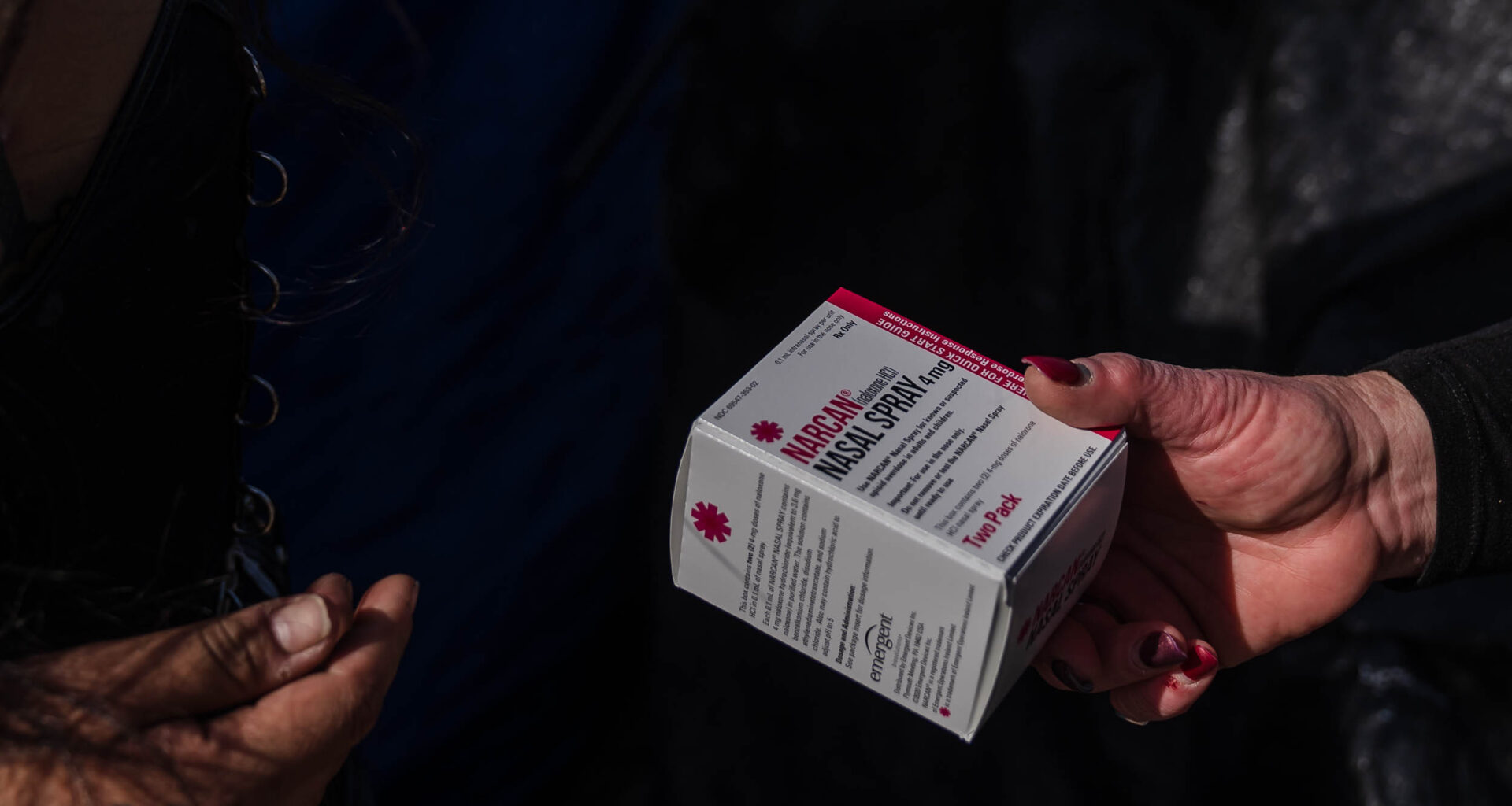
According to county data, overdose deaths dropped dramatically in San Diego County from 802 in 2022 to 380 in 2025. It is broadly acknowledged that widespread overdose prevention training with naloxone (a safe drug that can reverse an opioid overdose), fentanyl test strips and increased access to medication assisted treatment (MAT) have been successful in lowering the rate of overdose deaths locally and nationally.
However, overdose rates continue to rise in some communities. Black San Diegans had the highest overdose-related deaths in 2024, and 30 percent of deaths were homeless individuals. That’s why harm reduction services remain critically important. When funding shifts away from public health solutions the consequences can be devastating.
My nonprofit organization A New PATH (Parents for Addiction Treatment & Healing) and partner organizations SAY San Diego and Project AWARE were previously subcontracted under that grant, and although we were all challenged by the loss of funding, we remain actively engaged in providing overdose prevention, education, and naloxone training and distribution throughout the county with full accountability and transparency.
In 2025, when the original contract ended, A New PATH was able to secure a small county-funded grant to cover professional training with naloxone, and we continue our mission to deliver services to at-risk neighborhoods from East County to South Bay out of a deep commitment to the needs of the community and with funding for staff from donations.
In 2014 A New PATH was a pioneer organization in San Diego to distribute naloxone and train people how to recognize and reverse an opioid overdose. By 2022, the year we became a subcontractor to HRCSD for county naloxone distribution, we had already trained more than 11,000 San Diegans in the use of naloxone and had 2,200 reported overdose reversals. Through that subcontract we were able to hire more staff and greatly increase our outreach such that A New PATH now trained over 40,000 individuals and have 3,539 reversals reported. It takes time, tolerance and compassion to develop trust in the communities most in need of our services. We are grateful to the county for the support in expanding our outreach and hope that the importance of our grassroots organizations in addressing the overdose crisis is evident and will continue to be funded.
It is very disappointing and sad when money and resources are misappropriated, especially considering that it directly affects at-risk and underserved populations, but it is important to highlight the lifesaving work that is being done by many partner organizations and committed volunteers.
“We are proud to partner with so many dedicated organizations and individuals who share our belief that everyone deserves access to stigma‑free education and the tools that keep our neighborhoods safe,” Louis Nguyen, CEO and president of SAY San Diego, told me.
Reggie Washington, CEO and founder of Project Aware told me they continue to “serve the communities of those who are most vulnerable.”
Since 1999 A New PATH has been working to reduce the stigma associated with substance use and advocating for therapeutic rather than punitive drug policies. We want the community to know that we continue to provide overdose prevention training in person and online and you can pick up naloxone, fentanyl and xylazine test strips at any of our 8 naloxone access locations across the county.
Related Posts