
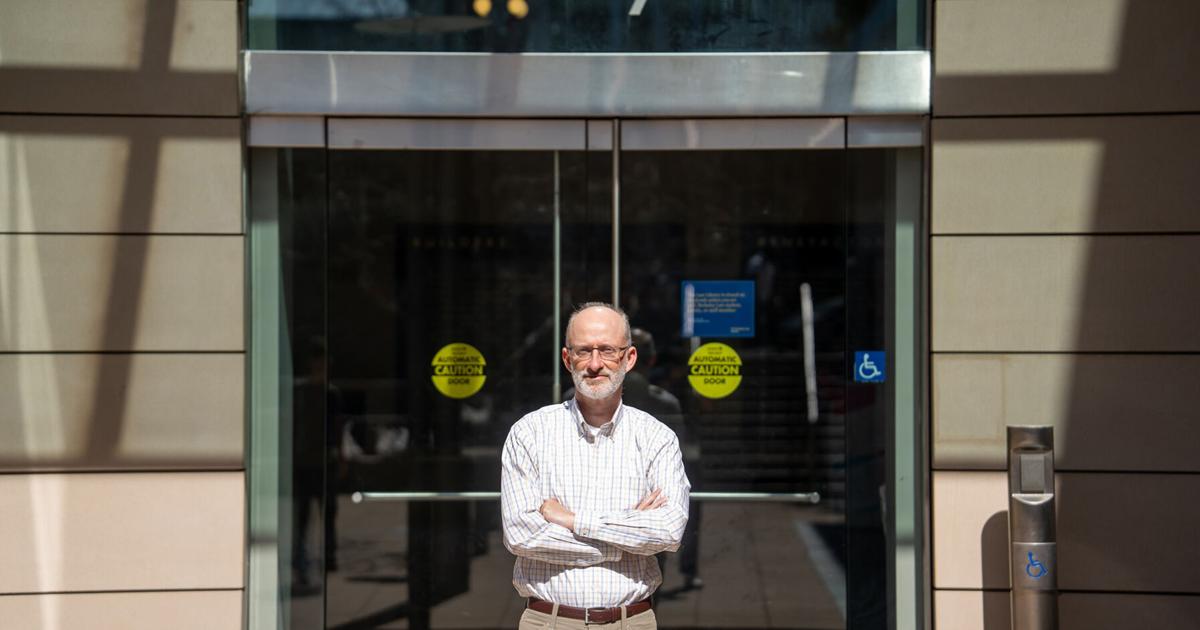
Brian Galle has been keeping busy this past year.
Galle, a UC Berkeley School of Law professor who teaches courses on taxation and nonprofit organizations, has overseen two projects designed to reign in the power of the ultrarich.
The first, a book titled “How to Tax the Ultrarich,” proposes reformed taxation of the ultrarich’s investments and inheritances at the federal level. The second, a statewide ballot initiative called the California Billionaire Tax Act, seeks to make it on the ballot in November.
“If you look around, you might say, ‘It seems like billionaires might be in charge of a little bit too much’ — they made (up) 20% of all campaign expenditures last year, they’re half of the U.S. Cabinet and they seem to own all the media companies,” Galle said. “So you might think we need to do a better job taxing megamillionaires and billionaires.”
According to Galle, the reason the ultrarich don’t pay their “fair share” is because our tax system doesn’t capitalize on rare moments to tax them.
Galle’s book, published by the Roosevelt Institute in January, proposes a new form of a retrospective, realization-based tax on incredibly wealthy households called the Fair Share Tax, or FAST. The FAST adds an interest-like extra tax on taxpayers who hold their assets for long periods, being imposed at sale like the current capital gains tax.
“We’re giving billionaires this choice about when to pay tax, and they’re mostly waiting,” Galle said. “Now they do occasionally sell some stuff, or they draw some salary, and so we have some moments where we tax them; the problem is we’re not doing enough with those few moments.”
In addition to the book, Galle also worked with Service Employees International Union-United Healthcare Workers West on the California Billionaire Tax Act, a statewide ballot initiative that proposes an emergency tax on billionaires to restore $100 billion in state healthcare funding lost to federal cuts.
The proposed 5% tax on Californians worth more than $1 billion would not only go toward healthcare costs, but would also fund state public education and food assistance programs.
“If we don’t fill that $100 billion hole, it’s going to be more expensive for all California business owners to make payroll and to hire people,” Galle said. “As someone who’s about to go out into the California economy, you want it to be more affordable for your future employer to be able to give you health insurance.”
The proposal has caused a recent stir in California politics. Gov. Gavin Newsom came out against the proposal, claiming the tax would drive out key business contributors to the state’s economy.
Galle rejected this fear, saying he is not concerned with capital flight.
“The reason billionaires are rich is mostly because they have big, complex businesses that they’re closely tied to, and it’s hard to just walk away from that and go somewhere else,” he said. “Today, California has a bigger share of million-dollar earners than before they raised taxes, so it seems like California’s good at attracting and creating millionaires, notwithstanding the tax rate.”
The proposal will have to collect nearly 900,000 signatures to make it on the November ballot.