
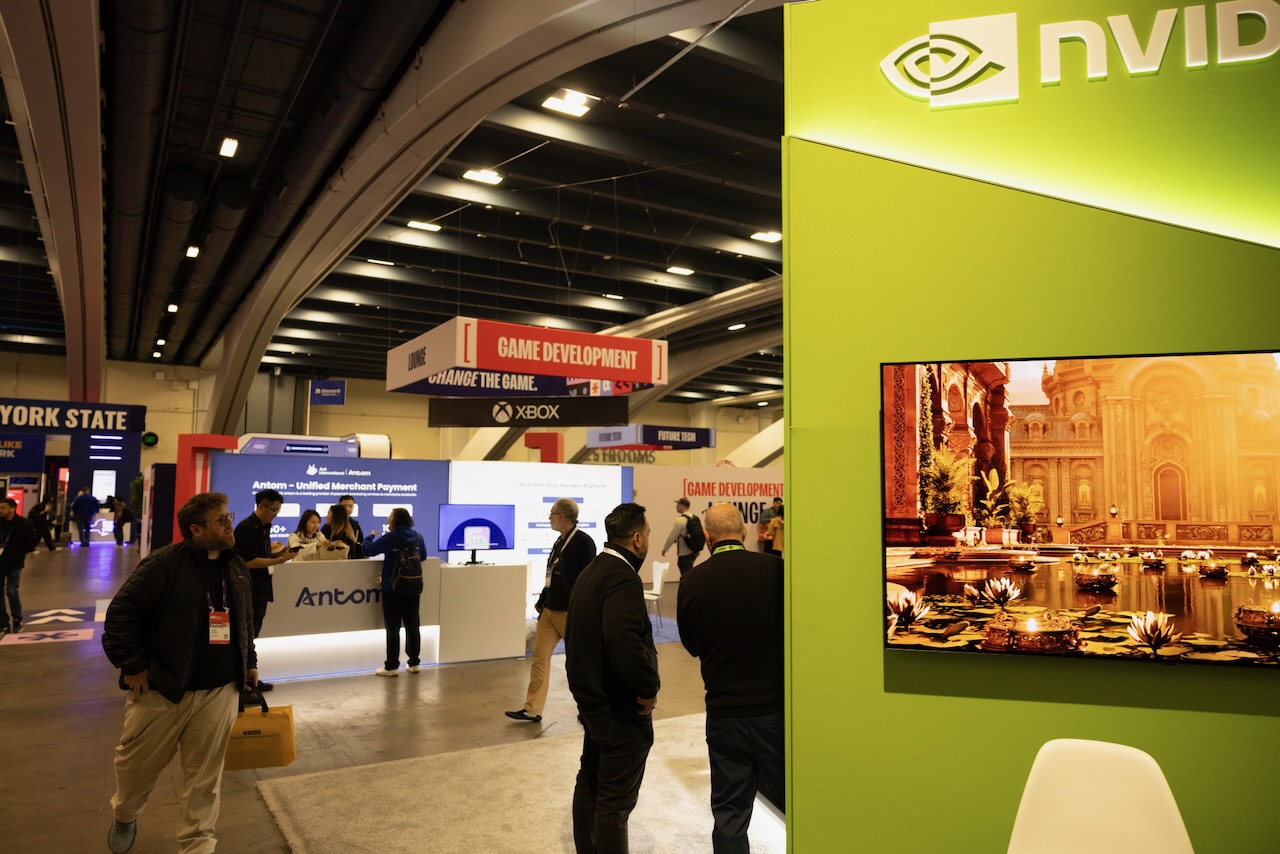
GDC Festival of Gaming, one of San Francisco’s biggest conferences, saw a 30% drop in attendance last week amid widespread tech layoffs and the Trump administration’s hostility towards foreign visitors.
Multiple attendees told the Chronicle last week that the show seemed quieter, from sparser foot traffic in hotel lobbies to half-filled panel audience rooms, though GDC organizers said several talks were “some of the most packed and energized sessions the conference has seen in decades.” Other game developers who had attended GDC during prior years said they were afraid of coming to the U.S. and stayed away, according to social media posts.
Another major factor hurting attendance is widespread turmoil in the industry, which has seen major games flop, cancelled or shut down. Before the event, a GDC poll of 2,300 video game professionals found that one third were laid off in the past two years. Visitors have also complained about San Francisco’s high costs for years.
Overall international tourism to San Francisco is expected to decline this year after U.S. visitors were detained at the border and additional restrictions, including travel bans on 39 countries, were implemented. The Iran war has added additional chaos to international travel.
Founded in 1988 as Game Developers Conference and rebranded as GDC Festival of Gaming this year, the conference has committed to returning to San Francisco next year from March 1 to 5.
Some conference ticket prices were lowered in response to feedback this year. Tickets ranged from $549 for students, $649 for smaller studios, up to $2,499.
“This was the first year of a bold new concept for GDC,” said Nina Brown, president of GDC, in a statement. “The energy across the Festival, from packed sessions to a vibrant show floor and thousands of meetings happening throughout the week, demonstrates how powerful it is when our industry comes together to learn from one another, build partnerships and shape what comes next for games.”
“This transformation was built directly from community feedback, and we’re excited to continue listening, learning, and evolving the GDC Festival of Gaming as we look ahead to 2027,” she said.
The five-day GDC event “for an industry in transition” still drew attendees from more than 85 countries, as well as 1,100 speakers and over 300 exhibitors, including tech giants like Nvidia, Amazon, Meta and Microsoft, which owns gaming studios Activision Blizzard and Bethesda Softworks. International showcases on the expo floor included game developer booths from Brazil, Portugal, Costa Rica, Germany, Italy, Kyrgyzstan, Chile, Spain, Switzerland, United Kingdom and Wales.
One game development team that presented during the conference created “H-1B Life,” a simulation of the challenges of obtaining a visa in America.
The event also included multiple awards shows and dozens of side parties, filling up restaurants, event venues and bars. Netflix, for instance, booked the lobby of the Jewish Contemporary Museum for a happy hour, despite the museum itself being closed for more than a year.
Legendary game developer Hideo Kojima, creator of the “Metal Gear” and “Death Stranding” franchises, was previously scheduled to deliver the event’s keynote. But he canceled, leading to ex-Blizzard Entertainment executive Rob Pardo replacing him.