
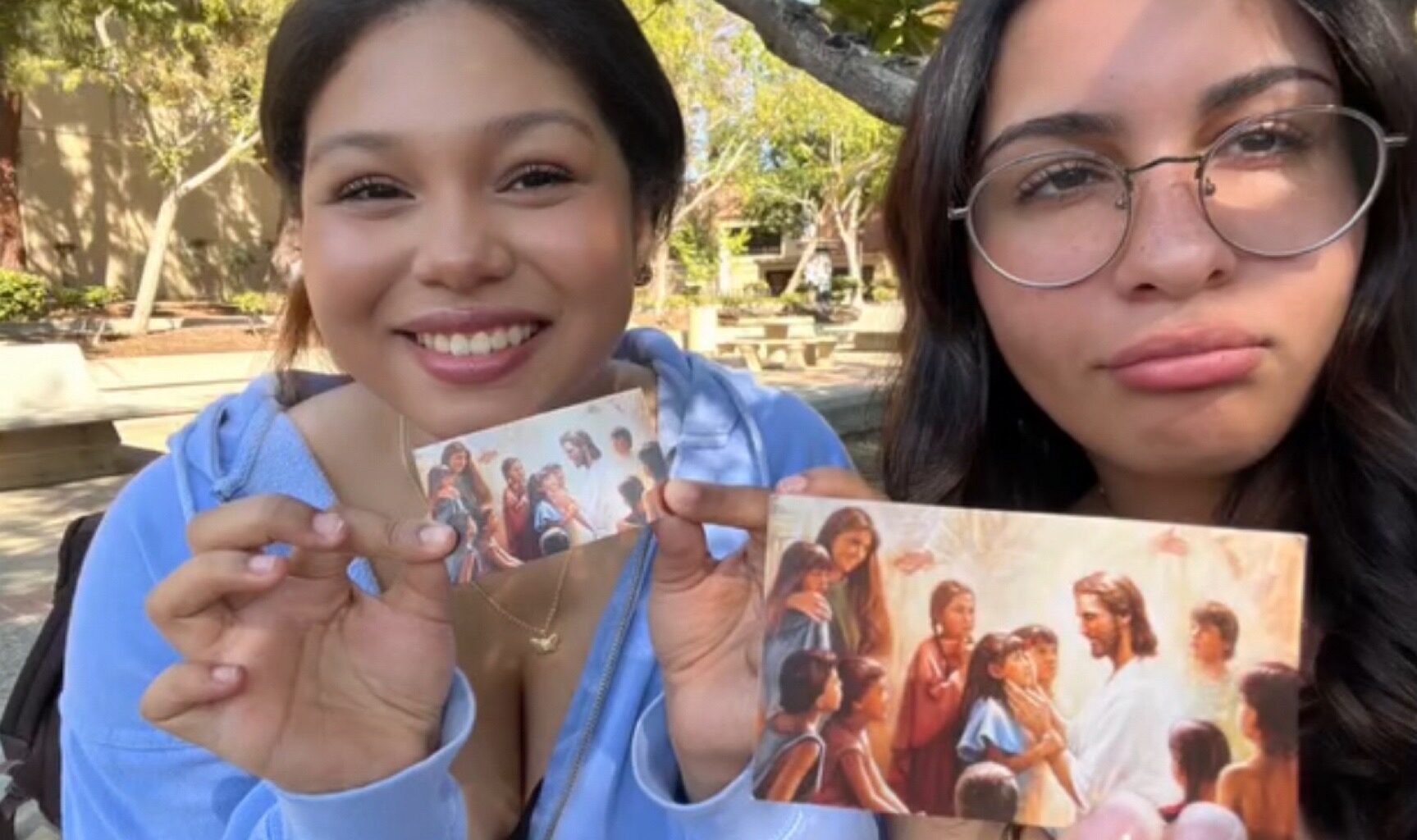
Mormon missionaries and Jehovah’s Witnesses are there to fulfill a goal to bring more people into their religion, which seems harmless, but the more we look into it, is it really?
Students are always around on Fresno City College’s campus, whether it’s at the library, cafe or sitting in a shady spot outside.
Some students might not even be aware of the Mormon missionaries or Jehovah’s Witnesses that sit and walk around our campus at all.
Being approached can easily make an individual feel uncomfortable, and even if you give a direct answer or a simple no, they will still find a way to get you to join.
When I was first approached by a Mormon missionary, I was in my first year of college. I was sitting for my next class when two girls walked past me. Casually, one of the girls said to me, “I love your curls!” Which led to, “Can we read you a scripture in our book?”
In my conversation with these missionaries, I was asked a lot of personal questions, like, “Have you always lived in Fresno?” or “Are you religious?”
When I was asked if I was religious, I told them that religion is something private for me, based on past experiences I have had.
They still proceeded to tell me, “We will make it quick!” And got their books.
From then on, every time on campus, they would ask, “When are you meeting with us?” And “where are you on campus? Can we meet you?”
I was receiving texts everyday when I mentioned some of the days I was going to class, and even went as far to actively look around for you on campus.
I was completely unsure of what I should do since I felt pressured to tell them about my experiences.
FCC student Felicity Machicote, majoring in marketing, said her experience with the missionaries on campus is definitely a bother.
“They go up to you and in a way, feel like they’re trapping you,” Machicote said.
Machicote said they ask personal questions about you and try to be nice, but it feels very overwhelming and uncomfortable to respond.
How do we, as students, move forward?
If missionaries want to do things differently to get people to learn more about their beliefs and religion, Machicote thinks it’s a better idea if they set up a table and sign.
“So that way, any people who may be interested in Mormonism on campus can learn on their own terms instead of being approached,” Machicote said.
I wouldn’t want to be approached by a missionary at school while waiting for my next class, trying to study, or just enjoying their personal time.
In my personal experience, I can say it can be a lot, just like how a lot of younger and impressionable people on college campuses might also feel about this situation.
Letting people explore their options themselves and research what path they want to take is an easier route than going up to people getting in their space.
Over the years, I have seen “The Book of Mormon” or the Bible in the drawers of hotels, and I feel like that is a more subtle way to try to interest people to learn about it by letting students approach them instead if they are interested or have questions.
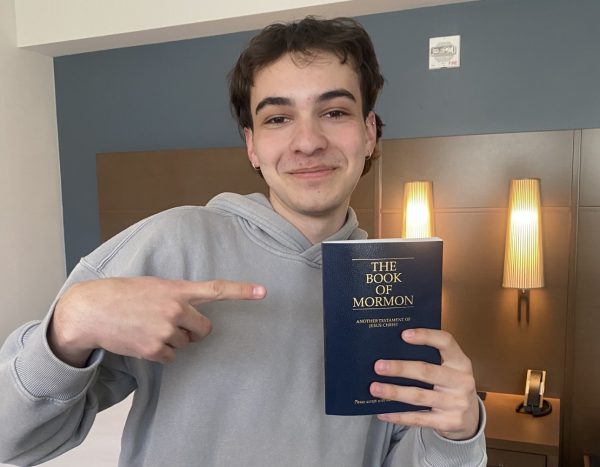 Zach Bevins, FCC kinesiology major, holding “The Book of Mormon” found in a hotel. (Photo by: Gracie Ward)
But turning up the notch and going on to campuses where you know there are students who are still growing as individuals and trying to pursue their studies, is overstepping boundaries, and where the line should be drawn.