
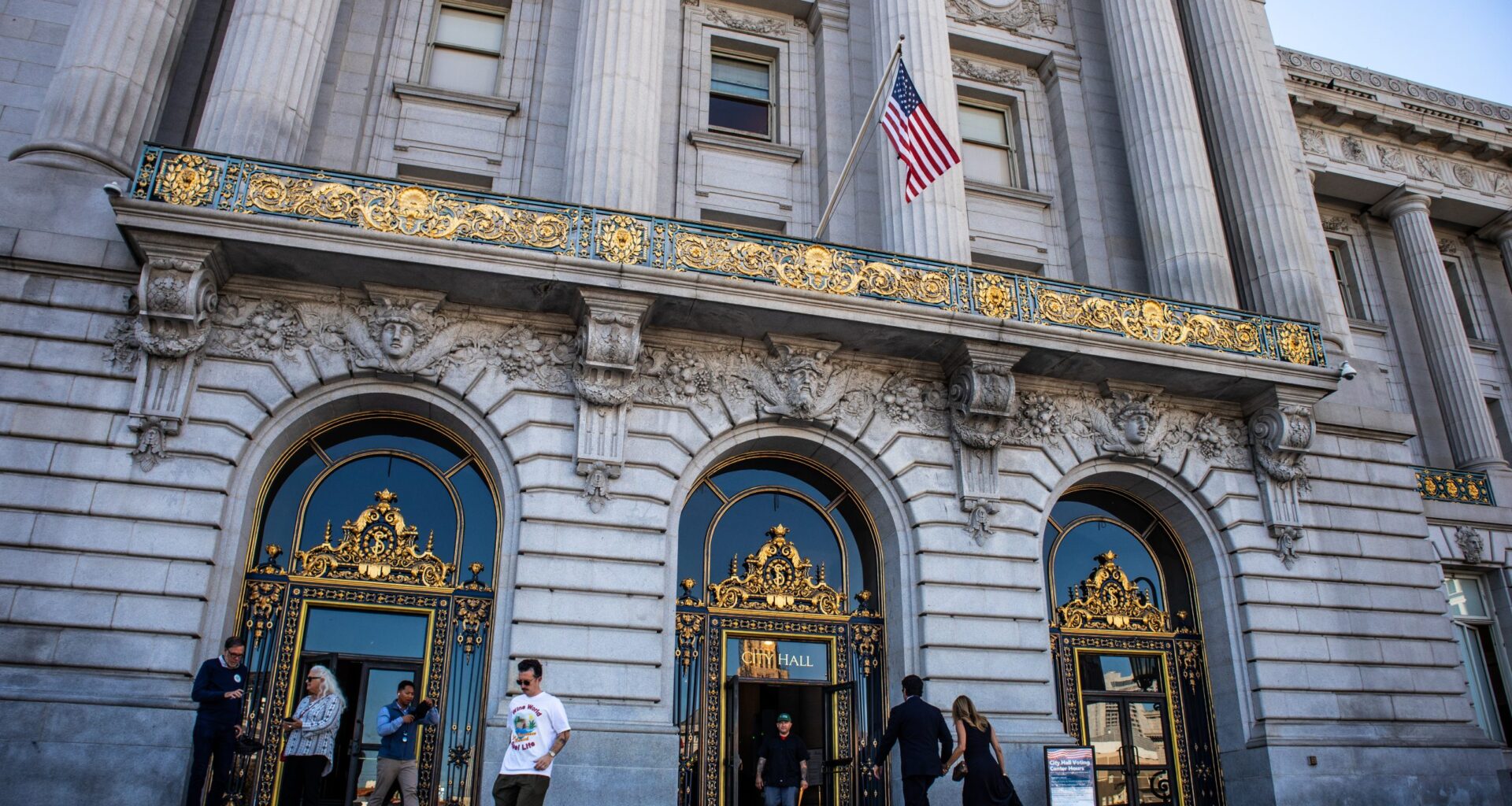
After dueling ballot measures, $10 million spent, and months of contentious task force meetings the move to trim San Francisco’s galaxy of commissions might die with a whimper.
This Tuesday, the Board of Supervisors is holding a hearing on the Commission Streamlining Task Force’s suggestions to cut or weaken the power of dozens of city commissions. But no supervisor Mission Local spoke with said they’re interested in championing the task force’s full — and controversial — recommendations.
For example: There appears to be little appetite on the board to take decision-making authority away from the Commission on the Status of Women, or eliminate the committee advising how tax money for homelessness is spent.
“I think our focus will be in other places the next few months,” Supervisor Danny Sauter said, a sentiment echoed by other offices. “The goal is laudable but there are good arguments from individual bodies about why these changes concern them.”
Instead, the changes put forward will be far less controversial, like proposals to eliminate inactive bodies, for example.
Board President Rafael Mandelman said that he’s currently working on a charter amendment ballot measure that includes “things that make sense and are not going to be a huge political fight,” like eliminating the Sanitation and Streets Commission, which was created to oversee a department that no longer exists.
The notion of cutting back San Francisco’s 152 commissions or task forces was thrust into the political limelight in 2024, when the political pressure group TogetherSF pushed Proposition D onto the ballot. Prop. D would have created a hard cap for city commissions at 65. The measure served as a soft-money vehicle for Mark Farrell’s mayoral candidacy, with more than $9 million pumped into the measure. Days before the election, the Ethics Commission fined Farrell over $100,000 for commingling funds between his mayoral campaign and Prop. D.
Prop. D ended up receiving only a paltry 43 percent of the vote and Farrell came fourth in the mayoral race. Prop. E, a countermeasure cobbled together by the Board of Supervisors and backed by $117,000, netted 53 percent of the vote. Following the debacle, TogetherSF imploded and has combined with Neighbors for a Better San Francisco to form Blueprint for a Better SF.
Last summer, the Prop. E task force began meeting to winnow down the city’s commissions. Its public meetings soon became heated with dozens of advocates packing the gallery to argue that many commissions on the chopping block provide critical oversight and community input.
The task force, which Prop. E’s backers openly worried had gone off the tracks, eventually put forward a series of suggestions for each commission. That included converting commissions to advisory bodies, combining bodies with similar mandates, and moving commissions from the city charter to the administrative code, where their duties — and existence — could be changed more easily.
Moving forward, Mandelman is pushing for a modest set of commission reforms. “We’re going to have to strike a balance between what’s important and what’s politically feasible,” Mandelman said about his proposal.
Mandelman knows first-hand that even esoteric city bodies have their own built-in constituencies. And they fight hard: Last summer Mandelman moved to do away with the Sweatfree Procurement Advisory Group, a “borderline inactive” advisory body. But local labor groups showed up in support of the group and he ended up removing that change from his larger ordinance.
If anyone does try to push forward more controversial commission streamlining changes, it’s clear that some endangered commissions will have their champions on the board. Several supervisors have already expressed interest in “protecting” the Youth Commission, Commission on the Status of Women, the Sheriff Department’s Oversight Board, the Commission on the Environment, and more.
“Reconsider these recommendations and uphold the will of the voters to provide independent oversight of our city’s departments and services,” Fielder wrote to the streamlining task force in January about their suggestion to reduce the authority of some homelessness commissions.
“Commissions are where everyday San Franciscans can actually have a seat at the table,” Tracy Gallardo, legislative aide to Supervisor Shamann Walton, said. “Taking away oversight or weakening those bodies isn’t the answer.”
If — after dueling ballot measures and millions expended and 20 or so testy task force meetings — nothing much changes, at least one task force member is okay with that.
“I was opposed to Prop. D in the first place because thinking that the problem of the city is too much public engagement is a crazy thing and that was the premise of it,” said former city controller and PUC general manager Ed Harrington. “I like public engagement. I’m quite happy if we continue that.”