
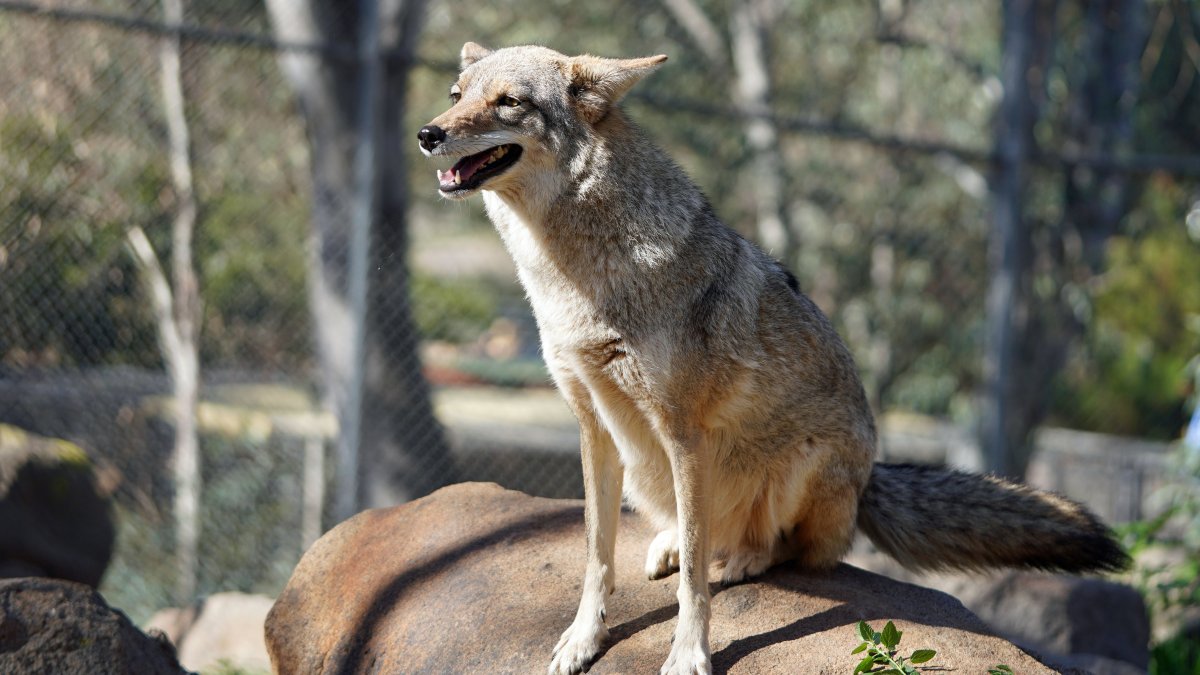
The San Diego Humane Society is encourages coexistence, not conflict, during Coyote Awareness Week.
The efforts serve as a reminder of the important role coyotes play in our ecosystem and highlights the steps people can take to accommodate our wild neighbors.
First established by Project Coyote, Coyote Awareness Week is held during the third week of March to address common misconceptions about the canines and promote peaceful coexistence.
This year, Coyote Week runs from March 16-22 and takes place during coyote mating and pupping season — typically March through May — when coyotes are more active in foraging for food and therefore more visible to humans.
According to the San Diego Humane Society, Project Wildlife has cared for more than 100 injured, ill or orphaned coyotes in 2025 and has already treated 19 since Jan. 1.

A coyote pup in care in the care of San Diego Humane Society Project Wildlife program. (San Diego Humane Society)
“As our communities grow and expand into wildlife habitat, encounters with coyotes can become more common,” said Autumn Welch, wildlife operations manager at the humane society’s Ramona Wildlife Center. “Understanding their behavior and taking simple precautions can help keep both people and wildlife safe.”
Coyotes are native to Southern California and all of North America. The Golden State is home to one of the largest coyote populations in the country, and San Diego County has seen a rise in coyote sightings for several reasons, including habitat loss, mating season and human hunting practices.
You may have seen a Ring camera video from your neighbor. Some have even captured incidents such as a coyote attack at UTC.
Coyotes are naturally timid and tend to avoid humans. However, they can become aggressive if they lose their fear of people by becoming comfortable in neighborhoods where they are fed or become habituated to urban environments.
How to avoid conflict with coyotes
Officials offered the following tips for people to keep themselves, pets and wildlife safe:
Protect your pets: Walk dogs on a leash and supervise pets when they’re outside.
Remove attractants: Secure trash, bring pet food and water indoors and pick up any fallen fruit or
bird seed.
What to do if you see a coyote
The California Department of Fish and Wildlife suggests that if you encounter a coyote, you should practice humane hazing if you see a coyote behaving boldly:
Make loud noise — yell, clap or blow a whistle.
Make yourself look bigger by waving your arms.
Let the coyote leave the immediate area on its own.
If a coyote makes contact, fight back, then call animal control or 911.
Why coyotes are important to the ecosystem
“Coyotes are a natural and important part of San Diego County’s ecosystem,” according to the SDHS statement. “As adaptable predators, they help maintain ecological balance by controlling rodent populations, limiting disease transmission and removing carrion from the environment.”
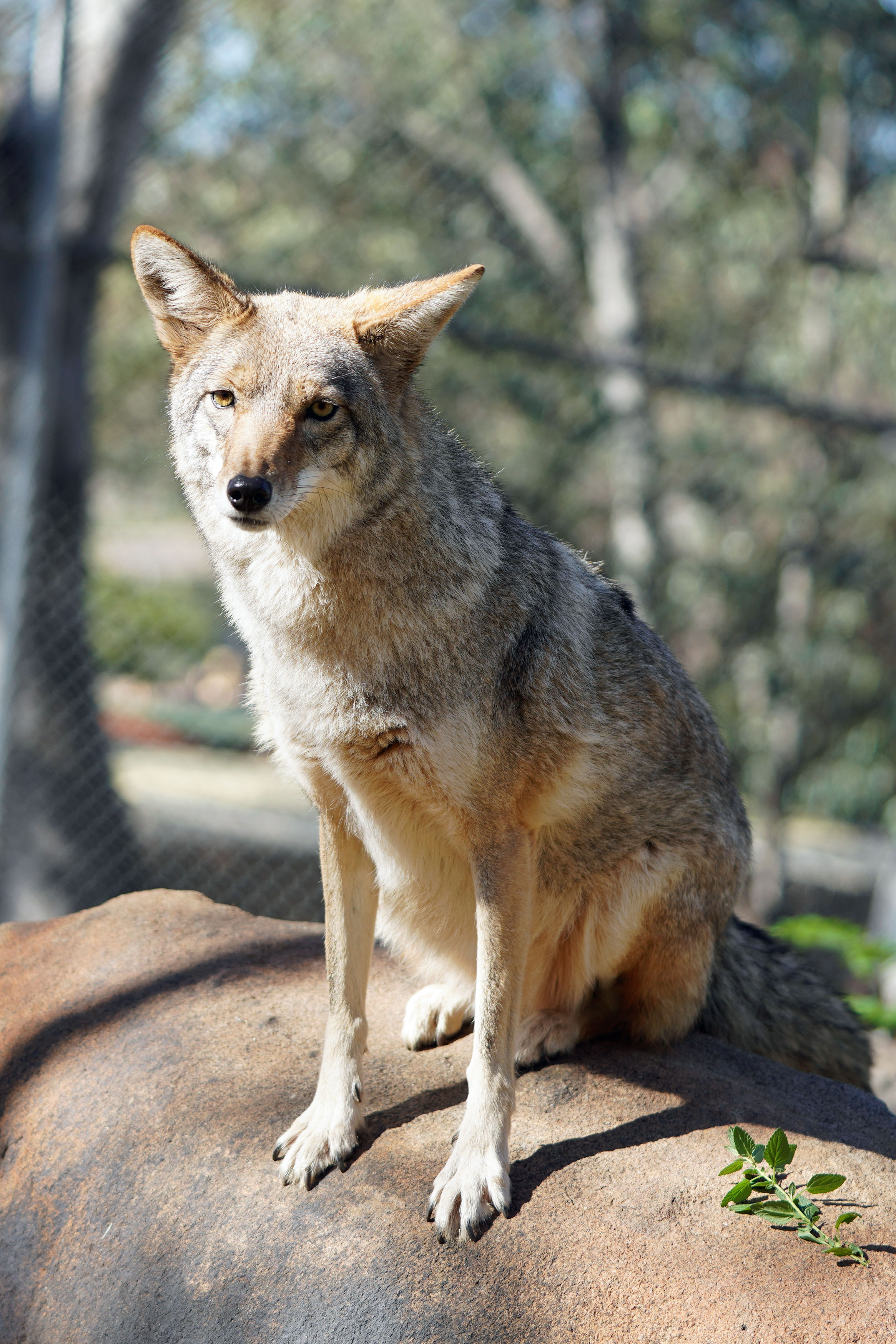 Coyotes are part of the region’s native wildlife and are often spotted locally. (San Diego Humane Society)
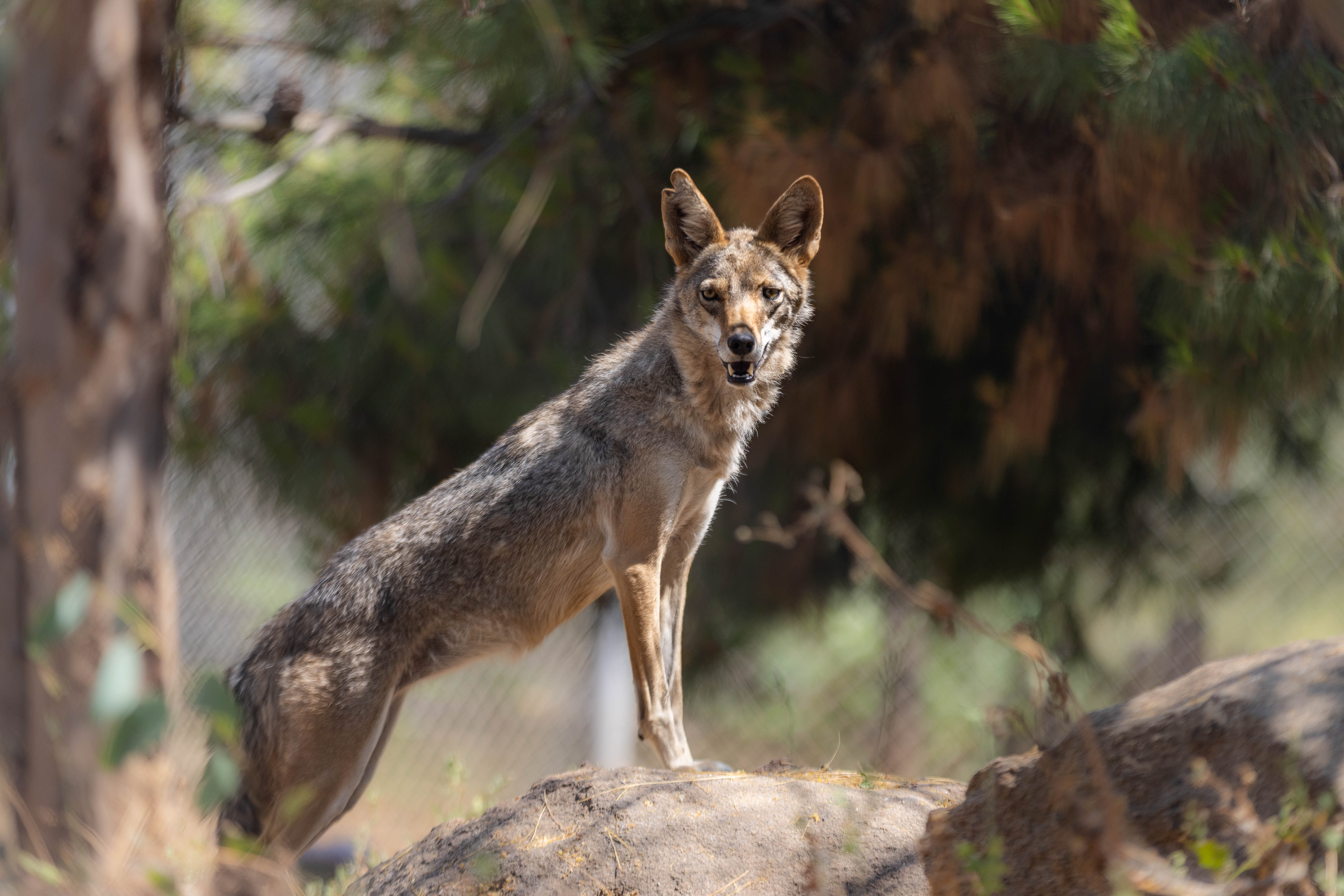 A coyote stands in an open space in the San Diego region. (San Diego Humane Society)
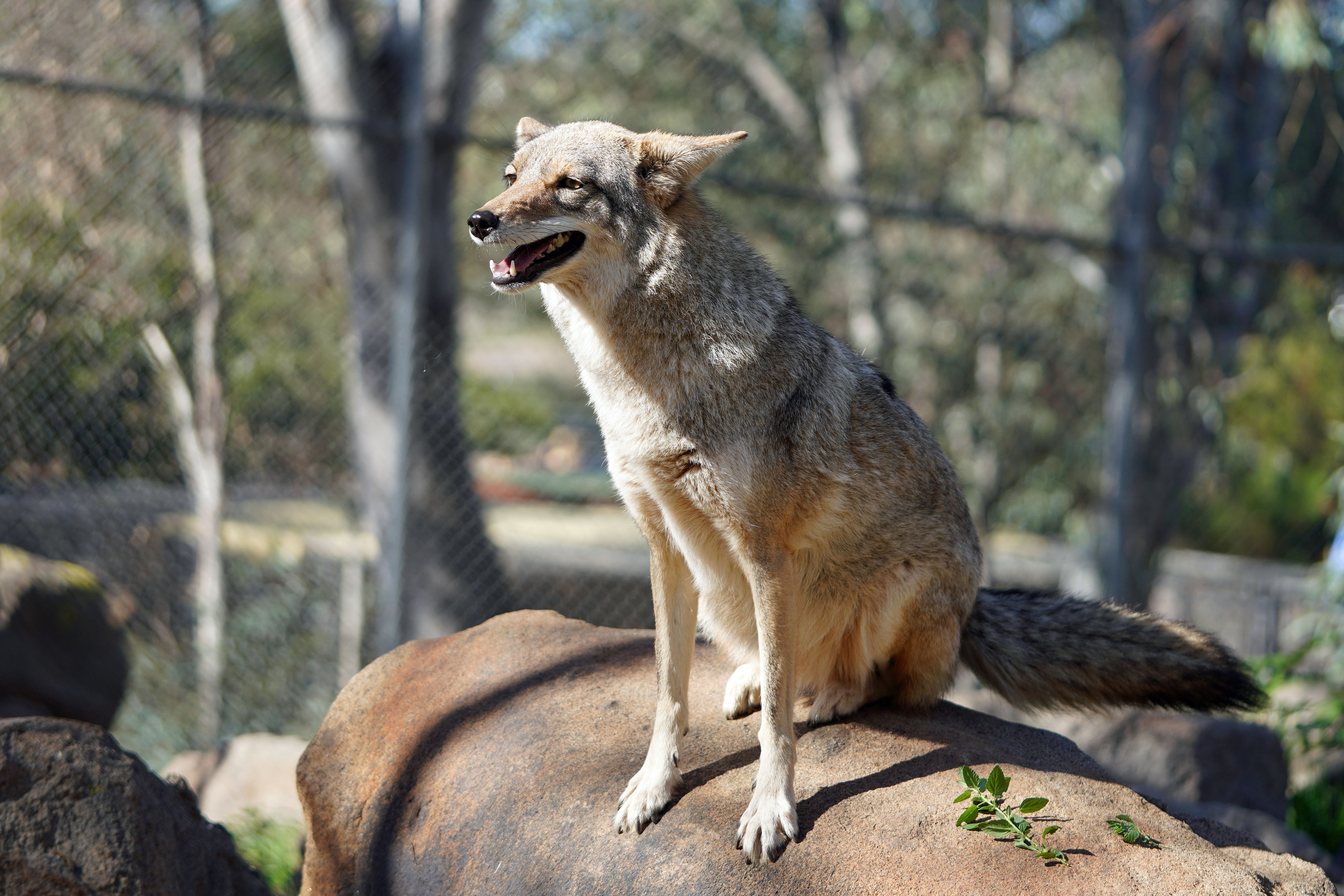 Coyotes live throughout the San Diego region, including urban areas. (San Diego Humane Society)