
In recent years, and now more so than ever, the arts face additional adversity beyond the typical “arts are unimportant” bully.
Severe defunding from the current presidential administration has threatened communities such as nonprofit arts organizations, museums and publishing houses, along with theater, music ensembles, after school arts programs, workshops and libraries.
For the 2026 Trump administration budget, this means a proposed elimination of the National Endowment of the Arts (NEA) that directs significant funding and grantmaking to these organizations, having already enforced mass grant cancellations and staff reductions. For you, this means fewer, more expensive and less diverse experiences.
Mary Platt, director of the Hilbert Museum of California Art since 2017, gave insight on this problem that’s affecting nationwide arts institutions and organizations.
“You need to have an appreciation for the arts. They tell us something about ourselves that no other thing can do,” said Platt. “I think it reaches down into the soul of humanity, which nothing else really does.”
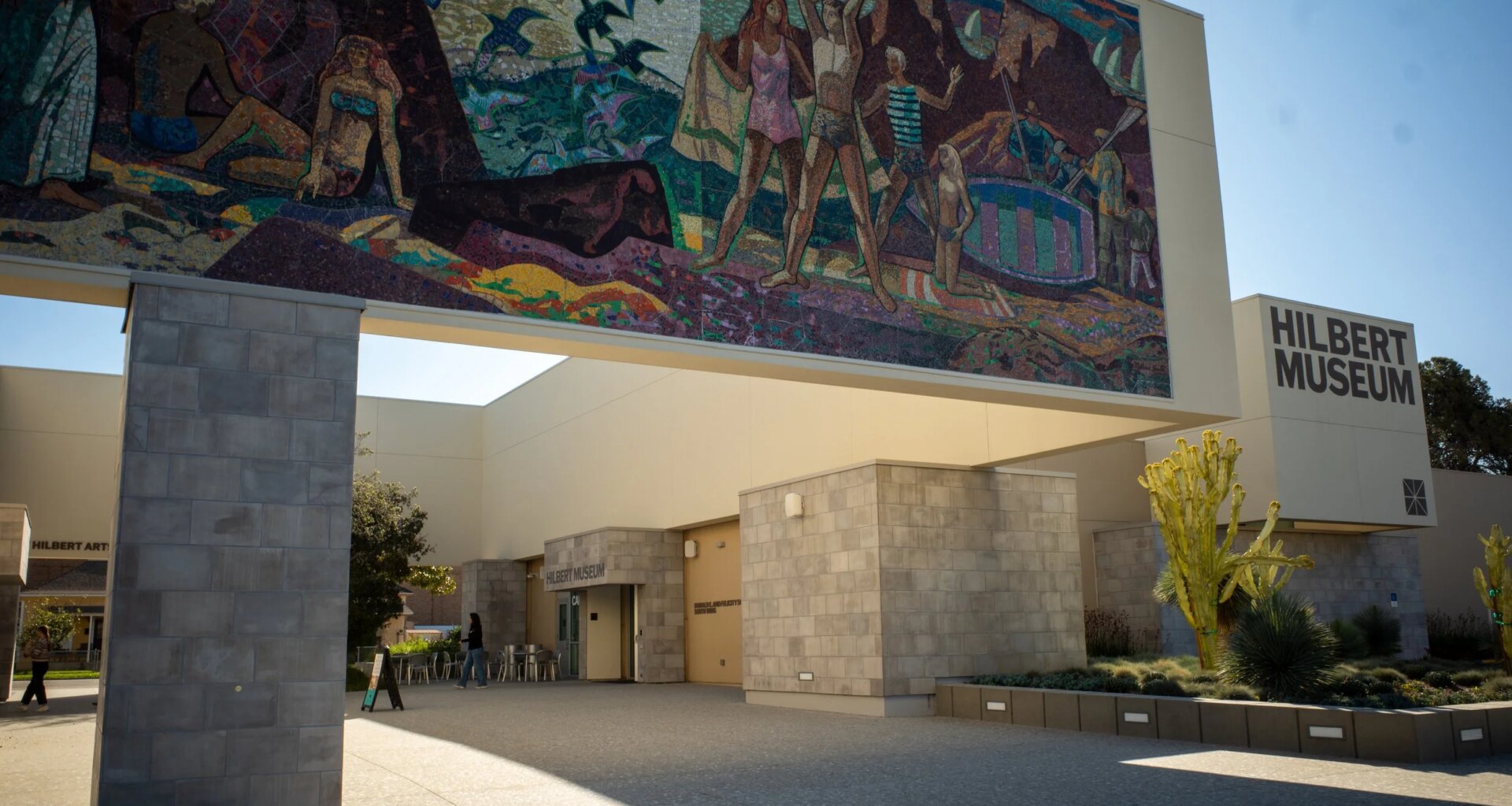
For the Hilbert Museum at Chapman, community is at the forefront. Opening in 2016, the museum houses the largest collection of California’s native art — from Hollywood studio artists and Disney animators, to late 19th century and contemporary sculpture and painting.
In 2014, the museum received initial funding from the museum’s founders, Janet and Mark Hilbert. This was a generous gift valued at about $7 million. The couple additionally donated $3 million to create the Hilbert so that collections could be displayed to the public.
When Mark Hilbert first pitched the museum to the president of Chapman at the time, Jim Doti, Platt said Hilbert emphasized that every great university needs an art museum.
“We try to remain very much enmeshed with the university and its academic mission,” said Platt.
With workshops and course partnership at Chapman, Platt emphasized the importance of being surrounded by art. The museum has hosted a variety of events, including Chapman classes, poetry workshops and even live music ensembles.
“We’ve got the beautiful Escalette Collection, which includes all the outdoor sculptures,” said Platt. “As you’re going to class, you might not notice them every day, but you’re soaking it in. I think, in a way, it’s almost subconscious that you’re soaking in the fact that you’ve got beautiful pieces of art around you.”
The Hilbert receives support from the founding $3 million donation, from Chapman and from other patrons such as the Sodaro family with a $1 million gift, along with NEA grants. The Escalette, a “museum without walls,” thrives from receiving NEA funding as well, amounting to $35,000.
With the rise of defunding and the proposal of shutting down a crucial driving force behind the arts, it is only possible for the next few years to bring significant change to these beloved facilities at Chapman.
With the rise of AI technologies, this discourse poses another threat to preserving the past and contemporary art. However, to Platt, it’s about finding a balance between the digital art that is being created and having an appreciation for our current art exhibitions. Perhaps one day, even blending the two.
“I think we’re going to see something like that, where artists like this may actually increase the value of art that’s made by human hands,” says Platt. “Because people will, I think, want to not have AI slop, and we’ll want to have things made by humans.”
It’s possible that the rise of AI art will trigger a craftsman movement, as Platt adds, but only time will tell.
“Even in times of political upheaval and unrest, as much as you try to keep the arts down, they will come after you,” said Platt. “There’s always something that is going to say something, and it’s going to become a trend because you can’t keep that part of humanity down.”
No matter the looming threats, bullies or entities that have and will continue to attempt limiting voices and stories, the arts will persist.
What can we do? Keep visiting museums and take time to find creativity within yourself. The Hilbert Museum, just a minute or two away from campus, is a great place to start.
“The arts always will speak truth to power,” said Platt. “It’s going to be interesting to see what becomes of all this.”