
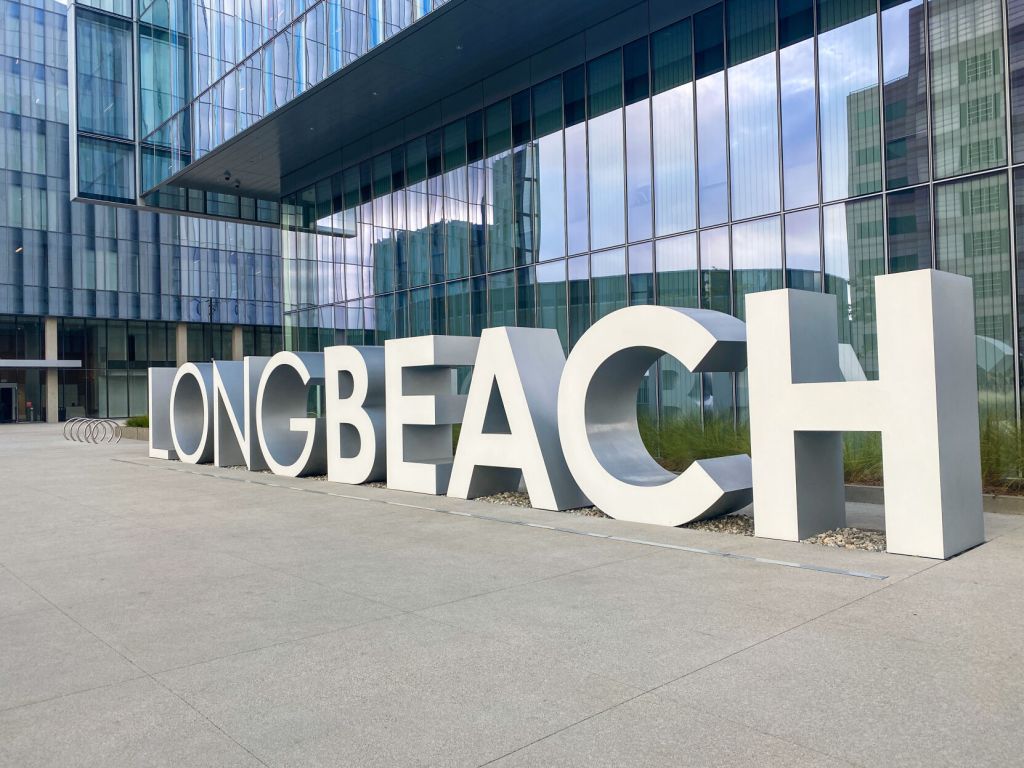
Long Beach has made progress in creating a local ordinance to allow people to prepare and sell meals directly from their home kitchens — known as microenterprise home kitchen operations.
The city has been working on this ordinance and studying the feasibility of these home businesses for the past two years. Last week, the city council discussed the draft ordinance, with input from residents, and made suggestions for changes to eliminate any barriers facing people who want to start home-based businesses.
The panel will once again review the draft ordinance next month and potentially adopt it.
Microenterprise home kitchen operations would benefit the Long Beach community, city officials said, because they would provide a low-cost option to test food and customers, encourage entrepreneurship, allow businesses to donate food to nonprofits, and can serve as a commissary for up to two food carts.
“Ensuring a pathway to being fully permitted for home kitchen operations is very important for health and safety,” Councilmember Mary Zendejas said during last week’s meeting. “The city has a duty to ensure this, and also the community deserves a strong, safe and well-implemented ordinance.”
In 2018, state Assembly Bill 626 amended the California Health and Safety Code to include microenterprise home kitchen operations within the definition of a food facility. The law provides a legal framework for small-scale, home-based food businesses, offering a pathway for aspiring entrepreneurs to enter the food industry with lower startup costs, according to the city’s website.
Under AB 626, a MEHKO is considered a small retail food facility, and it must comply with specific health and safety requirements, such as food handler certifications, local permitting and sanitation standards. The law also limits the scope of operations, including annual gross sales and the number of meals prepared.
In June 2024, the City Council approved the Health and Human Services Department’s recommendation to accept a California Conference of Directors of Environmental Health grant and conduct a feasibility study for MEHKO from June 30, 2024, to May 31, 2025.
The city took community input on allowing MEHKOs in the city and community members were able to complete an online survey to share their input, considerations and concerns. The survey revealed that close to 74% of respondents indicated they would support MEHKO, and believe it would benefit the local community and contribute to economic growth, according to the staff presentation.
In June, the health department presented the City Council with the results of the feasibility study and recommended that the city attorney draft a MEHKO ordinance, according to the staff report. In December, the Planning Commission recommended that the council approve a zoning code amendment and local coastal program amendment to allow MEHKOs and to support the proposed changes to the municipal code.
The draft ordinance was brought to the council during its March 10 meeting.
Some key elements of the proposed ordinance include aligning with California Health and Safety Code requirements, requiring inspections for compliance with specific food safety and sanitation requirements, making businesses obtain a health permit issued by the Long Beach Environmental Health Bureau, and then having a business license issued by the Business Services Bureau.
An amendment to the municipal code is also necessary to allow for city public health and business license requirements, and also to provide operating conditions, health and safety inspection requirements, and enforcement procedures, said Judeth Luong, manager of the Environmental Health Bureau.
MEHKO limitations and restrictions, according to the staff report, include one business per residence; food must be prepared, cooked and served on the same day only; businesses can make a maximum of 30 meals per day or 90 meals per week, and make at most $100,000 in gross annual sales; food delivery may only be conducted by the operator, employee, family or household members; and food may only be sold directly to consumers, among others.
To ensure the ongoing safety and compliance of a MEHKO, operators will be required to complete an application with an initial inspection. The process will begin with an initial pre-permit inspection, which will be conducted to confirm that the kitchen meets all required health and safety standards before the operator receives a permit, Luong said. Once permitted, MEHKOs will be subject to routine annual inspections.
While residents supported the ordinance, many asked the City Council to reconsider the proposed requirement for people trying to start a MEHKO needing to notify or get approval from their landlord or homeowners’ association. During public comment, many said that this would create an unnecessary barrier for potential operators.
“MEHKO can help create real pathways for entrepreneurs, especially immigrants, women and low-income residents, to safely and legally start a business from their home kitchens,” Jesica Coronado, economic justice coordinator at Órale, said during public comment. “These small businesses strengthen our local community and economy, expand access to culturally relevant food, and bring culture and community to our neighborhoods. Passing MEHKO without the landlord or HOA authorization requirement will help ensure that this is an opportunity that’s truly accessible to the residents who really need it.”
City staffers said this requirement was included because it aligned with the regulatory requirements of the California Health and Safety Code to enforce state housing laws, such as being required to notify owners via writing or providing notices about what is happening on private property. The city would also be required to enforce violations and complaints against the property owners, said Angel Arrendondo, code enforcement bureau manager.
Other counties in California that have MEHKO programs – such as Santa Clara, San Diego and Riverside – also require a letter of agreement from landlords or HOAs. Although it is not written in the ordinance, it is still a requirement before a health permit can be issued, Luong said.
The council unanimously agreed to continue the discussion on the proposed ordinance, so that city staffers could look into other ways of requesting a landlord or HOA approval on the permit program element — and without putting the operator’s housing at risk.
“Frankly, not everybody has the same kind of relationship with their landlord, and so many people in our community are having a hard time remaining housed,” said Councilmember Tunua Thrash-Ntuk, “and a MEHKO license could be something that helps them remain housed, because they have the resources in order to cover their rent accordingly.
“Not everybody is as fluid or comfortable with engaging their landlord. I’d like to see us identify a way, if at all possible, for a landlord to be noticed, potentially by the city,” Thrash-Ntuk added, “and then be able to opt out or opt in, as opposed to having the tenant necessarily be the only person who is interacting with the landlord.”
Thrash-Ntuk also suggested the city look into how it characterizes other home-based businesses within the city and whether a landlord has to be notified for businesses such as professional services, clothing businesses or a childcare facility at a home. Zendejas also suggested exploring an incentive program for landlords who support MEHKOs.
City staffers will return to the council with a revised proposed ordinance at its April 14 meeting to discuss options for landlord authorization in the permit program elements.