
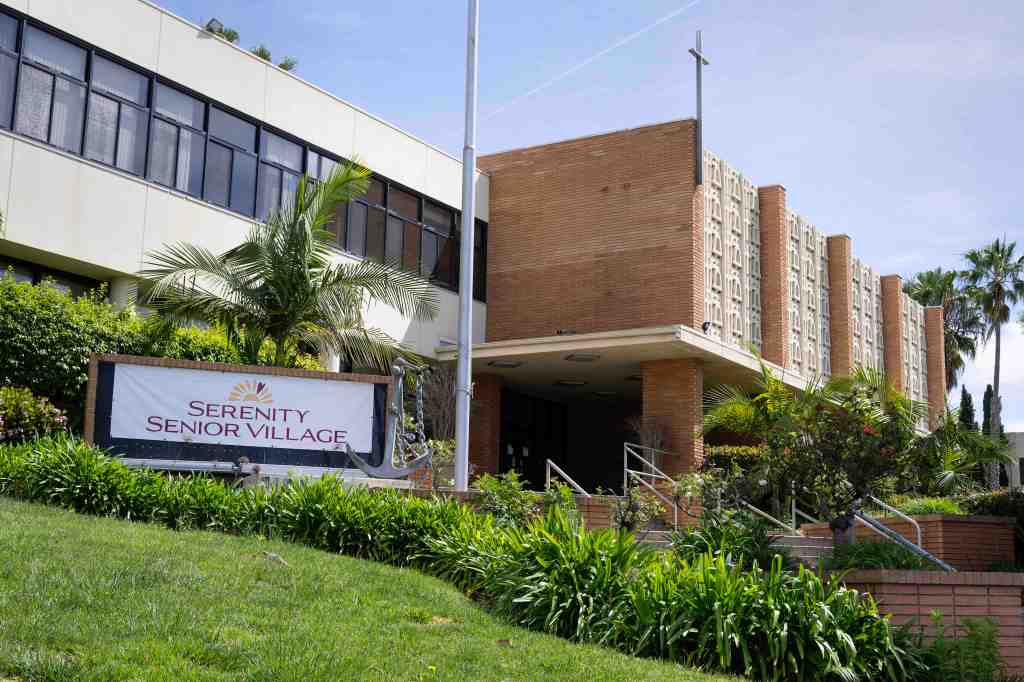
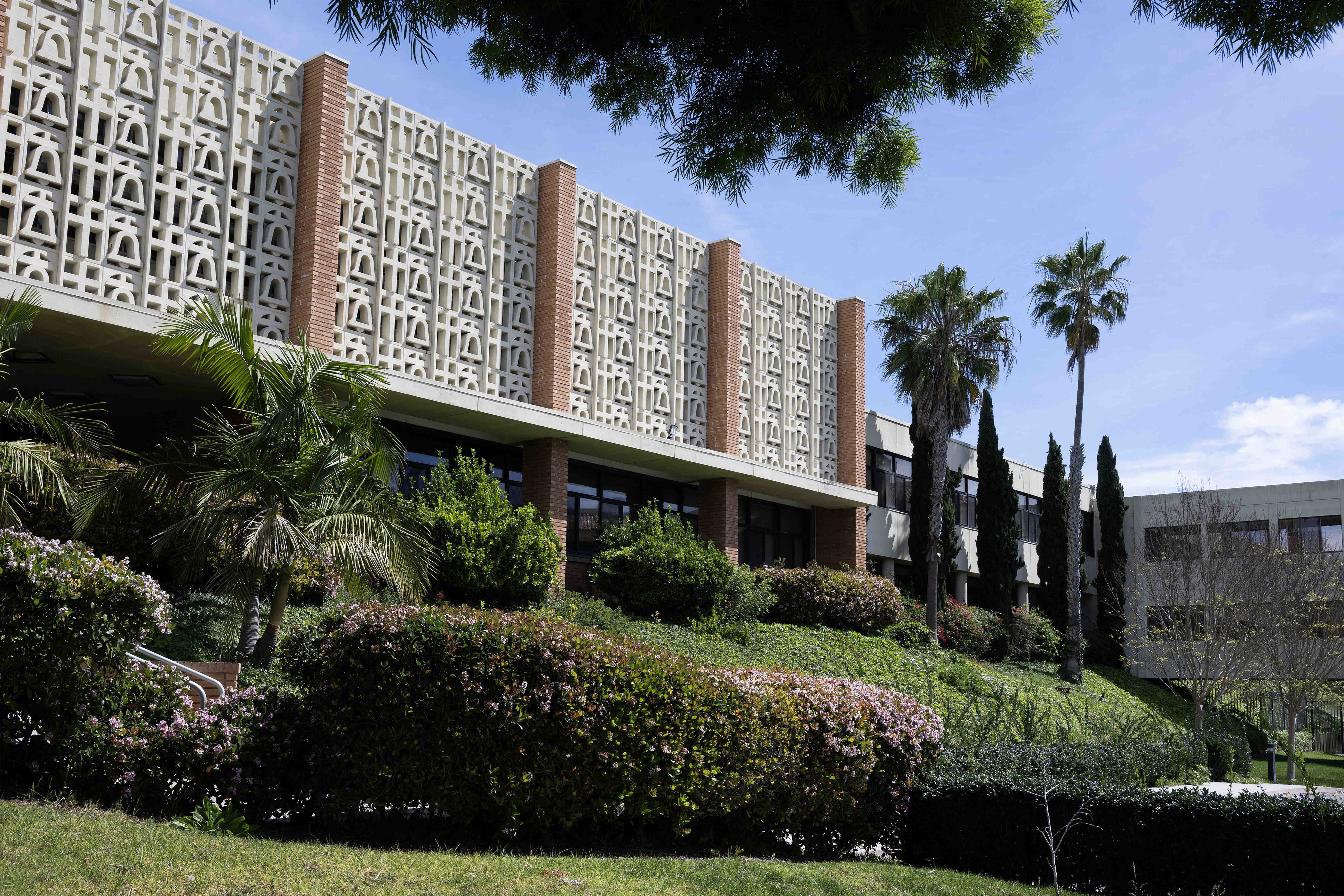
The Serenity Senior Village in San Pedro on Friday, March 13, 2026. (Photo by Drew A. Kelley, Press-Telegram/SCNG)
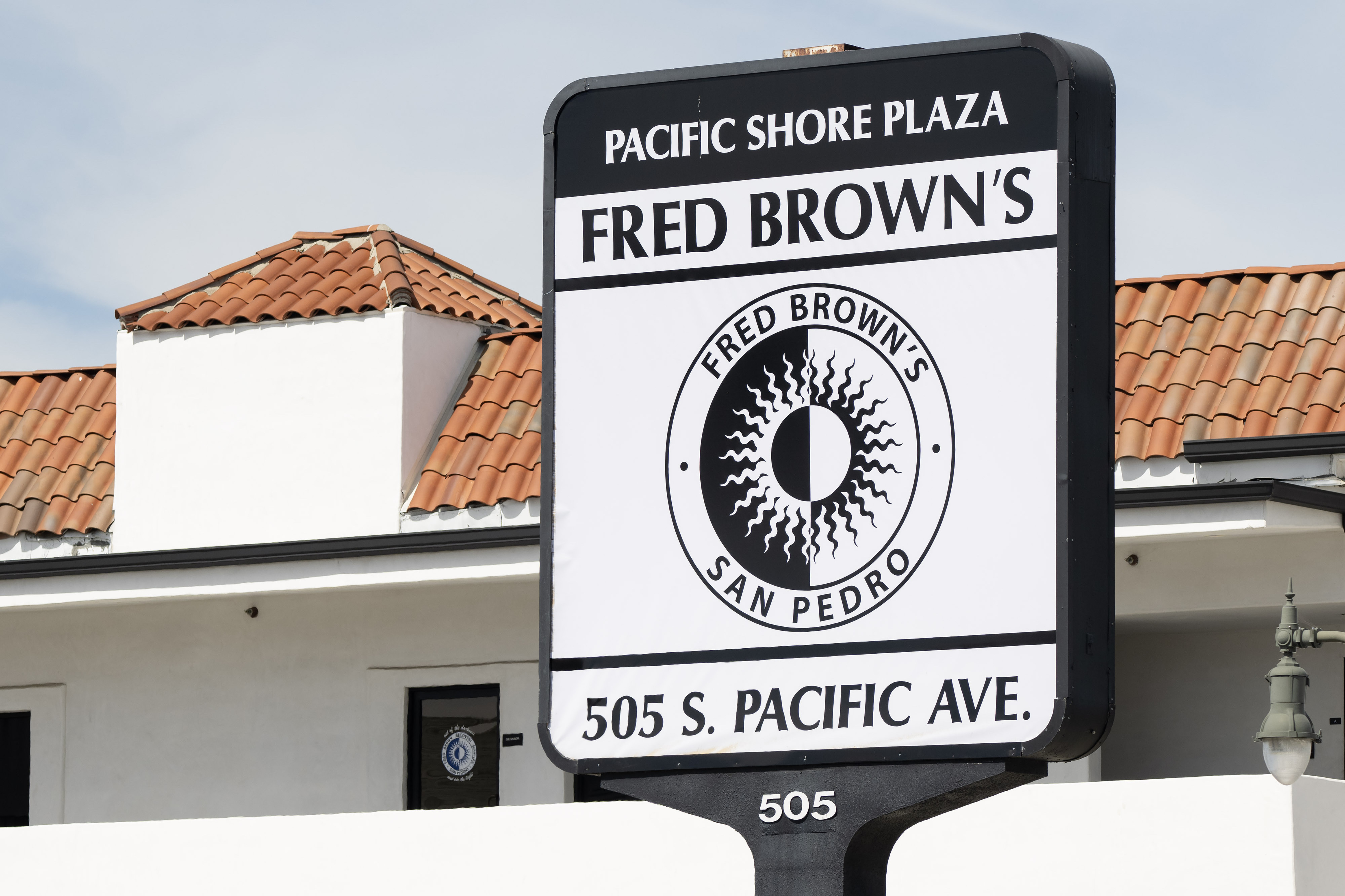
Fred Brown’s Recovery Services in San Pedro on Friday, March 13, 2026. (Photo by Drew A. Kelley, Press-Telegram/SCNG)
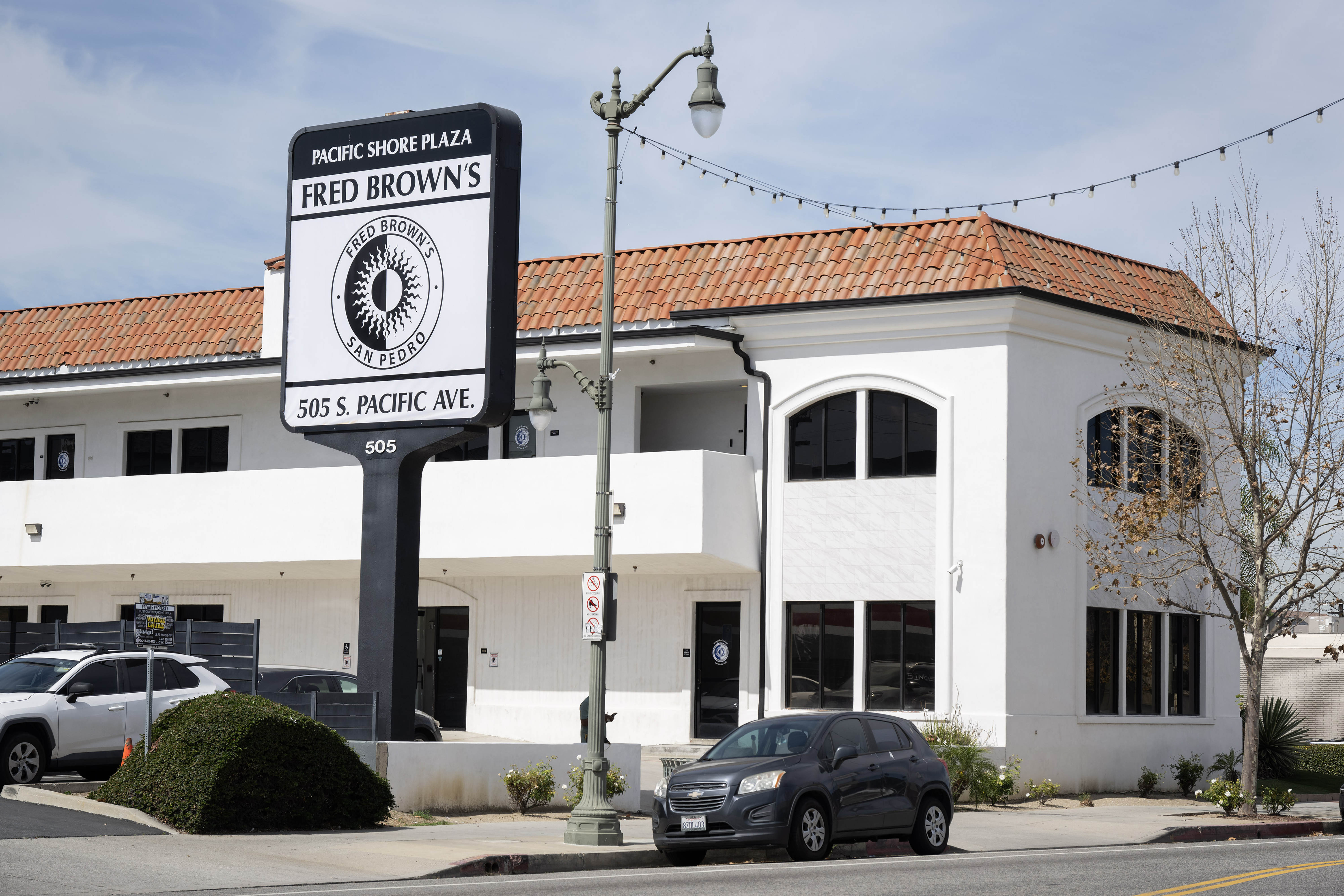
Fred Brown’s Recovery Services in San Pedro on Friday, March 13, 2026. (Photo by Drew A. Kelley, Press-Telegram/SCNG)
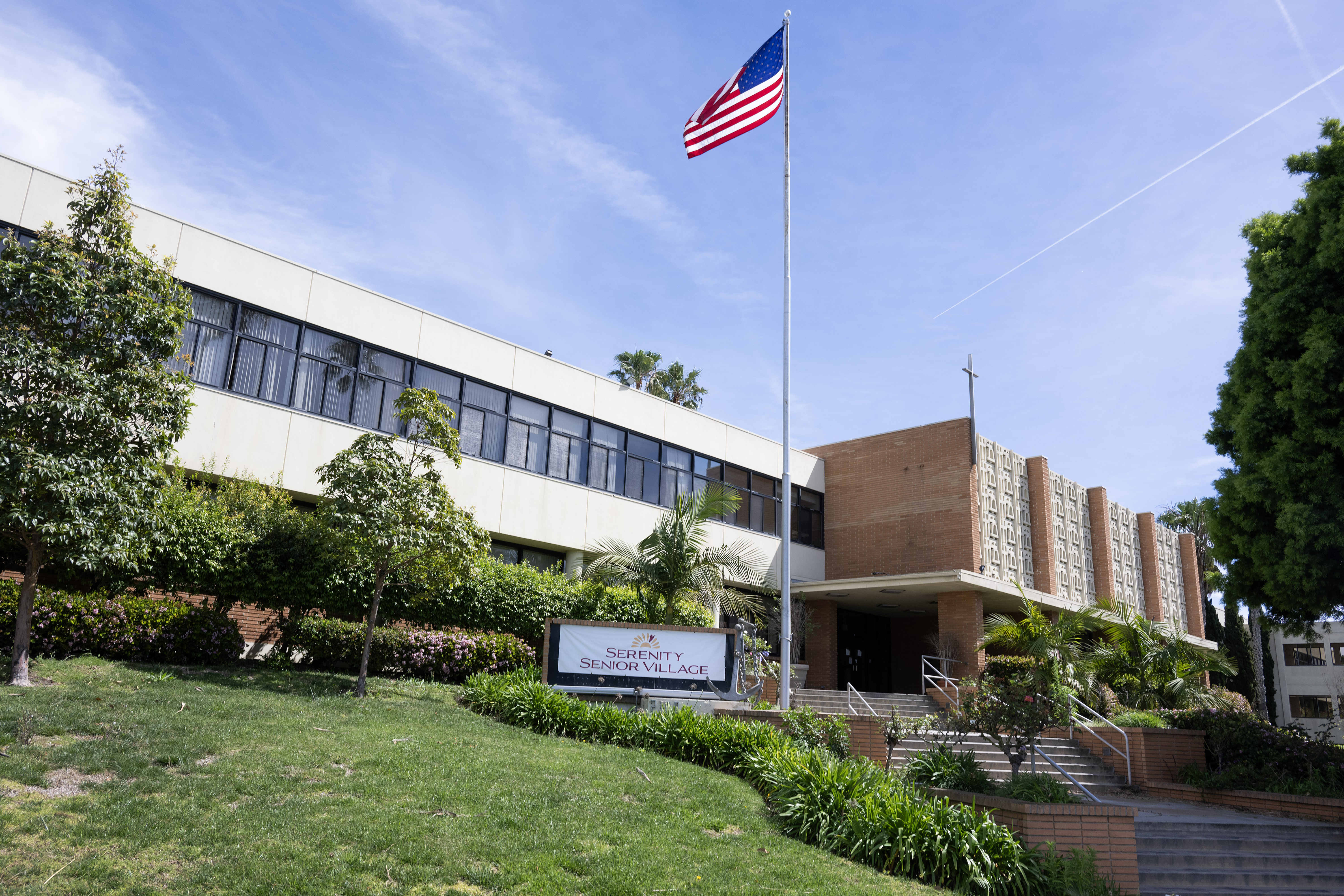
The Serenity Senior Village in San Pedro on Friday, March 13, 2026. (Photo by Drew A. Kelley, Press-Telegram/SCNG)
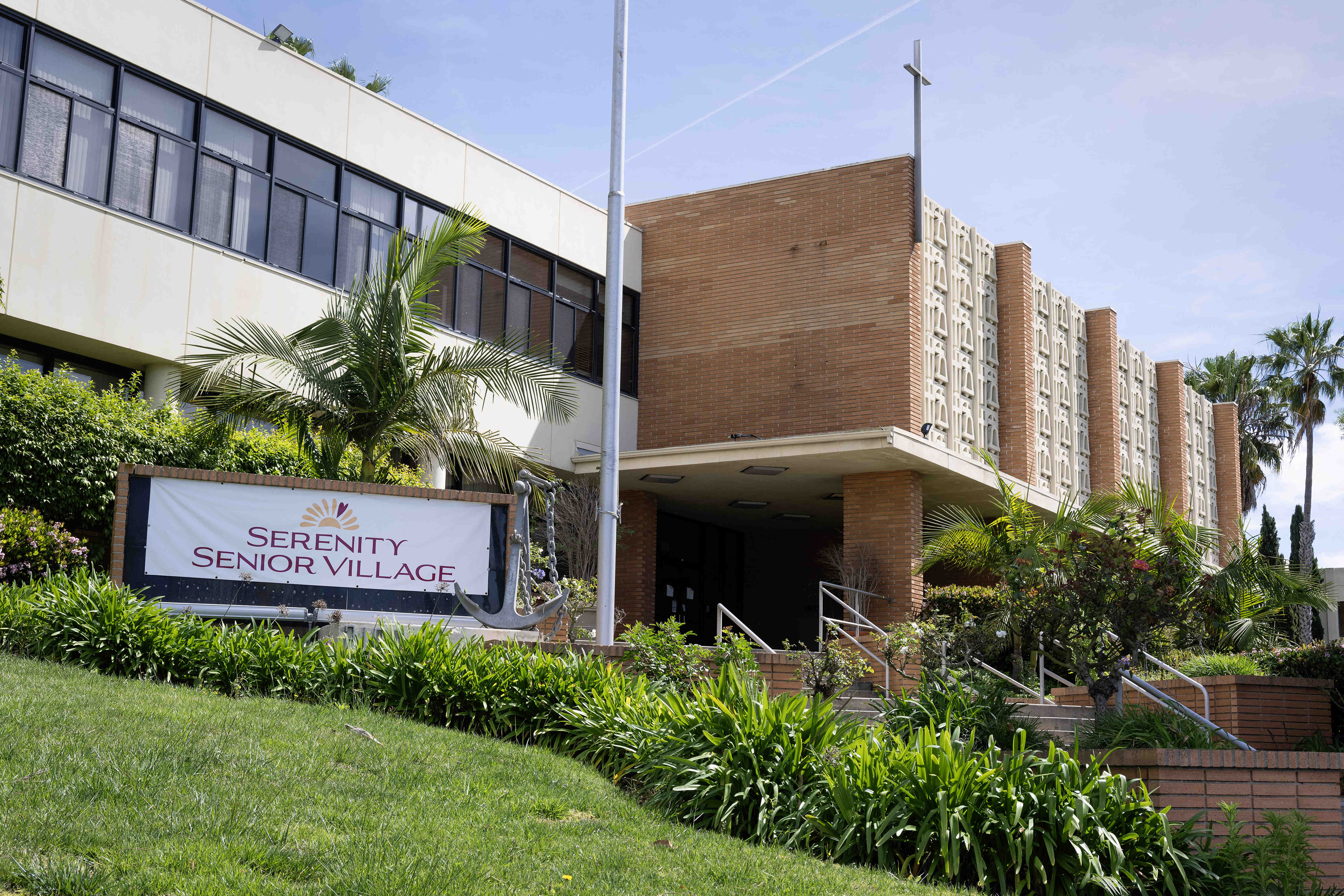
The Serenity Senior Village in San Pedro on Friday, March 13, 2026. (Photo by Drew A. Kelley, Press-Telegram/SCNG)
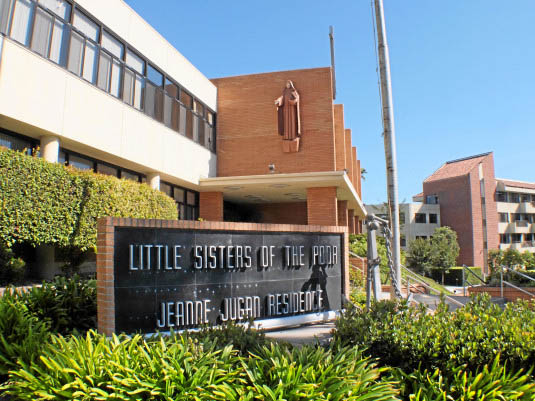
Little Sisters of the Poor facility in San Pedro. Photo by Brad Graverson/The Daily Breeze Sept. 24, 2013
Show Caption
1 of 6
The Serenity Senior Village in San Pedro on Friday, March 13, 2026. (Photo by Drew A. Kelley, Press-Telegram/SCNG)
Plans to buy and convert a former church-affiliated home for the elderly into a drug and alcohol recovery facility in San Pedro are drawing opposition from the surrounding neighborhoods.
Fred Brown Recovery Services, a nonprofit that already operates some 30 recovery homes in San Pedro, is proposing a change that would rebrand the nearly six-acre campus, 2100 S. Western Ave. — formerly the Little Sisters of the Poor, connected to members of the order serving at Mary Star of the Sea Church in San Pedro — as the Serenity Recovery Campus. The recovery group is seeking $100 million from the state to purchase and repurpose the property.
But specific information about the plans have been difficult to ascertain, including who currently owns the building.
Los Angeles City Councilmember Tim McOsker, who represents the 15th District, said he is opposed to the proposal to transfer the property. The nonprofit has not responded to his requests to meet to discuss the proposal.
“There’s been zero public outreach,” McOsker said in a Monday, March 16, phone interview.
Fred Brown Recovery Services did not respond to written or telephone requests for comment made over the past few days.
But a printed two-page “Project Overview” from Fred Brown’s Recovery Services has circulated in the South Shores neighborhood, which surrounds the site just north of 25th Street.
Put out by Fred Brown, it states that the nonprofit has “42 years serving L.A. County” and that the project mission at Serenity Recovery Campus would be to “provide whole-person, accessible, culturally sensitive care and housing that supports recovery and reintegration for veterans, the justice-involved, the unhoused and those with co-occurring conditions.”
The overall vision, the flier says, is to “create a permanent resource of dignity, care and healing for south Los Angeles County’s most vulnerable — safeguarding a decades-long legacy while meeting today’s urgent behavioral health needs.”
McOsker said he has concerns about land-use issues, as well as controls over establishing such a facility near schools or daycare centers in the area. The population being housed by such facilities typically is transitional. Residents go through recovery programs and counseling, and then move out to more independence.
Among issues that could pose a problem for the change-of-use proposal is a daycare center that operates just down the block from a neighborhood church.
Along with the lack of transparency, McOsker said, a recovery wing that was temporarily operating on the property late last year led to neighborhood problems.
Seventy residents in that category, he said, moved in late last year. They have since been moved out — though it’s unclear if they were connected to Fred Brown or another group — as the use wasn’t approved, McOsker said. But the changes did create problems in the community, he added.
“There were more calls for services (such as fire and police),” he said, adding that there were “dangerous situations with episodes in and around the property and in the neighborhood, (with residents) walking in the street and into shopping areas.”
McOsker also said he is concerned about what would happen to another 70 people who are being housed in the facility under the existing mission of caring for those in need of convalescent and memory care services. A couple of the Catholic nuns who once ran the facility also still live inside the property grounds.
“Are we throwing them (those other existing 70 residents) to the side?,” McOsker said.
The facility had a long history and widespread respect in the port town, which has long had a strong Catholic community. Many had put their names on the home’s waiting list to someday stay there when the surprise announcement came on Feb. 18, 2020, that it would close. Looking to pare down some of the Little Sisters’ 167 homes around the world, the Roman Catholic religious order of nuns announced it would withdraw from San Pedro once a buyer was found.
The Los Angeles home, which goes back 116 years and originally was in Boyle Heights, moved to San Pedro in 1979, taking over the old home of Fermin Lasuen, a Catholic high school for boys that closed in 1971. The facility was home to about 100 residents. Seven sisters remained on staff and were reassigned to other facilities upon a new owner being found.
The one stipulation was that it continue to be a facility that would serve the elderly poor.
That owner, selected in 2021, was Grace S. Mercado, who operated three skilled nursing facilities in the state and described herself as a devout Catholic. It is unclear if she still owns the facility.
The property included a 150,000 square-foot main building and a smaller retreat house, with a garden area among the property’s outdoor features. A sign out front now reads “Serenity Senior Village.”
McOsker said he’s not opposed to the mission of recovery facilities, but questions whether Fred Brown would be equipped to run a center this large when most of their programs are conducted out of homes for a handful of folks spread out in neighborhoods.
Los Angeles County Supervisor Janice Hahn, meanwhile, said in a statement sent by her staff that she was “not against this project,” noting she lives nearby.
“We need more places where someone who is suffering from addiction can get the help they need,” the statement said. “I hear constantly from parents, many of whom are in my neighborhood, who have a son or daughter who need treatment and they call my office asking for help finding a facility that has space for them – and we often can’t find one.
“Just last week, I honored Catalina Hinojosa as my Woman of the Year,” Hahn added. “She was once incarcerated and suffered from addiction but got the help she needed at a Fred Brown facility in San Pedro and now, she is the founder and CEO of the San Pedro Recovery Alliance, helping people on our streets recover from addiction.”
The Fred Brown flier that has circulated says the property is 5.2 acres with 150,000 square feet and five distinct buildings. Features, the flier adds, includes a “private gated campus with secure, tree-lined permitter; sweeping ocean views, tranquil walking paths, freestanding chapel and serene mediation gardens, built for skilled nursing and residential care.”
The South Shores Community Association is still weighing the issue, said association Secretary Jerry Gaines.
“We’re doing our due diligence,” he said, “and trying not to make a rush to judgement.”
Hahn also said in her statement that she understands the need to be thoughtful about the project.
“I understand that any facility like this needs to be thoughtfully reviewed, but I believe Fred Brown’s track record speaks for itself and it gives me confidence the people who come to this facility would get the help they need,” Hahn said. “We need to recognize that these people are either going to be suffering on our streets, or they can be well taken care of by an organization like Fred Brown.”
But the information provided to the community so far remains spotty, said Doug Epperhart, president of the Coastal San Pedro Neighborhood Council, which has put the item on the agenda for preliminary discussions, though no one from Fred Brown has spoken or appeared to answer questions.
The project’s scale and prospective clientele, Epperhart said, has led to most of the questions.
“Right now,” Epperhart said in a phone interview, “we have about a million questions and no answers.”